Choosing the best veterinary medical equipment in 2026 requires more than comparing prices, features, or attractive specifications. A dependable ultrasound system, anesthesia machine, dental unit, or patient monitor must support safe clinical decisions every day. In practice, technicians notice weaknesses quickly: unclear alarms, fragile cables, difficult cleaning surfaces, or inaccurate readings can disrupt treatment. That distinction matters.
A central question guides this review: what standards apply to veterinary medical equipment? The answer depends on the equipment’s intended use, electrical design, software, materials, and market location. Relevant frameworks may include ISO quality and risk-management principles, IEC electrical safety standards, sterilization requirements, electromagnetic compatibility guidance, and national medical-device rules. Veterinary products may not follow identical pathways to human devices, so assumptions can create serious gaps. Not every device.
Reliable evaluation also requires evidence from manufacturers, qualified service engineers, veterinarians, and experienced practice managers. Look for traceable calibration records, transparent instructions, cleaning compatibility, maintenance support, cybersecurity controls, and clearly defined performance limits. A device that performs well during a demonstration may behave differently in a busy clinic with wet surfaces, clipped fur, dust, and repeated disinfection. Real-world testing matters.
This guide examines practical standards, documentation, safety features, and purchasing questions for 2026. It also recognizes an uncomfortable point: compliance paperwork does not guarantee excellent clinical performance. A checklist alone is not enough. Teams should review local requirements, document staff training, and reassess equipment after installation. Standards evolve, and even careful buyers can overlook small operational risks. Good judgment remains essential.
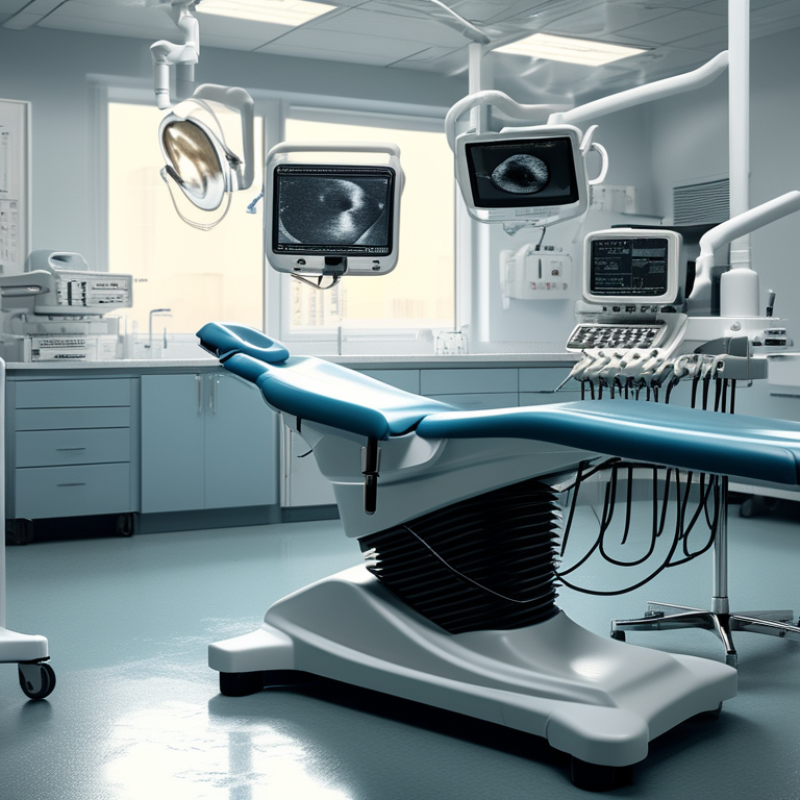
In 2026, veterinary equipment should be classified by risk, clinical use, and intended species. A dental scaler for dogs does not face the same concerns as an anesthesia system for horses. Start with the harm that could occur after failure. Low-risk examination tools may need basic safety, cleaning, and material controls. Monitoring, infusion, surgical, and life-support equipment require stronger verification, maintenance, and user training.
Intended species also changes the design expectations. A feline oxygen chamber needs different dimensions and airflow control than a bovine restraint system. Consider body size, behavior, anatomy, exposure time, and operating environment. Applicable frameworks may include ISO 13485 for quality management, ISO 14971 for risk management, and IEC 60601 for relevant electrical equipment. These standards may not apply identically in every market. Local veterinary authorities and facility requirements still matter. A tidy compliance checklist can miss real clinical risks.
Tips: Record the species, purpose, contact materials, cleaning method, and failure response for every device. Test alarms with staff before patient use. Keep service records near the equipment. Review them after incidents, even minor ones. Some categories remain unclear, especially mixed-use devices. That uncertainty deserves documented expert review, not a convenient assumption.
2026 Scope: Classify Veterinary Equipment by Risk, Use, and Intended Species
| Equipment Category | Typical Veterinary Use | Intended Species | Primary Risk Level* | Key Safety and Performance Considerations | Relevant Standards or Regulatory References | Typical Verification Evidence |
|---|---|---|---|---|---|---|
| Non-invasive examination tables | Physical examination, restraint, weighing, minor procedures, and routine consultation. | Dogs Cats Small mammals Birds | Low | Load capacity, stability, rounded edges, cleanability, slip resistance, restraint-point strength, and prevention of animal or staff entrapment. | ISO 12100 for machinery risk assessment where applicable; ISO 14971 principles may be used for medical-device risk management; applicable local workplace and electrical safety requirements. | Static-load testing, stability testing, surface-cleaning validation, restraint-point testing, and inspection records. |
| Veterinary scales and weighing systems | Body-weight measurement, medication-dose calculation, fluid-balance monitoring, and neonatal monitoring. | All common species Neonates Large animals | Low to Medium | Accuracy across the stated range, resolution, tare function, overload protection, platform stability, and calibration traceability. | OIML R 76 principles may apply to non-automatic weighing instruments; IEC 61010-1 may apply to laboratory or measurement equipment; local metrology rules depend on the intended use. | Calibration certificates, repeatability and linearity tests, overload tests, environmental testing, and documented measurement uncertainty. |
| Diagnostic ultrasound systems | Abdominal, cardiac, reproductive, musculoskeletal, and emergency imaging. | Dogs Cats Horses Livestock | Medium | Acoustic output, thermal and mechanical indices, electrical safety, probe integrity, image accuracy, software controls, and cleaning compatibility. | IEC 60601-1; IEC 60601-1-2; IEC 60601-2-37 for ultrasonic medical diagnostic and monitoring equipment; ISO 14971; IEC 62366-1. | Electrical safety testing, electromagnetic compatibility testing, acoustic-output verification, image-performance testing, software validation, and usability evaluation. |
| Digital radiography systems | Thoracic, skeletal, dental, abdominal, and orthopedic radiographic imaging. | Dogs Cats Horses Livestock | High | Ionizing-radiation protection, exposure control, image quality, detector integrity, positioning safety, and compliance with facility shielding requirements. | IEC 60601-1; IEC 60601-1-2; IEC 60601-2-54 for radiographic and radioscopic equipment; IEC 60601-1-3 for radiation protection; national radiation-protection rules. | Radiation leakage and dose testing, image-quality tests, exposure reproducibility, detector calibration, shielding assessment, and maintenance records. |
| Computed tomography systems | Advanced imaging of the head, spine, thorax, abdomen, and complex orthopedic conditions. | Dogs Cats Horses | High | Radiation dose, image reconstruction accuracy, patient positioning, anesthesia compatibility, emergency access, and controlled-area safety. | IEC 60601-1; IEC 60601-1-2; IEC 60601-2-44 for computed tomography equipment; IEC 60601-1-3; applicable national radiation regulations. | Dose-index verification, image-quality phantom testing, radiation-survey reports, emergency-stop testing, software validation, and preventive-maintenance records. |
| Magnetic resonance imaging systems | Neurologic, orthopedic, soft-tissue, joint, and spinal imaging without ionizing radiation. | Dogs Cats Horses | High | Static magnetic-field hazards, projectile control, implant screening, radio-frequency heating, acoustic noise, cryogen safety, and anesthesia monitoring in the controlled zone. | IEC 60601-1; IEC 60601-1-2; IEC 60601-2-33 for magnetic resonance equipment; ASTM F2503 for marking and labeling the safety status of items used in the MR environment. | Magnetic-field mapping, RF-heating assessment, acoustic-noise testing, emergency-quench procedures, MR-conditional equipment verification, and access-control audits. |
| Patient monitors | Monitoring of ECG, heart rate, respiratory rate, oxygen saturation, non-invasive blood pressure, and temperature. | Dogs Cats Horses Exotic animals | High | Alarm accuracy, sensor placement, electrical safety, signal quality, motion artifact management, battery performance, and suitability for different body sizes. | IEC 60601-1; IEC 60601-1-2; IEC 60601-2-27 for electrocardiographic monitoring; IEC 60601-2-30 for automated non-invasive blood-pressure monitoring; ISO 80601-2-61 for pulse oximeter equipment. | Parameter-accuracy testing, alarm verification, electrical safety testing, EMC testing, battery testing, and clinical or simulated-use validation. |
| Anesthesia machines and breathing systems | Delivery of inhalational anesthetics and controlled ventilation during surgery or diagnostic procedures. | Dogs Cats Horses Small mammals | High | Gas-flow accuracy, oxygen concentration, vaporizer performance, breathing-circuit integrity, pressure limitation, scavenging, and species-specific tidal-volume requirements. | ISO 80601-2-13 for anesthesia workstations; ISO 80601-2-12 for critical-care ventilators where applicable; ISO 5356-1 for breathing-system connectors; ISO 14971. | Gas-delivery accuracy, leak testing, pressure testing, alarm verification, oxygen-failure response, vaporizer calibration, and cleaning or reprocessing validation. |
| Ventilators | Mechanical ventilation for anesthetized, critically ill, or recovering patients. | Dogs Cats Horses Small mammals | High | Tidal-volume accuracy, airway pressure, respiratory-rate control, disconnection alarms, oxygen concentration, humidification, and low-volume performance. | ISO 80601-2-12 for critical-care ventilators; ISO 80601-2-13 for anesthesia workstations where integrated; IEC 60601-1; IEC 60601-1-2. | Flow and pressure calibration, volume-accuracy testing, alarm testing, battery testing, oxygen-concentration verification, and software validation. |
| Infusion and syringe pumps | Controlled administration of fluids, anesthetics, analgesics, nutrition, and high-alert medications. | All common species Neonates Critical-care patients | High | Flow-rate accuracy, occlusion detection, free-flow prevention, compatibility with administration sets, dose limits, alarm visibility, and battery operation. | IEC 60601-1; IEC 60601-1-2; IEC 60601-2-24 for infusion pumps and controllers; ISO 8536 series may apply to infusion equipment and accessories. | Flow-accuracy testing, occlusion-pressure testing, alarm verification, free-flow testing, battery testing, compatibility testing, and cleaning validation. |
| Electrosurgical units | Cutting, coagulation, vessel sealing, and tissue management during surgery. | Dogs Cats Horses Livestock | High | Output accuracy, unintended burns, patient return-electrode monitoring, accessory compatibility, electromagnetic interference, and fire-risk controls. | IEC 60601-1; IEC 60601-1-2; IEC 60601-2-2 for high-frequency surgical equipment and accessories; ISO 14971. | Output-power testing, waveform verification, alarm testing, leakage-current testing, accessory compatibility, EMC testing, and simulated-use evaluation. |
| Surgical instruments and reusable hand instruments | Incision, dissection, grasping, suturing, orthopedic manipulation, and tissue handling. | Dogs Cats Horses Livestock | Medium to High | Material compatibility, corrosion resistance, edge or jaw performance, mechanical strength, biocompatibility, cleanability, and sterilization compatibility. | ISO 7153-1 for materials used in surgical instruments; ISO 17664-1 for processing information for health-care products; ISO 10993 series where biological evaluation is applicable. | Dimensional and functional testing, corrosion testing, cleaning validation, sterilization compatibility, packaging validation, and inspection for wear or damage. |
| Dental units and ultrasonic scalers | Oral examination, scaling, polishing, dental treatment, irrigation, and suction. | Dogs Cats Horses Small mammals | Medium | Water quality, aerosol control, vibration, heat generation, dental-tip integrity, electrical safety, suction performance, and prevention of cross-contamination. | IEC 60601-1; IEC 60601-1-2; ISO 17664-1 for reusable accessories; ISO 14971; local water-quality and infection-control requirements. | Electrical safety tests, vibration and output testing, water-flow testing, suction testing, cleaning validation, and accessory inspection. |
| Laboratory analyzers | Hematology, clinical chemistry, blood-gas, electrolyte, urinalysis, and coagulation testing. | All common species Species-specific assays | Medium | Analytical accuracy, precision, calibration, reagent stability, sample-volume requirements, carryover, biohazard containment, and species-specific reference intervals. | IEC 61010-1 for laboratory equipment; IEC 61326-1 for measurement, control, and laboratory EMC requirements; ISO 15189 principles for laboratory quality management; ISO 14971 where applicable. | Method-comparison studies, precision and bias studies, calibration verification, carryover testing, quality-control records, and reagent-storage monitoring. |
| Cold-storage and specimen-refrigeration equipment | Storage of vaccines, medicines, blood products, reagents, and diagnostic specimens. | All species | Medium | Temperature uniformity, alarm response, power-failure protection, door-seal integrity, data logging, and separation of veterinary medicines from specimens. | IEC 61010-1 may apply to laboratory refrigeration equipment; WHO temperature-monitoring principles may be relevant; applicable pharmaceutical-storage and electrical-safety requirements vary by jurisdiction. | Temperature mapping, alarm testing, data-logger calibration, power-failure testing, door-open testing, and documented corrective actions. |
| Reprocessing, washer-disinfectors, and sterilization equipment | Cleaning, disinfection, packaging, and sterilization of reusable instruments and accessories. | All surgical species | High | Validated cleaning and sterilization cycles, load configuration, biological and chemical indicators, drying, operator protection, and traceability. | ISO 17664-1 for processing instructions; ISO 15883 series for washer-disinfectors; ISO 17665 for moist-heat sterilization; ISO 11135 for ethylene-oxide sterilization where used; ISO 11138 and ISO 11140 series for sterilization indicators. | Installation, operational, and performance qualification; cycle monitoring; biological-indicator records; cleaning validation; load documentation; and routine maintenance. |
| Implantable orthopedic devices | Fracture fixation, joint stabilization, spinal procedures, and corrective orthopedic surgery. | Dogs Cats Horses Other specified species | High | Mechanical strength, fatigue resistance, corrosion, implant geometry, fixation compatibility, biological response, sterilization, and species-appropriate loading. | ISO 10993 series for biological evaluation; ISO 14971; ASTM F382 for metallic bone plates where applicable; ASTM F543 for metallic bone screws where applicable; applicable national veterinary-device requirements. | Material certification, dimensional inspection, static and fatigue testing, corrosion evaluation, biocompatibility assessment, sterilization validation, and packaging integrity testing. |
| External orthopedic supports and braces | Postoperative support, fracture stabilization, joint protection, rehabilitation, and mobility assistance. | Dogs Cats Horses | Medium | Fit, pressure distribution, skin protection, structural strength, adjustability, range of motion, and compatibility with the animal’s gait and behavior. | ISO 14971 principles may be applied; ISO 10993 series may be relevant for prolonged skin contact; applicable requirements depend on whether the product is regulated as a medical device or an accessory. | Fit and usability testing, pressure-point assessment, material safety review, mechanical-strength testing, and simulated-use evaluation. |
| Veterinary rehabilitation equipment | Therapeutic exercise, controlled walking, hydrotherapy, recovery, and mobility training. | Dogs Cats Horses | Medium | Fall prevention, emergency stop, water and electrical separation, patient weight limits, surface traction, speed control, and operator access. | IEC 60601-1 may apply to powered medical equipment; IEC 60601-1-2 may apply to electromagnetic compatibility; ISO 12100 principles may be relevant to mechanical hazards. | Load and speed testing, emergency-stop testing, slip-resistance testing, electrical safety testing, water-ingress assessment, and user training records. |
| Phototherapy and therapeutic light systems | Selected dermatologic, wound-care, and neonatal applications under veterinary supervision. | Dogs Cats Horses Neonates | Medium | Wavelength, irradiance, exposure time, thermal effects, eye protection, skin sensitivity, and prevention of unintended exposure. | IEC 60601-1; IEC 60601-1-2; IEC 60601-2-57 for non-laser light-source therapeutic equipment where applicable; IEC 62471 for photobiological safety of lamps and lamp systems. | Wavelength and irradiance verification, timer accuracy, thermal testing, photobiological-safety assessment, shielding review, and usability testing. |
*Risk-level note: The risk levels shown are practical planning categories based on potential harm, invasiveness, energy hazards, duration of use, and the consequences of failure. They are not a universal legal classification. Final classification, conformity assessment, labeling, clinical evidence, post-market obligations, and registration requirements depend on the jurisdiction, product claims, intended use, and intended species.
Classify it by failure risk, clinical purpose, and intended animal species. A dental scaler and anesthesia system need different controls. Consider body size, behavior, anatomy, exposure time, and clinical setting.
Species change dimensions, airflow, restraint, and operating expectations. A feline oxygen chamber differs from a bovine restraint system. Animal behavior matters too.
Monitoring, infusion, surgical, and life-support equipment need stronger testing, maintenance, and staff training. Failure during anesthesia can become urgent quickly. Keep service records nearby.
Record species, purpose, contact materials, cleaning method, and failure response. Include inspection dates and responsible staff. Keep records beside the equipment.
Check leakage protection, insulation, grounding, overheating, cables, connectors, alarms, and shutdown behavior. Test equipment near wet treatment areas. Test alarms first.
Identify hazards, estimate risks, apply controls, and review remaining risks throughout the device lifecycle. Consider animal movement, bites, cleaning chemicals, sedation, operator mistakes, and unstable power. Real use may expose gaps.
Verify warning lights, exposure switches, interlocks, shielding, calibration records, and room access. Doors should close fully. Protective barriers must remain undamaged. Record repairs and corrective actions.
No. Laser products generally relate to 21 CFR Part 1040. Sonic and ultrasonic products relate to Part 1050. Confirm applicable requirements before reviewing equipment. This distinction is easy to miss.
Review the device, service history, procedures, and staff actions. Investigate minor faults too. Test alarms before patient use. Obtain expert review when mixed-use equipment remains unclear. A checklist is not perfect.
In 2026, selecting veterinary medical equipment requires a clear understanding of its risk level, intended use, operating environment, and target species. The question “what standards apply to veterinary medical equipment” should be answered by considering electrical safety, risk management, biological safety, sterilization, radiation control, and quality assurance. IEC 60601-1 and ISO 14971:2019 provide a foundation for evaluating electrical hazards and managing product risks throughout the equipment lifecycle.
Materials that contact animals or veterinary staff should be assessed under ISO 10993-1:2018, while ISO 17665 supports controlled moist-heat sterilization processes where applicable. Imaging, laser, and radiation-producing equipment should also address the relevant controls in 21 CFR Parts 1020 and 1050. Finally, ISO 13485:2016, scheduled calibration, cybersecurity safeguards, maintenance procedures, and traceable quality records help ensure consistent performance, safe operation, and reliable documentation for clinical use.

 Petovira Animal