Ensuring the safety of animals during surgery is crucial for veterinarians and pet owners alike. Each procedure carries risks, and knowing how to ensure safety during animal surgery can greatly reduce these hazards. This article presents the ten best tips to promote a secure surgical environment for our furry friends.
Veterinarians must be well-prepared, not only technically but also emotionally. The surgical team should communicate effectively, understanding each role in the process. Attention to detail is vital, from maintaining sterile conditions to monitoring vital signs closely.
Moreover, pet owners play a key role too. They need to follow pre-surgery instructions carefully. Any deviation could increase risks during the procedure. With a commitment to safety, we can navigate the complexities of animal surgery, but reflection on past experiences can always provide valuable lessons for future improvements.
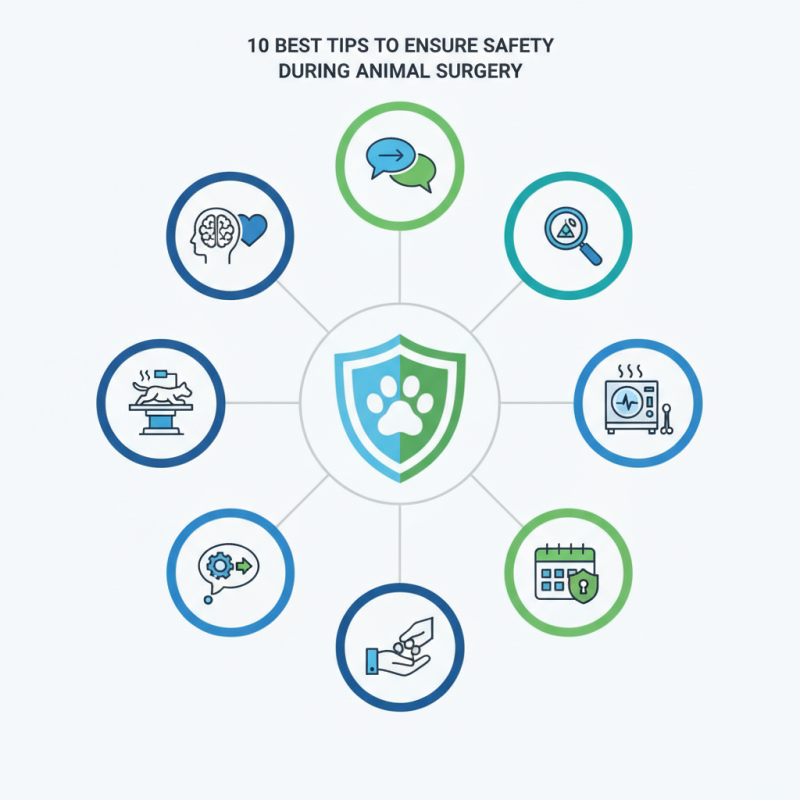
Animal surgery is a critical procedure that demands utmost safety for both the patient and the veterinary team. Understanding the importance of safety is essential. It helps to minimize risks and ensures the best outcomes. Every surgical step should be approached with caution. Team members must communicate clearly. This creates a safer environment during the operation.
Proper training and experience play a significant role. Veterinary professionals must stay updated on best practices. Using appropriate anesthetics is crucial for safe procedures. Monitoring vital signs throughout the surgery is a must. This allows for immediate action if something goes wrong. Surgical tools must be sterile. Contamination can lead to infections, which is a common concern.
Despite the best preparations, challenges can still arise. An unexpected reaction to anesthesia, for instance, may occur. It’s important to have contingency plans in place. Continuous education and sharing experiences among veterinary professionals improve safety standards. Reflecting on past surgeries can provide insight. Learning from mistakes enhances future practices. Fostering a culture of safety helps ensure that animal welfare remains the priority.
Preparing the surgical environment is crucial for animal safety. A clean and organized space can significantly reduce infection risks. Disinfecting all surfaces before the procedure is a vital step. This includes surgical tables, tools, and surrounding areas. Use appropriate sterilization techniques to eliminate harmful pathogens. Keep materials organized and within reach to minimize delays during surgery.
Proper lighting is another essential factor. Ensure the surgical area is well-lit to enhance visibility. This helps the surgical team perform tasks without straining their eyes. Noise levels should also be controlled. A calm environment reduces stress for both the animal and the team. Play soft music or maintain quiet conversations, if possible.
Monitoring equipment is critical. Ensure that vital signs can be checked easily throughout the procedure. Having a reliable anesthetic machine ready is essential. Each tool should be inspected for proper function. Continuous assessment of the environment contributes to a successful surgery. Reflecting on past procedures can help identify areas for improvement. It's essential to review what worked and what didn’t.
Before any animal surgery, thorough preoperative assessments are crucial. These evaluations help prevent complications during the procedure. A veterinarian should first check the animal's medical history. Understanding past illnesses gives insight into potential risks. Blood tests are important to assess liver and kidney function. These organs are vital for processing anesthesia safely.
Physical examinations are also essential. The vet should check vital signs like heart rate and temperature. Monitoring these parameters helps ensure the animal is stable. An EKG may be performed if there are concerns about heart health. Animal patients also need to be evaluated for overall hydration. Dehydration can pose serious risks during surgery.
Communication between the vet and pet owner is key. Owners should provide detailed information about feeding habits and any recent changes. This can highlight issues that may not be evident during the exam. The vet might suggest additional imaging, like X-rays, based on these details. Every little piece of information counts in ensuring the animal's safety during surgery. Being thorough is a responsibility we share, and reflection on practices can lead to better outcomes.
| Tip Number | Safety Tip | Description |
|---|---|---|
| 1 | Preoperative Assessments | Conduct thorough health evaluations and lab tests to ensure the animal is fit for surgery. |
| 2 | Anesthesia Monitoring | Ensure continuous monitoring of anesthesia levels and vital signs during surgery. |
| 3 | Surgical Cleanliness | Maintain a sterile environment to reduce the risk of infections. |
| 4 | Proper Restraint | Use appropriate restraint techniques to keep the animal calm and immobile. |
| 5 | Staff Training | Ensure that all staff members are trained in emergency procedures and animal handling. |
| 6 | Postoperative Care | Implement a solid postoperative care plan to monitor recovery and manage pain. |
| 7 | Client Communication | Educate clients on pre- and post-surgery care requirements for their pets. |
| 8 | Surgical Planning | Create a detailed surgical plan tailored to the individual needs of the animal. |
| 9 | Equipment Check | Verify that all surgical instruments and equipment are in proper working order. |
| 10 | Emergency Protocols | Have clear emergency protocols in place and ensure all staff are familiar with them. |
Effective anesthesia protocols are crucial for ensuring safety during animal surgeries. A well-planned anesthesia regimen not only minimizes pain but also reduces anxiety for the animal. Research shows that improper anesthesia can lead to serious complications. According to a study conducted by the American College of Veterinary Anesthesia and Analgesia, up to 15% of anesthesia-related incidents stem from inadequate monitoring.
Choosing the right anesthetic agents is vital. Each agent has unique pharmacological properties. For instance, opioids are effective for pain relief, while inhalants are preferred for their controllability during surgery. The use of multimodal analgesia can enhance patient outcomes, as it combines different classes of drugs to provide better pain control. It's essential for veterinary professionals to stay updated on the latest guidance and protocols.
The recovery phase is often overlooked but equally important. Animals may exhibit paradoxical reactions, such as agitation or disorientation. Continuous monitoring during recovery can identify potential issues early. A veterinary team must be trained to recognize signs of distress. Reflection on past cases can lead to improved protocols and better understandings of anesthesia's intricacies. Keeping detailed records of anesthesia events aids in refining future practices, ultimately enhancing patient safety.
Postoperative care is vital for ensuring the safety and well-being of animals after surgery. Animals may feel disoriented or anxious post-procedure. It's essential to create a calm environment where they can recover peacefully. Monitoring their breathing and heart rate can help identify any complications early on. Keep a close eye on any signs of discomfort or distress, such as excessive licking or unusual vocalizations.
One effective tip is to maintain a warm and quiet space. Use soft bedding and limit noise as much as possible. Additionally, using a cone or recovery suit may help prevent the animal from licking their surgical site. Regular check-ins from a veterinarian can provide ongoing reassurance. Keeping a record of your pet’s behavior can highlight progress or concern areas.
Administering prescribed medications on time is crucial. This ensures pain management and prevents infections. Always follow your vet’s advice regarding food and water intake. If your pet refuses to eat or drink, contact your vet. Recognizing that every animal reacts differently is important. Each situation warrants individual attention and care. Consider reaching out to pet support groups or forums for shared experiences and advice.
: A clean space reduces infection risks significantly. Disinfecting surfaces is essential before procedures.
Proper lighting enhances visibility, helping the surgical team avoid eye strain and focus better.
Controlled noise levels create a calm environment. It reduces stress for both animals and the surgical team.
Easy access to vital sign monitoring ensures early detection of any complications that may arise.
Selecting the right anesthetic agents and monitoring during recovery is critical for minimizing pain and anxiety.
Creating a quiet space and monitoring vital signs helps identify complications, promoting a smoother recovery.
Animals can react differently post-surgery. Monitoring helps catch distress signals early for appropriate care.
Contact your veterinarian immediately if your pet doesn't eat or drink after the procedure for guidance.
Keeping detailed records helps refine protocols and enhances understanding of anesthesia's effects over time.
Reflecting allows for identifying weaknesses, thus improving protocols and enhancing future surgical outcomes.
In the realm of veterinary medicine, ensuring safety during animal surgery is paramount. This involves a comprehensive understanding of the surgical environment, which must be meticulously prepared to eliminate potential hazards. Essential preoperative assessments play a crucial role in determining the health status of animal patients and identifying any risks prior to surgery. Additionally, implementing effective anesthesia protocols is vital to maintain the well-being of the animal throughout the procedure.
Postoperative care and monitoring are equally important to ensure a smooth recovery. By closely observing the animal's condition and addressing any complications promptly, veterinarians can safeguard their patients' health post-surgery. Together, these strategies form a robust framework for how to ensure safety during animal surgery, promoting better outcomes for our furry companions.

Petovira Animal