Choosing the right tools can shape every consultation in a small animal practice. A quiet examination room, a stable scale, and a reliable monitor can reduce patient stress and support safer decisions. Yet, the question is not simply which equipment is suitable for small animal practices. The better question is which equipment fits the clinic’s patients, workflow, staff skills, and budget.
Veterinarian Dr. Marty Becker has often emphasized, “The best medicine is the medicine you can practice.” That principle applies directly to equipment selection. A digital thermometer, calibrated weighing scale, stethoscope, examination light, and dependable anesthesia monitor may offer more daily value than an impressive device used twice monthly. For many clinics, dental equipment, oxygen support, sterilization systems, and a compact ultrasound unit also deserve careful consideration.
Small details matter. A non-slip table can steady a nervous terrier. A bright LED light can reveal subtle oral inflammation. A readable monitor can help staff notice changing oxygen levels during recovery. Experience shows that equipment must be accessible, cleanable, and simple to maintain. Fancy is not always better.
There are trade-offs. A lower purchase price may hide repair delays or costly consumables. Even experienced teams can overlook staff training. That deserves reflection. This guide will compare practical equipment choices for examinations, diagnostics, surgery, dentistry, hospitalization, and emergency care, while considering safety, durability, workflow, and long-term value.
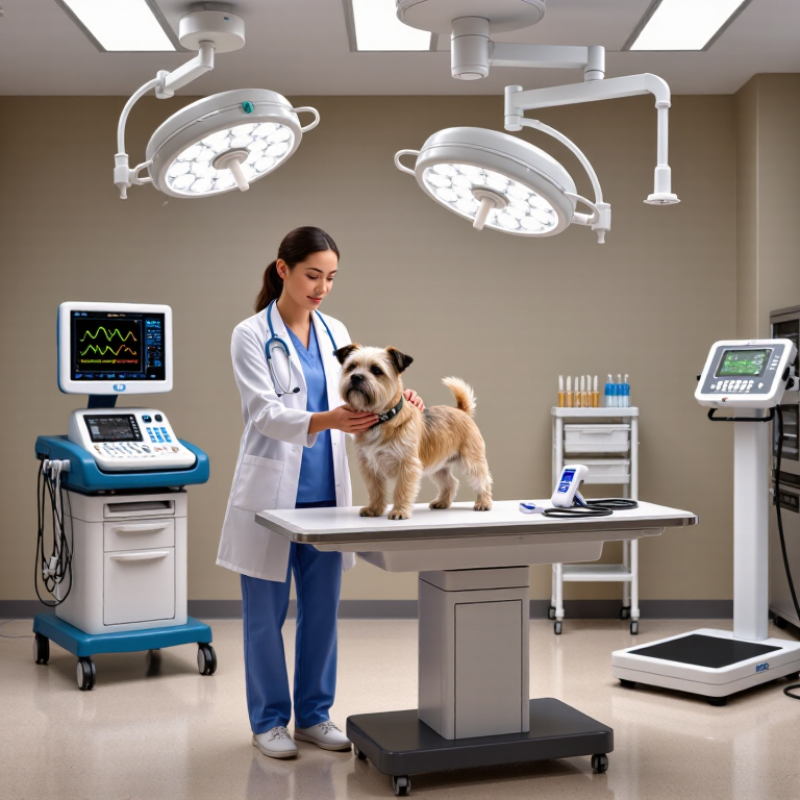
Choosing veterinary equipment should begin with a practice needs assessment, not a catalogue. Review the last 12 months of cases, including dental procedures, radiography, anesthesia, laboratory testing, and emergency visits. The AVMA’s 2022 U.S. Pet Ownership and Demographics Sourcebook reported that approximately 45% of U.S. households owned dogs, while about 26% owned cats. This broad patient base still demands local analysis. A small urban clinic may need rapid bloodwork and dental imaging. A rural practice may prioritize durable anesthesia monitoring and large-animal referral coordination.
Measure more than patient numbers. Record procedure frequency, staff skills, room size, electrical capacity, cleaning time, and service access. AAHA accreditation guidance emphasizes documented protocols, equipment maintenance, and patient monitoring. These points should shape every purchase. For anesthesia, select equipment that displays oxygen saturation, carbon dioxide, blood pressure, and temperature clearly. For imaging, assess image quality, radiation protection, software training, and backup plans. Ask whether one trained technician can operate the system safely during a busy afternoon.
Budget for ownership, not purchase price. Include calibration, consumables, warranties, repairs, training, and downtime. The AAFP’s feline practice guidelines also support low-stress handling, so narrow tables or noisy machines may undermine otherwise sound care. A perfect setup is a useful myth. I have seen practices buy advanced equipment before fixing workflow gaps. That order can create expensive clutter. Reassess usage after six months, and admit when a tool is impressive but rarely needed.
Review the past twelve months of cases and procedures. Track dental work, imaging, anesthesia, laboratory testing, and emergencies. Also measure room size, staff skills, cleaning time, and electrical capacity.
Not immediately. Start with actual workflow problems and patient needs. A busy urban clinic may need rapid bloodwork and dental imaging. A rural clinic may value durable monitoring and referral coordination.
Budget for ownership, not only the purchase price. Include calibration, consumables, repairs, training, warranties, and downtime. A cheap device can become expensive after repeated repairs.
Clear readings for oxygen saturation, carbon dioxide, blood pressure, and temperature matter. Electrocardiography can provide additional information. Visual observation remains essential. Numbers can lag.
Choose an adjustable table with secure positioning and a warm, cleanable surface. Use lighting that limits shadows around deep wounds. Suction, electrosurgical equipment, and sterile instruments should be inspected routinely.
Perform a leak check before every anesthetic event. Keep spare breathing bags, hoses, and temperature probes nearby. Clean sensors after each patient. Check alarms before use.
Use a written schedule instead of relying on memory. Inspect cables, tubing, sensors, batteries, and electrical connections. Record each fault, its date, symptoms, and corrective action. Small faults matter.
Consider replacement when repairs become frequent or safety features become outdated. Unavailable parts also signal a problem. Reassess usage after six months. An impressive device may rarely help.
Selecting the right veterinary equipment begins with a clear assessment of a small animal practice’s patients, services, available space, staff skills, and budget. Understanding which equipment is suitable for small animal practices helps veterinarians prioritize essential examination tools, diagnostic devices, weighing systems, dental instruments, and basic laboratory equipment. Equipment should be reliable, easy to operate, appropriately sized, and capable of supporting efficient patient care without creating unnecessary costs or complexity.
A well-prepared practice should also consider surgical tables, anesthesia delivery systems, patient monitoring devices, sterilization equipment, imaging tools, sample processing systems, and secure storage solutions. Safety features, routine maintenance, staff training, cleaning procedures, and equipment replacement schedules are equally important for consistent performance. By planning upgrades according to clinical demand, workflow changes, and long-term sustainability, small animal practices can improve diagnostic accuracy, support safer procedures, and provide dependable care for their patients.

 Petovira Animal