How to Choose Modern Diagnostic Tools for Veterinary Clinics?

Time:2026-06-19 Author:Ethan
0%

In today's fast-paced world, veterinary clinics face increasing demands for accurate and efficient patient care. Why do veterinary clinics need modern diagnostic tools? Dr. Emily Johnson, a renowned veterinary specialist, emphasizes, “Advanced diagnostics enhance not just care, but also trust with pet owners.” This statement highlights the central role that modern tools play in the veterinary field.

Modern diagnostic tools, such as digital imaging and laboratory testing, provide quicker and more precise results. They empower veterinarians to identify conditions early, improving treatment outcomes. For example, digital radiography offers instant images, allowing vets to make timely decisions. This technology reduces stress for both pets and their owners, creating a more seamless experience in the clinic.

However, some clinics may hesitate to adopt these innovations due to cost and training concerns. Investing in modern tools requires careful consideration, as it impacts both budget and workflow. Yet, the benefits often outweigh these challenges. By embracing advanced diagnostics, clinics can enhance their reputation and attract more clients. In a competitive landscape, utilizing modern diagnostic tools is not just beneficial; it is essential for effective veterinary practice.
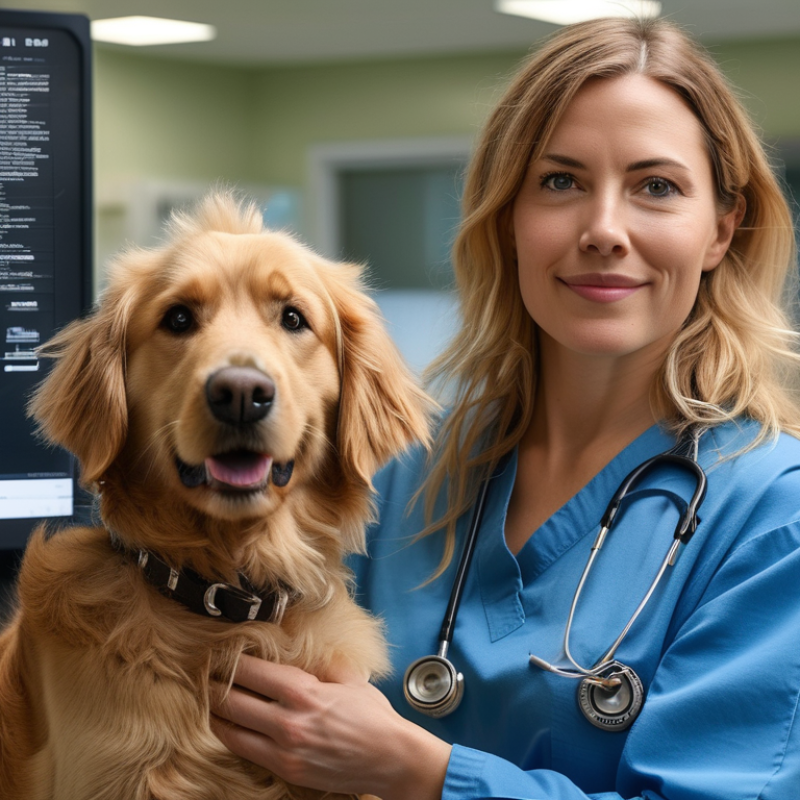
How to Choose Modern Diagnostic Tools for Veterinary Clinics?

Identifying Key Diagnostic Needs in Veterinary Practice

In veterinary practice, identifying key diagnostic needs is crucial for ensuring quality pet care. Recent reports indicate that nearly 70% of veterinarians prioritize modern diagnostic tools to enhance their services. This highlights a growing trend in the industry, where technology plays a vital role in patient diagnosis and treatment.

Understanding the specific diagnostic needs of a clinic is essential. Many practices are transitioning from traditional methods to more advanced equipment. For instance, point-of-care ultrasound systems have gained popularity. These devices provide immediate results, helping veterinarians make quicker and more informed decisions. However, the adoption of such technology can be challenging for some clinics. Training staff and integrating new tools into existing workflows requires careful planning.

Moreover, some clinics may overlook the importance of regular assessments of their diagnostic tools. Regular evaluations help ensure that the equipment meets evolving veterinary standards. About 35% of clinics fail to conduct these assessments consistently. This can lead to outdated practices that hinder accurate diagnosis. Emphasizing the importance of periodic reviews can bolster a clinic's reliability and reputation. Balancing innovation with practical application is key to meeting the dynamic needs of veterinary diagnostics.

How to Choose Modern Diagnostic Tools for Veterinary Clinics? - Identifying Key Diagnostic Needs in Veterinary Practice

Diagnostic Tool Key Features Use Cases Cost Range
Digital X-Ray High-resolution images, reduced radiation exposure, quick results Orthopedic evaluations, dental imaging, abdominal diagnostics $20,000 - $40,000
Ultrasound Machine Real-time imaging, non-invasive, versatile in soft tissue diagnostics Pregnancy checks, abdominal and cardiac evaluations $15,000 - $50,000
In-House Blood Analyzer Rapid results, user-friendly interface, multiple tests General health screenings, pre-anesthetic evaluations $10,000 - $25,000
ECG Machine Cardiac monitoring, portable options, easy-to-read displays Cardiac disease assessment, pre-surgical evaluations $5,000 - $15,000
Endoscopy System Minimally invasive, various scopes available, visual diagnosis GI tract examinations, biopsy procedures $30,000 - $100,000

Evaluating the Latest Technologies in Veterinary Diagnostics

In selecting modern diagnostic tools for veterinary clinics, evaluating the latest technologies is crucial. These advancements can significantly enhance patient care and streamline clinic operations. They also come with a learning curve. Not every tool suits all clinics. Investing time in research is essential.

When considering technology, focus on user-friendliness. Complex tools may frustrate staff, affecting efficiency. Ask staff for their input. Their insights can guide the selection process. Moreover, consider whether the technology has ongoing support from developers. Reliable customer service can be a game-changer.

Integrating new devices into daily practice can be daunting. Allocate time for training and adjustments. Establish a feedback loop with your team to pinpoint any difficulties. This approach can aid in refining the use of the technologies. Remember, evolving in diagnostics doesn’t always mean a smooth transition. Embrace the challenges and adapt as needed.

Assessing Budget Considerations for Diagnostic Equipment

When selecting diagnostic tools for veterinary clinics, budget considerations play a vital role. It's crucial to evaluate your clinic's financial limits while ensuring you acquire quality equipment. A well-planned budget enhances operational efficiency. Consider both upfront costs and long-term maintenance expenses. This approach helps you make informed decisions.

Investing in high-quality diagnostic tools can save money over time. However, high prices do not always guarantee the best results. Cheaper alternatives might suffice for specific needs. Analyze your clinic's case load and the types of diagnostics most frequently performed. This can reveal what equipment is necessary and what can be postponed for future investment.

While it’s tempting to choose the latest technology, practical choices often lead to better financial health. Assess previous purchases and their impacts on practice revenue. Did they enhance service quality? Or did they become costly burdens? Reflecting on these decisions can guide future investments. This process is not just about selecting tools but also about understanding your clinic's unique requirements and financial realities.

Veterinary Diagnostic Equipment Budget Assessment

Understanding Regulatory Standards for Veterinary Diagnostic Tools

When selecting veterinary diagnostic tools, understanding regulatory standards is crucial. Regulatory bodies set guidelines to ensure safety and efficacy in veterinary diagnostics. These standards vary by region, but they help maintain high-quality care for animals. Staying updated on these regulations is essential for compliance.

Tips for compliance include regularly reviewing documentation and testing protocols. Routine audits can help identify gaps in adherence to regulations. Create a checklist of required certifications for all diagnostic tools in your clinic. This practice ensures you meet the latest standards. Remember, non-compliance could lead to severe penalties.

Investing time in staff training on regulatory changes is vital. A well-informed team can navigate complex regulations more effectively. Additionally, staying connected with regulatory agencies can provide valuable insights. Attend workshops or seminars focused on veterinary diagnostics to expand your knowledge. A commitment to understanding these standards sets a reliable foundation for your clinic.

Training Staff on New Diagnostic Technologies in Clinics

As veterinary clinics adopt modern diagnostic technologies, training staff becomes crucial. A recent study by the American Animal Hospital Association revealed that over 70% of veterinarians believe ongoing education enhances clinic efficiency. Proper training also improves staff confidence in using new tools.

When integrating new diagnostic technologies, clinics should implement structured training programs. Practical workshops help staff familiarize themselves with equipment. Consider setting aside time for hands-on sessions, which allow for questions and real-world practice. Research shows that hands-on experience can increase retention of knowledge by up to 75%.

Tips: Encourage team discussions after training. This approach fosters a collaborative environment where staff can share best practices. Regularly reviewing diagnostic protocols aids in reinforcing knowledge and addressing challenges. Be open to feedback; this can pinpoint areas needing further training. Embrace the imperfect journey of learning.

FAQS

: Why are budget considerations important when selecting diagnostic tools?

: Budget considerations ensure that you acquire quality equipment while enhancing operational efficiency in your clinic.

How can I determine what equipment is necessary for my clinic?

Analyze your clinic’s case load and frequently performed diagnostics to identify needed equipment.

Do higher prices always guarantee better diagnostic tools?

No, high prices do not guarantee the best results; cheaper options might meet specific needs adequately.

What steps can I take to ensure compliance with regulatory standards?

Regularly review documentation and testing protocols, and create a checklist of required certifications for all tools.

Why is staff training important for new diagnostic technologies?

Training increases staff confidence and clinic efficiency, helping them effectively use modern diagnostic tools.

How can hands-on training improve staff knowledge retention?

Hands-on experience can increase knowledge retention by up to 75%, making it vital for effective training.

What should I do if my staff struggles with new technology?

Be open to feedback and encourage discussions to identify areas needing further training and support.

How can I keep updated on regulatory changes?

Stay connected with regulatory agencies and attend workshops or seminars focused on veterinary diagnostics.

What’s a practical approach to evaluating past equipment purchases?

Assess their impacts on service quality and revenue to understand if they were valuable or burdensome.

Is it essential to foster a culture of collaboration after training?

Yes, encouraging team discussions post-training helps share best practices and reinforces knowledge among staff.

Conclusion

Choosing modern diagnostic tools is essential for veterinary clinics to enhance their diagnostic capabilities and improve patient outcomes. The process begins with identifying key diagnostic needs within the practice, enabling clinics to focus on the specific technologies that will address their unique challenges. Evaluating the latest advancements in veterinary diagnostics is crucial for staying competitive and providing comprehensive care.

Budget considerations play a significant role in selecting the right equipment, as clinics must balance quality with financial feasibility. Additionally, understanding regulatory standards ensures that the tools meet safety and effectiveness criteria. Finally, staff training on new diagnostic technologies is vital for maximizing the benefits of these tools. Ultimately, "why do veterinary clinics need modern diagnostic tools" can be answered by their capacity to deliver accurate diagnoses swiftly, improve treatment plans, and boost overall efficiency in veterinary practice.

Ethan

Ethan

Ethan is a seasoned marketing professional with a deep expertise in our company's innovative product line. With a passion for sharing knowledge and insights, he takes the lead in regularly updating our corporate blog, where he explores industry trends, product features, and effective marketing......