In the evolving field of veterinary medicine, the need for precision in diagnostics is crucial. Enhancing diagnostic accuracy in animal healthcare not only affects treatment outcomes but also influences overall public health. Vet professionals often grapple with misdiagnosis, which can lead to ineffective treatments. Knowing how to improve diagnostic accuracy in animal healthcare is vital for delivering better care.
Utilizing advanced technology, such as AI and data analytics, can provide significant support. These tools help identify trends that may be overlooked during traditional examinations. Moreover, strengthening collaboration among specialists can yield different insights into complex cases. Regular training and workshops can also sharpen diagnostic skills. However, these approaches require commitment.
The challenges remain prominent. Some veterinary practices may lack resources or training, impacting overall diagnostic capabilities. Encouraging a culture of continuous improvement within veterinary teams is essential. Reflecting on past cases can lead to better future decisions. Adopting a more nuanced approach to diagnostics ensures that animal healthcare continues to evolve.
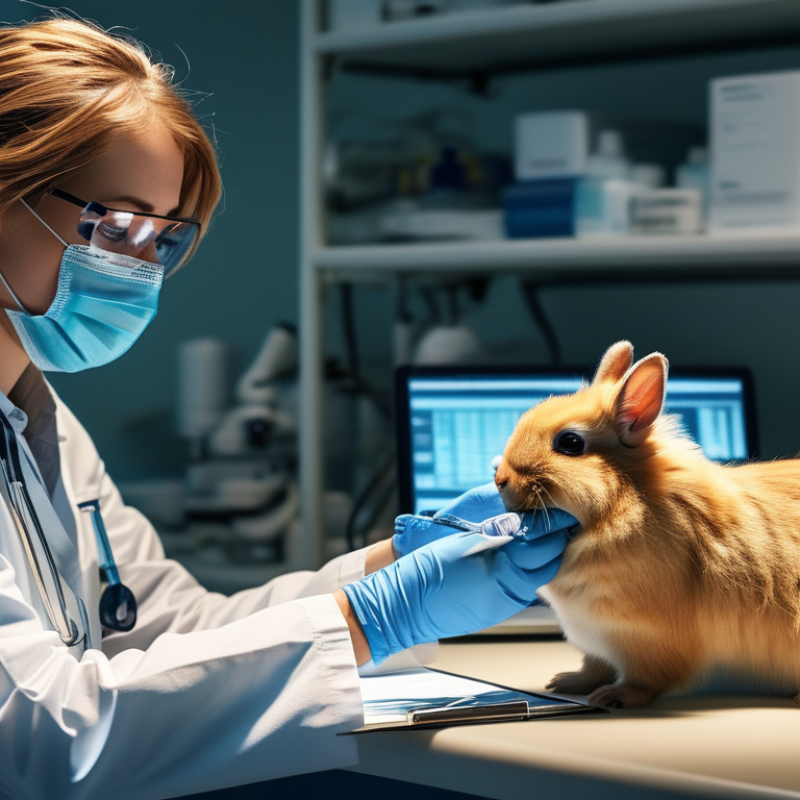
Advanced imaging techniques are transforming the landscape of animal healthcare. By utilizing tools like MRI, CT scans, and ultrasound, veterinarians can achieve a deeper understanding of their patients' conditions. These methods provide detailed visualizations, which enhance diagnostic accuracy significantly. Accurate diagnostics lead to better treatment plans tailored to each animal's specific needs.
Tips for veterinarians: invest in training for your staff on these imaging tools. Regular workshops can improve skill sets. Familiarize yourself with the latest imaging advancements. Keeping updated is crucial for effective diagnoses. Ensure the equipment is well-maintained for optimal results. Poor image quality can lead to misdiagnosis.
Consider the emotional aspect of diagnostics too. Animals can sense stress. This can affect their cooperation during imaging sessions. Create a calm environment. Use treats or gentle voices. These small adjustments can help in achieving clear images. Remember, engaging with the animal is as important as the technology used.
Genetic testing is revolutionizing animal healthcare. It enhances the accuracy of disease diagnosis by identifying genetic predispositions. With precise data, veterinarians can tailor treatment plans for individual animals.
Veterinarians now employ genetic markers to predict disease susceptibility. This method is particularly effective for inherited conditions. For example, certain dog breeds are prone to specific genetic disorders. By conducting tests, veterinarians can detect these risks early. This proactive approach supports better health outcomes for pets.
However, challenges remain. Not all practitioners fully embrace genetic testing. Some may lack resources or understanding of the technology. Additionally, ethical considerations about genetic data must be addressed. These factors can hinder progress in this valuable field. Ultimately, ongoing education and open discussions are essential for improving diagnostic practices in animal healthcare.
Incorporating AI and machine learning into veterinary diagnostics is revolutionizing animal healthcare. These technologies can analyze vast amounts of data rapidly. For instance, machine learning algorithms can identify patterns in symptoms and test results that may not be obvious to a human vet. This capability enhances the accuracy of diagnoses significantly. However, integrating these tools requires careful consideration of data quality and completeness.
Veterinary professionals must be trained in the use of AI tools. Understanding the technology is crucial for effective interpretation of results. Misinterpretation can lead to incorrect diagnoses. Some vets may feel overwhelmed by the new technology. They might struggle with shifting from traditional diagnostic methods to data-driven approaches. Support and education will be key in overcoming these challenges.
Another concern is data privacy. Protecting the sensitive information of pet owners is vital. Ensuring compliance with data protection regulations is necessary. While AI offers potential benefits, reliance solely on technology can lead to gaps in veterinary judgment. It's important to strike a balance between advanced tools and human expertise in the diagnosis process.
Continuous education plays a vital role in enhancing diagnostic proficiency in animal healthcare. Veterinarians often face complex cases that require ongoing learning to stay updated on the latest advancements. Regular workshops and online courses can equip professionals with essential skills. Practical training sessions help bridge the gap between theory and real-world application.
Veterinarians must reflect on their experiences. They should ask themselves if they have kept pace with new techniques and technologies. Addressing gaps in knowledge can lead to more accurate diagnoses. Engaging in case discussions with peers can provide new perspectives. This collaborative approach fosters a culture of continuous improvement.
Establishing a habit of lifelong learning is crucial. Simple steps, like reading academic journals or attending conferences, can make a difference. However, many professionals struggle to prioritize education amidst their busy schedules. Finding a balance between practice and learning is essential for better patient outcomes. Investing time in education ultimately benefits animal health and enhances professional confidence.
Implementing standardized protocols in animal healthcare can greatly enhance diagnostic accuracy. Consistency in procedures is crucial for reliable results. According to a study by the American Animal Hospital Association, over 30% of diagnostic errors are due to lack of standardization. This indicates a significant gap in current practices.
Standardized protocols help eliminate variability in diagnostic approaches. For instance, using a uniform set of guidelines for blood testing can decrease misdiagnosis rates. A recent survey showed that clinics using standardized protocols had a 25% lower error rate. This not only increases trust but also improves patient outcomes.
However, not all practices adhere to these protocols. Many rely on individual clinician experience, which can lead to inconsistent results. In some cases, protocols are not fully integrated into everyday practice. This highlights the need for ongoing training and evaluation. Emphasizing the importance of standardization can lead to better diagnostic practices in animal healthcare.
: Advanced imaging techniques like MRI, CT scans, and ultrasound provide detailed visualizations for better diagnosis.
They enhance understanding of an animal's condition, leading to tailored treatment plans.
It helps them stay updated on advancements and tackle complex cases effectively.
Attend workshops, online courses, and practical training sessions regularly.
Animals may not cooperate, leading to unclear images; a calm setting is essential.
Use treats, gentle voices, and engage with the animal for better results.
Balancing practice with ongoing learning is often difficult for many professionals.
Engage in case discussions with peers and assess if they are current with techniques.
Regularly read academic journals or attend relevant conferences.
Busy schedules often make it hard to prioritize learning over practice.
Enhancing diagnostic accuracy in animal healthcare is essential for effective disease management and treatment. One key approach involves leveraging advanced imaging techniques, which provide detailed insights into animal physiology and pathology, allowing for more precise diagnostics. Additionally, incorporating genetic testing enables veterinarians to identify predispositions to certain diseases, thereby facilitating early intervention and tailored treatment plans.
Moreover, the integration of AI and machine learning into veterinary diagnostic tools significantly boosts diagnostic capabilities, allowing for the analysis of vast amounts of data and improved decision-making. Continuous education for veterinary professionals is also crucial, ensuring they stay updated on the latest advancements and methodologies. Lastly, implementing standardized protocols helps establish consistency and reliability in diagnostic practices, further improving diagnostic accuracy in animal healthcare. Through these strategies, the veterinary field can enhance its effectiveness in diagnosing and treating animal health issues.

Petovira Animal