In the rapidly evolving field of veterinary medicine, understanding what equipment is essential for modern animal clinics is crucial. A report by the American Animal Hospital Association (AAHA) highlights that over 80% of veterinary practices now prioritize advanced diagnostic tools. This reflects a shift toward quality care and improved patient outcomes. Dr. Emily Chen, a leader in veterinary practice management, emphasizes, "Modern clinics need tools that not only diagnose but also enhance the experience for both pets and their owners."
Clinics today often feature digital x-ray machines, ultrasound devices, and advanced blood analyzers. These tools not only streamline workflows but also provide accurate diagnoses. However, many clinics struggle with the high costs and maintenance of such equipment. This reality can hinder the adoption of necessary technologies. Despite this, it is vital for facilities to adapt to these advancements to remain competitive.
The demand for high-quality veterinary care is on the rise. Pet owners expect a level of service that matches human healthcare standards. Investing in essential equipment is no longer optional; it is a necessity. The question remains: how can clinics balance investment with operational efficiency? This ongoing challenge highlights the need for a thoughtful approach to resource allocation in veterinary practices.
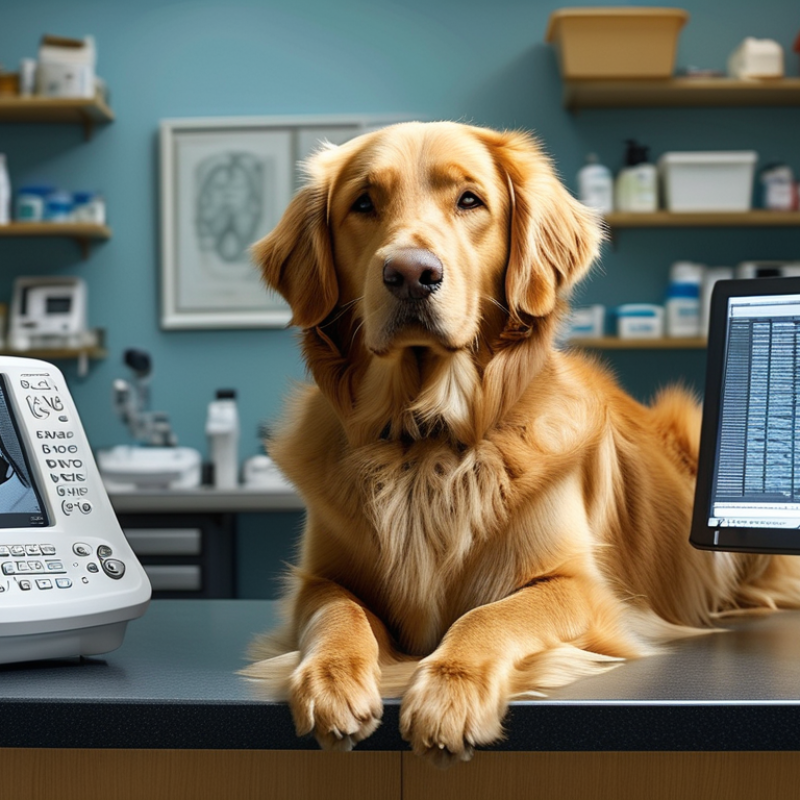
Top 10 Essential Equipment for Modern Animal Clinics
In the rapidly evolving field of veterinary medicine, equipping animal clinics with the right tools is crucial for effective care. One essential item is a high-quality digital X-ray machine. These devices enhance diagnostic capabilities, allowing for detailed imagery of a pet’s internal condition. However, not all clinics may have access to advanced imaging technology. Some rely on basic techniques, which can hinder accurate diagnosis.
Another key piece of equipment is an anesthesia machine, vital for surgeries. Proper anesthesia administration can be the difference between life and death. Yet, some clinics may lack experienced staff to monitor these machines, leading to potential complications. A well-stocked surgical suite should also include sterilization tools. Infection control is paramount, yet, in busy clinics, some might overlook proper sterilization protocols.
Ultrasound machines have become increasingly important for non-invasive diagnosis. This technology provides real-time images, yet not every clinic has the budget for such advanced equipment. Many practitioners still depend on traditional methods, which can be less reliable and limit treatment options. Investing in the right equipment can ultimately enhance patient care, but awareness and training remain just as important to ensure the equipment is used effectively and safely.
Digital X-ray Systems: Enhancing Diagnosis in Veterinary Medicine
Digital X-ray systems have transformed veterinary medicine significantly. These advanced imaging tools improve diagnostic accuracy and speed. According to a 2022 veterinary technology report, over 78% of clinics now utilize digital radiography. This system reduces exposure time, enhancing patient safety and minimizing stress for animals.
The clarity of digital images allows veterinarians to detect issues earlier. Conditions like fractures, tumors, or foreign bodies are easier to identify with high-resolution images. Studies show that digital X-rays can enhance diagnostic confidence by up to 30%. Furthermore, immediate image review capabilities facilitate quick decision-making.
However, some clinics face challenges in adapting to this technology. Initial costs for digital systems can be high, and training staff requires time and resources. Despite these challenges, the benefits often outweigh the drawbacks. Improved diagnosis leads to better treatment plans, ultimately benefiting pet health and client satisfaction.
Advanced Anesthesia Machines: Ensuring Patient Safety and Comfort
Advanced anesthesia machines play a crucial role in the modern animal clinic. These machines are designed with patient safety and comfort in mind. They allow for precise control over anesthesia delivery. This precision is essential for minimizing risks during surgery. An effective machine ensures pets remain stable throughout the procedure. Veterinarians can monitor vital signs closely during this time.
Using advanced technology, these machines provide real-time data. Temperature, heart rate, and blood pressure are continuously tracked. Such monitoring helps veterinarians make informed decisions. However, there can be challenges. For example, equipment malfunctions can occur. Regular maintenance and staff training are necessary to prevent these issues. It's important for clinics to reflect on their protocols regularly.
Moreover, not all machines offer the same level of detail. Some may lack features that enhance patient safety. Clinics need to evaluate their needs carefully. Investing in well-reviewed equipment can improve outcomes. Training staff on new devices is equally vital. Implementing these measures can create a safer environment for all animals in care.
Top 10 Essential Equipment for Modern Animal Clinics
| Equipment Name |
Purpose |
Key Features |
Importance |
| Advanced Anesthesia Machine |
Administer and monitor anesthesia |
Precision, safety alarms, gas delivery system |
Critical for surgical procedures |
| Digital Radiography |
Imaging for diagnosis |
High-resolution images, reduced exposure |
Essential for identifying health issues |
| Ultrasound Machine |
Internal organ examination |
Real-time imaging, non-invasive |
Vital for pre-surgical assessments |
| Monitoring System |
Track vital signs |
Multi-parameter monitoring, alarms |
Ensures patient safety during procedures |
| Surgical Instruments |
Perform surgeries |
High-quality materials, variety of tools |
Essential for surgical success |
| Veterinary Laboratory Equipment |
Conduct tests and analyses |
Accuracy, diverse testing capabilities |
Supports accurate diagnostics |
| Endoscope |
Non-invasive internal examination |
Flexible, high-definition imaging |
Minimally invasive diagnostics |
| Dental Equipment |
Oral health assessments |
Digital X-ray, ultrasonic scaling |
Important for preventive care |
| Patient Warming Devices |
Maintain body temperature during procedures |
Thermal comfort, safety features |
Reduces anesthesia risks |
| IV Delivery Systems |
Fluid administration |
Precision, adjustable flow rates |
Critical for patient hydration and medications |
Ultrasound Devices: Non-invasive Imaging for Animal Health Assessment
Ultrasound devices have revolutionized diagnostics in veterinary medicine. They provide a non-invasive way to assess animal health without the risks associated with surgical procedures. A recent report by the American Animal Hospital Association suggests that veterinary practices using ultrasonography have seen a 30% increase in patient referrals, underscoring its importance.
These devices can visualize internal organs and detect conditions early. For instance, they help in identifying tumors or cardiac issues in pets. With sensitivity rates reaching 90% for detecting heart diseases, ultrasound is pivotal for timely interventions. However, not all clinics are equipped with this technology, which raises concerns about the overall standard of care.
Additionally, training and experience matter. Not every technician can interpret ultrasound images effectively. Veterinary professionals require specialized training to leverage this technology fully. Some clinics struggle with investing in training while also upgrading their equipment, causing a gap in service quality. This emphasizes the need for ongoing education in the field, ensuring that all practitioners can provide optimal care using modern tools.
Top 10 Essential Equipment for Modern Animal Clinics
This chart illustrates the importance level of various essential equipment types in modern animal clinics. The importance level is rated on a scale from 1 to 10, highlighting the significance of each equipment type in ensuring comprehensive animal healthcare.
Surgical Instruments and Equipment: Precision Tools for Veterinary Surgeons
In modern veterinary practice, precision surgical instruments are vital. Veterinary surgeons need tools that enhance their accuracy and efficiency. This equipment includes scalpels, scissors, and forceps, each designed for specific tasks. The right instruments can significantly impact surgical outcomes. Surgeons must select tools that balance sharpness and durability.
Beyond basic instruments, advanced equipment is essential. Laparoscopic tools allow for minimally invasive procedures, reducing recovery time for pets. Monitoring devices are also crucial during surgery. They help track vital signs and ensure patient safety. Each piece of equipment becomes an extension of the surgeon’s skill.
However, choosing surgical instruments can be challenging. Not all tools meet the same standards of quality. Some may wear down quickly or fail to perform accurately. This can lead to complications during procedures. Veterinary clinics should invest time in training staff on proper instrument handling. Continued education ensures that everyone understands the importance of precision in animal care.
Laboratory Diagnostics: Essential Tools for Rapid Test Results in Clinics
Laboratory diagnostics are crucial for modern animal clinics. They provide rapid test results, enabling timely decisions for patient care. Essential tools in this aspect include hematology analyzers, biochemistry analyzers, and microscopes. Each piece of equipment plays a vital role in diagnosing illnesses effectively.
Maintaining calibration is essential for these diagnostic tools. A malfunction can lead to inaccurate results, impacting treatment choices. Regular maintenance checks are recommended. This practice can enhance the reliability of test outcomes. Remember, a faulty device can cause misdiagnosis, which may harm patients.
For clinics, investing in quality training for staff is equally important. Understanding how to use equipment correctly minimizes errors. Encourage open conversations about challenging cases. This approach fosters an environment where learning from mistakes is prioritized. Diagnosticians are not infallible; collaboration can lead to better solutions.
FAQS
: They enhance patient safety and comfort during surgical procedures. These machines allow precise control of anesthesia delivery.
They monitor vital signs like heart rate and blood pressure in real-time. This helps veterinarians make informed decisions.
Equipment malfunctions can occur unexpectedly. Regular maintenance and thorough staff training are necessary to mitigate this risk.
No, some machines may lack safety features. Clinics need to evaluate their specific needs carefully before choosing equipment.
They offer a non-invasive way to visualize internal organs. This helps identify issues like tumors or heart conditions quickly.
Ultrasound can achieve sensitivity rates of up to 90%. This facilitates timely medical interventions for pets.
Not all clinics are equipped with ultrasound devices. This discrepancy raises concerns about the standard of care provided.
Not all technicians can accurately interpret ultrasound images. Proper training ensures effective use of this vital diagnostic tool.
Some clinics struggle to invest in both upgrading equipment and staff training. This gap can negatively impact service quality.
Regularly reviewing protocols and investing in updated technology is essential. This creates a safer environment for all animals.
Conclusion
In modern animal clinics, a range of essential equipment plays a crucial role in providing high-quality veterinary care. Among the most important tools are digital X-ray systems, which enhance diagnostic accuracy and speed, ensuring timely treatment for pets. Advanced anesthesia machines are integral for maintaining patient safety and comfort during procedures, while ultrasound devices offer non-invasive imaging solutions for comprehensive health assessments.
Additionally, surgical instruments and equipment provide veterinarians with precision tools needed for effective surgeries, and laboratory diagnostics enable rapid test results, allowing for swift decision-making in clinical settings. When considering what equipment is essential for modern animal clinics, it becomes clear that the integration of technology and advanced medical tools significantly elevates the standard of care offered to animals.

 Petovira Animal