How Does Global Demand Impact Veterinary Medical Equipment?

Time:2026-07-16 Author:Henry
0%

As global demand continues to evolve, its impact on veterinary medical equipment becomes increasingly significant. Dr. Emily Carter, a leading expert in veterinary technology, notes, "The demand for advanced veterinary tools directly influences the innovation and availability of essential equipment." This statement encapsulates the intricate relationship between market demand and veterinary advancements.

When veterinarians require more sophisticated diagnostic tools, manufacturers must respond. This creates a rapid cycle of innovation and adaptation. The fluctuations in global market needs push companies to design and produce versatile equipment that meets varying standards. Such changes can benefit animal health, but also present challenges for smaller clinics struggling to stay updated.

The tension between powerful global demands and localized needs is palpable. Some regions may lag behind in access to the latest technology. This disparity raises questions about equity in animal healthcare. Addressing these challenges is crucial for the future of veterinary medicine. Understanding how global demand affects veterinary medical equipment is essential for making informed decisions within this vital industry.
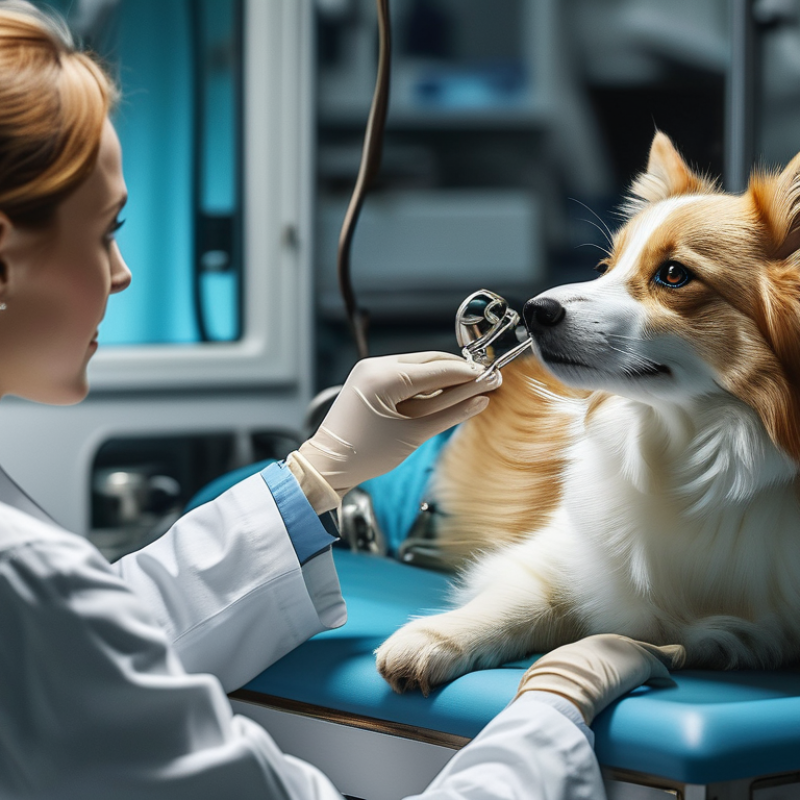
How Does Global Demand Impact Veterinary Medical Equipment?

Factors Influencing Global Demand for Veterinary Medical Equipment

Global demand for veterinary medical equipment is influenced by various factors. First, the rising pet ownership drives the need for quality veterinary services. This surge means more equipment is necessary for diagnostics and treatment. As people treat pets as family, veterinarians require advanced tools to meet expectations.

Moreover, increasing awareness of animal health directly affects the equipment market. Pet owners are now more informed about vaccinations and preventive care. This demand pushes clinics to invest in better technology, enhancing their service offer. Advanced imaging tools, surgical instruments, and diagnostic kits become essential in modern practices.

Tips: When considering veterinary equipment, assess the specific needs of your clinic. Start with essentials that enhance capability. Regularly review the latest technological advancements. Investing wisely can significantly improve care outcomes and client satisfaction. Stay updated on veterinary trends to make informed purchasing decisions.

Trends in Veterinary Medicine Driving Equipment Needs Globally

The demand for veterinary medical equipment is rapidly evolving. Several trends in veterinary medicine are shaping how equipment is utilized globally. Pet ownership has surged, prompting animal healthcare professionals to seek advanced tools for diagnostics and treatments. This increase in patient load drives the need for effective and efficient veterinary practices.

Technology plays a crucial role in this transformation. Innovations in telemedicine have made remote consultations commonplace. This change has led to an increased need for equipment that facilitates virtual examinations. Moreover, diagnostic tools that support quick and accurate assessments are in high demand. Practitioners must rely on reliable technology to keep up with the growing expectations from pet owners.

Tips for clinics include investing in versatile equipment. Multi-functional tools can adapt to various procedures. This flexibility maximizes efficiency and reduces costs. Training staff on the latest technologies is essential. Ensure they understand how to use new equipment effectively. Regular assessments of equipment needs can help practices stay ahead in a competitive market. Focus on continuous improvement to meet the ever-changing demands of veterinary care.

Regional Variations in Veterinary Equipment Demand

In various regions, the demand for veterinary medical equipment reflects local health needs. Some areas may prioritize equine care due to vibrant horse racing industries. Others focus on companion animals, driven by urban pet ownership. Each locale shapes its requirements based on specific veterinary practices and client expectations.

Economic factors also play a role in regional demand. Wealthier regions might invest more in advanced imaging technologies. However, in lower-income areas, essential equipment may be more relevant. Access to funding and local regulations can complicate these trends. Not every region benefits equally from advances in veterinary medicine.

Understanding regional differences is crucial for manufacturers and practitioners alike. A one-size-fits-all approach often misses the mark. Equipment providers must listen to local veterinarians and adapt products accordingly. Demand can fluctuate, making it essential to stay aware of various markets. Effective solutions emerge from recognizing these regional nuances and being prepared to adjust strategies.

Impact of Economic Conditions on Veterinary Equipment Supply Chains

Global economic conditions play a crucial role in shaping the supply chains for veterinary medical equipment. Factors such as inflation, currency fluctuations, and trade policies can significantly impact availability and pricing. When the economy contracts, demand for veterinary services often declines. This, in turn, influences the orders placed by veterinary clinics and hospitals. A lower demand can lead to excess inventory or delayed production, affecting equipment suppliers.

During times of economic uncertainty, suppliers may struggle to maintain their production levels. Delays in sourcing raw materials often result in extended lead times. This situation can frustrate veterinary professionals who rely on timely access to essential equipment. It is vital for veterinary practices to adapt to these changes, perhaps by diversifying their suppliers or keeping a buffer stock of critical items.

**Tip:** Stay informed about economic indicators that could impact your suppliers.

Practices should also establish strong relationships with suppliers. This will facilitate communication during unpredictable times. Maintaining a flexible inventory system can mitigate risks associated with supply chain disruptions. It’s important to frequently evaluate your needs and adjust orders accordingly.

**Tip:** Regularly review your equipment needs and prioritize essential items.

Future Projections for Veterinary Equipment Demand Worldwide

The global demand for veterinary medical equipment is projected to grow significantly in the coming years. According to recent market analysis, the veterinary equipment market could reach over $4 billion by 2027. This growth is driven by increasing pet ownership and rising awareness of animal health. Owners are seeking advanced diagnostics and treatment options for their pets.

Regional differences play a significant role in this trend. North America currently dominates the market, but Asia-Pacific is expected to see the fastest growth rate. A study indicated that the region could see a compound annual growth rate (CAGR) of 6.5% during the forecast period. Factors such as improving veterinary practices and better access to veterinary care contribute to this rise.

However, there are challenges. The rising cost of veterinary equipment can limit access for some clinics. High initial investment costs may deter smaller practices from upgrading their equipment. Moreover, not all veterinary professionals are equipped to use advanced technologies. This gap could hinder the overall effectiveness of new equipment. Balancing innovation with accessibility will be crucial for future growth in this sector.

FAQS

: What drives the increasing demand for veterinary medical equipment?

: Rising pet ownership leads to higher need for quality veterinary services and equipment.

How does awareness of animal health impact veterinary equipment needs?

Informed pet owners demand better technology for diagnostics and preventive care.

What should clinics assess when considering new veterinary equipment?

Clinics should evaluate their specific needs and start with essential items.

How do economic conditions affect the supply of veterinary equipment?

Inflation and trade policies can influence availability and pricing of equipment.

What can veterinary practices do to adapt to supply chain challenges?

They can diversify suppliers and maintain a buffer stock of critical items.

What is the projected growth for the veterinary equipment market by 2027?

The market is expected to exceed $4 billion due to increasing pet ownership.

Which region is expected to experience the fastest growth in veterinary equipment demand?

The Asia-Pacific region is projected to have the highest growth rate.

What are some challenges faced by clinics in upgrading equipment?

Rising costs can limit access, especially for smaller practices.

Why is it important for practices to keep track of their equipment needs?

Regular reviews help prioritize essential items and adjust orders based on demand.

How can clinics balance innovation with accessibility in veterinary care?

They must consider the cost and ensure all staff are trained to use new technologies.

Conclusion

The article "How Does Global Demand Impact Veterinary Medical Equipment?" explores the multifaceted factors influencing the demand for veterinary medical equipment on a global scale. It highlights trends in veterinary medicine that are driving the need for innovative equipment, such as advancements in animal care and the increasing emphasis on specialized treatments. Additionally, regional variations in demand are examined, reflecting differing economic conditions and healthcare priorities across countries.

Economic conditions play a crucial role in shaping supply chains for veterinary equipment, affecting availability and pricing. The article also presents future projections for global demand, indicating that as awareness and investment in animal health continue to grow, the market for veterinary medical equipment will expand significantly. Overall, understanding how global demand affects veterinary medical equipment is essential for stakeholders to adapt and respond effectively to the evolving landscape of veterinary healthcare.

Henry

Henry

Henry is a dedicated marketing professional with a profound expertise in the company's offerings. With years of experience in the industry, he possesses an impressive understanding of the market dynamics and consumer behaviors that drive success. Henry is committed to sharing his insights through......