Why Monitoring is Essential During Animal Surgery?

Time:2026-06-22 Author:Ethan
0%

Monitoring is critical during animal surgery for several reasons. Understanding why is monitoring critical during animal surgery helps ensure the safety and well-being of the patient. Surgical procedures can be stressful, and animals often react unpredictably under anesthesia. The veterinary team must closely observe vital signs. Changes in heart rate, breathing, and blood pressure provide essential data.

Inadequate monitoring can lead to severe complications. For example, an unnoticed drop in blood pressure can indicate significant issues. Veterinary professionals must utilize reliable monitoring equipment to track these vital parameters. Experience plays a key role in interpreting the data. Skilled technicians and veterinarians can detect subtle changes that may require immediate action.

Moreover, continuous monitoring enhances the quality of care provided. It builds a comprehensive understanding of the animal's status throughout the procedure. This vigilance instills confidence among pet owners. They trust that their animals are being cared for professionally. Consequently, a commitment to rigorous monitoring is a hallmark of effective veterinary practice. In many cases, it could mean the difference between life and death.
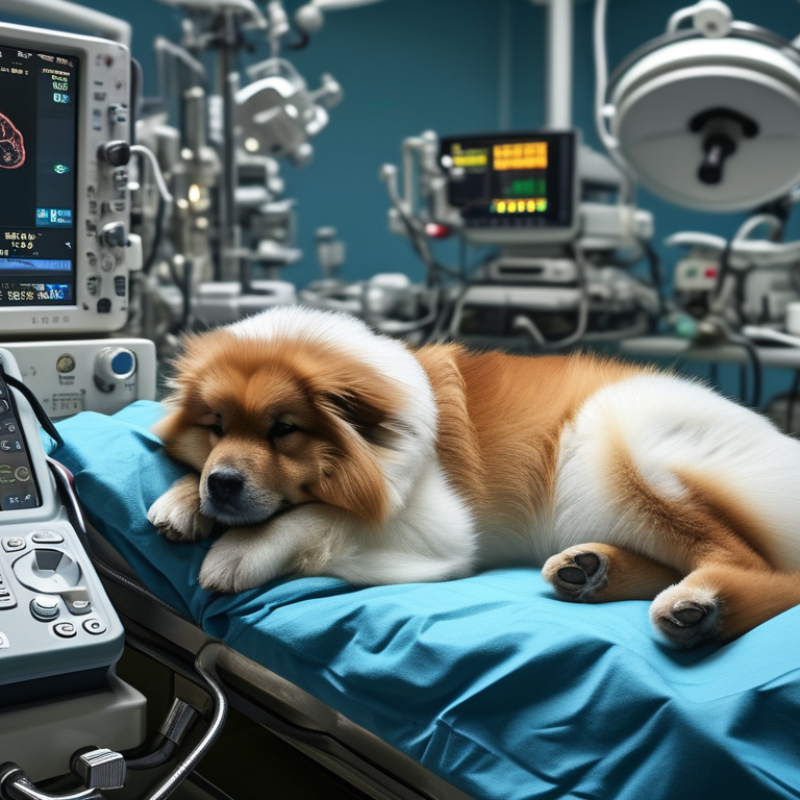
Why Monitoring is Essential During Animal Surgery?

Importance of Monitoring in Animal Surgery

Monitoring during animal surgery is critical for ensuring patient safety and successful outcomes. When animals undergo surgery, their bodies react in unpredictable ways. Vital signs can change quickly, and any irregularity may signal a problem. Continuous monitoring helps detect these issues early, allowing prompt intervention.

In addition to watching heart rates and oxygen levels, it is essential to check body temperature and blood pressure. These factors can indicate the animal's response to anesthesia and surgical stress. Regular monitoring ensures that conditions remain stable. If a pet's heart rate is dropping or temperature is rising, veterinary staff can take immediate action.

Tips: Always keep a close eye on the animal's breathing patterns. Subtle changes can indicate distress. It's also vital to record monitoring data efficiently. Notes from each phase of the procedure enhance surgical accuracy. No monitoring method is perfect. Learning from past surgeries helps improve future practices. Being aware of potential mistakes is crucial for growth in any surgical field.

Types of Monitoring Techniques Used in Veterinary Practices

Monitoring during animal surgery is critical. Various techniques ensure that veterinary professionals can provide optimal care. Knowing which methods to use helps improve outcomes.

One common technique is ECG monitoring. It assesses the heart's electrical activity. According to a study, 86% of veterinary surgeries benefit from this form of monitoring. Keeping an eye on cardiac function can prevent complications.

Another important method is capnography. This evaluates the carbon dioxide levels in a patient's breath. Low levels can indicate inadequate ventilation. Reports show that capnography reduces the risk of respiratory issues by 40% during surgeries.

Tips for monitoring:
Always check the calibration of your devices before surgery. Train your team on recognizing alarm signals effectively. Remember, even with advanced technology, manual checks are beneficial. Sometimes, machines fail. A human touch can make a difference. Prioritize patient comfort and stability at all times. This may help reduce anxiety and improve surgical success rates.

Key Parameters to Monitor During Animal Surgery

Monitoring during animal surgery is critical for success and animal welfare. Key parameters to monitor include vital signs, anesthetic depth, and blood loss. According to a study published in the "Journal of the American Veterinary Medical Association," effective monitoring significantly reduces surgical complications. For instance, heart rates can fluctuate dramatically under anesthesia, necessitating constant observation.

Temperature regulation is another essential parameter. Hypothermia can occur quickly in anesthetized animals. Data from the American Animal Hospital Association indicates that keeping the body temperature stable can lower recovery times. Additionally, tracking respiratory rates helps assess anesthetic depth. A deep plane of anesthesia can affect the animal’s ability to respond to surgical stimuli.

Regular assessments during the procedure can reveal potential issues. It is common for blood loss to escalate unexpectedly. According to the American College of Veterinary Anesthesia and Analgesia, even minor blood loss can lead to serious complications if not addressed promptly. This need for immediate response highlights the importance of vigilance. Monitoring allows for timely interventions, reinforcing the ethics of responsible veterinary practice.

Monitoring Key Parameters During Animal Surgery

Monitoring crucial parameters such as heart rate, respiration rate, body temperature, blood pressure, and oxygen saturation during animal surgery is essential for ensuring the safety and well-being of the animal throughout the procedure. This chart displays average values for these parameters, helping veterinary professionals maintain optimal conditions.

Benefits of Real-Time Monitoring for Animal Patients

Real-time monitoring during animal surgery plays a crucial role in improving patient outcomes. Studies show that continuous monitoring can decrease surgical complications by 30%. This statistic underscores the importance of keeping a close watch on vital signs. Parameters like heart rate, blood pressure, and oxygen saturation are critical. They can fluctuate quickly during procedures, affecting the animal's safety.

Veterinary professionals highlight that immediate feedback enables prompt interventions. For instance, if an animal's heart rate becomes irregular, anesthetists can adjust the anesthesia levels. This proactive approach reduces the risk of long-term health issues. However, not all veterinary practices utilize advanced monitoring technologies. Many facilities lack resources or training, leading to potential gaps in care during surgery.

Data indicates that only about 40% of veterinary clinics employ comprehensive monitoring systems. This disparity may stem from costs or a lack of awareness about its benefits. Professionals must reflect on these deficiencies. Improved monitoring techniques can find advancements through ongoing education and investment in technology. Embracing real-time monitoring can save lives and enhance the overall quality of care.

Challenges and Solutions in Surgical Monitoring for Animals

Monitoring during animal surgery is crucial. It ensures the safety and well-being of the patient. However, several challenges exist in surgical monitoring. The variability in animal responses can complicate the situation. Each species has different reactions to anesthesia and pain. This variability requires skilled professionals who understand individual needs.

One common challenge is the equipment itself. Many monitoring devices are designed for humans, making them less effective for animals. Adjustments must be made to ensure accurate readings. For example, improper cuff sizes may lead to incorrect blood pressure measurements. This is a significant risk when monitoring a patient’s vital signs.

Tips: Use species-specific monitoring devices whenever possible. Regularly calibrate equipment to maintain accuracy. Observing behavioral cues during surgery can also provide valuable insights. It's essential to stay adaptable. Sometimes, unexpected events occur during surgery, requiring instant decisions. Embracing these moments as learning opportunities can improve future surgeries and enhance skills.

Why Monitoring is Essential During Animal Surgery? - Challenges and Solutions in Surgical Monitoring for Animals

Parameter Importance Challenges Solutions
Heart Rate Indicates cardiac function and anesthesia depth Variability in heart rates among different species Use species-specific baseline data for comparison
Respiratory Rate Monitors oxygenation and ventilation adequacy Difficult to measure in some small animals Employ advanced monitoring techniques, e.g. capnography
Blood Pressure Maintains organ perfusion during surgery Invasive measurements can increase risk Utilize non-invasive methods for stable animals
Body Temperature Prevents hypothermia and hyperthermia Environmental factors affecting temperature Use warming devices and monitor ambient conditions
Oxygen Saturation Reflects respiratory efficiency and circulatory status Interference from motion or pigmentation Ensure stable positioning and select appropriate sensors

FAQS

: Why is monitoring important during animal surgery?

: Monitoring is vital for patient safety and successful outcomes during surgery. It detects vital sign changes early.

What vital signs should be monitored?

Heart rate, oxygen levels, body temperature, and blood pressure are crucial. They indicate the animal’s response.

How can monitoring prevent complications?

Continuous monitoring can decrease surgical complications by 30%. Immediate feedback allows prompt intervention when needed.

What should be watched closely during surgery?

Breathing patterns are essential. Subtle changes can suggest distress or complications that require immediate attention.

How does monitoring data improve surgical accuracy?

Recording notes from each procedure phase enhances accuracy. It helps veterinary staff make informed decisions.

Are all veterinary practices utilizing advanced monitoring?

Not all clinics have advanced monitoring. About 40% use comprehensive systems, leaving gaps in care.

What can veterinary professionals do about monitoring deficiencies?

Reflection on current practices is vital. Ongoing education and investment in technology can improve outcomes.

What happens if a vital sign becomes irregular?

If irregularities occur, veterinary staff can adjust anesthesia levels or take other actions to ensure safety.

Why isn’t advanced monitoring used everywhere?

Costs and lack of awareness about benefits hinder the use of advanced monitoring in many veterinary facilities.

What is the role of learning from past surgeries?

Learning from previous surgeries helps improve future practices. Acknowledging mistakes is crucial for growth.

Conclusion

Monitoring is critical during animal surgery for several reasons. First, it ensures the safety and well-being of the patient by allowing veterinary professionals to track vital signs and detect any abnormalities in real time. This includes monitoring key parameters such as heart rate, respiratory rate, and temperature, which are essential for assessing the animal's physiological state throughout the procedure. Various monitoring techniques, including electronic devices and manual observation, enhance the accuracy of these assessments.

Moreover, real-time monitoring offers significant benefits by facilitating prompt interventions if any issues arise, thereby reducing the risk of complications. Despite the challenges associated with surgical monitoring, such as equipment limitations and varying animal responses, effective solutions are available. Ultimately, understanding why is monitoring critical during animal surgery underscores its role in delivering safe and effective veterinary care, thus ensuring positive outcomes for animal patients.

Ethan

Ethan

Ethan is a seasoned marketing professional with a deep expertise in our company's innovative product line. With a passion for sharing knowledge and insights, he takes the lead in regularly updating our corporate blog, where he explores industry trends, product features, and effective marketing......