How to Improve Diagnostic Accuracy in Animal Healthcare?

Time:2026-04-01 Author:Sophia
0%

In the field of veterinary medicine, achieving high diagnostic accuracy is crucial for effective animal healthcare. Dr. Emily Roberts, a leading veterinary diagnostic specialist, emphasizes, "Accurate diagnosis is the cornerstone of successful treatment." This statement underscores the importance of reliable diagnostic methods.

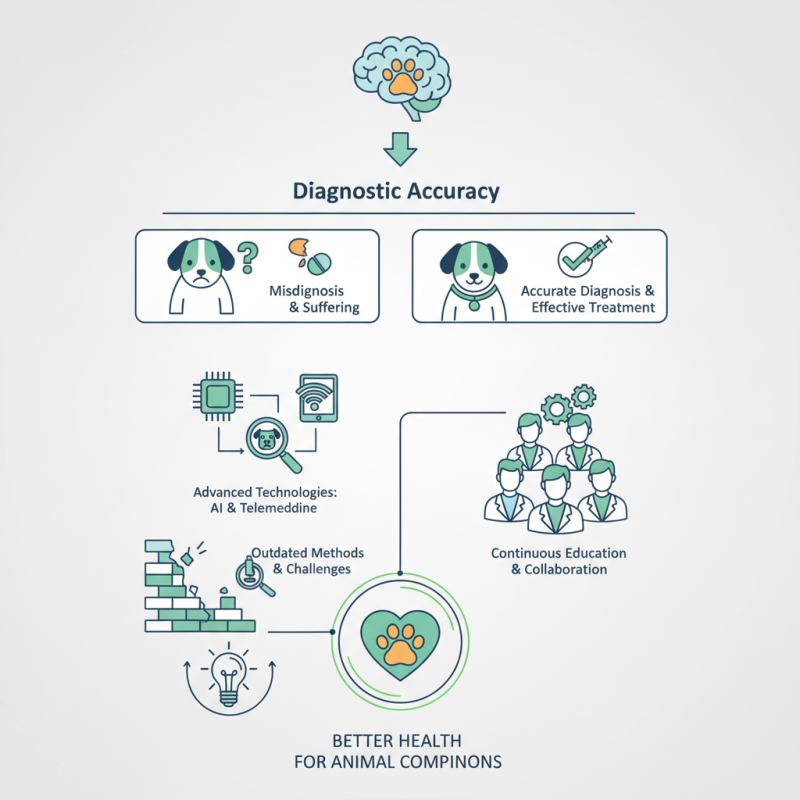
Diagnostic accuracy directly impacts the health outcomes of animals. Misdiagnoses can lead to inappropriate treatments, prolonging suffering. To truly understand how to improve diagnostic accuracy in animal healthcare, we must explore advanced technologies and techniques. Integrating tools like artificial intelligence and telemedicine can enhance our diagnostic capabilities.

However, challenges remain. Many clinics still rely on outdated methods. This reliance on traditional practices can hinder progress. Continuous education and collaboration among professionals are essential for development. Reflecting on current practices allows for improvement and innovation. Enhancing diagnostic accuracy is a shared responsibility within the veterinary community. The goal is clear: better health for our animal companions.
How to Improve Diagnostic Accuracy in Animal Healthcare?

Strategies for Implementing Advanced Diagnostic Technologies in Vet Clinics

Advanced diagnostic technologies in veterinary clinics are essential for improving animal healthcare. Implementing these technologies can enhance diagnostic accuracy significantly. A 2021 report from the American Veterinary Medical Association indicated that clinics utilizing advanced imaging techniques saw a 30% increase in accurate diagnoses. This is crucial for timely and effective treatment.

Integration of technologies such as ultrasound and digital radiography offers numerous benefits. These tools provide clearer images and more detailed insights into animal health. However, not all clinics have adopted these technologies. A survey revealed that 45% of vets felt overwhelmed by technology changes. They expressed the need for more training and support.

Training staff on these advanced systems is key. Engaged teams that understand new tools can significantly boost diagnostic processes. Clinics should consider partnerships with tech companies for workshops. Despite these efforts, ongoing resistance to change exists. Practices must tackle this head-on, creating an environment receptive to innovation.

The Role of Artificial Intelligence in Enhancing Animal Disease Detection

Artificial intelligence (AI) is reshaping animal healthcare. It enhances diagnostics, making the process faster and more accurate. Many veterinarians now utilize AI systems to analyze data. These systems can detect patterns in images, such as X-rays or MRIs, that human eyes might miss. This ability can lead to earlier interventions and better outcomes for animals.

Despite advancements, challenges remain. AI systems require extensive and diverse data to train effectively. Inaccuracies can arise if the training data lacks representation. Additionally, while AI aids in diagnostics, it cannot replace the nuanced understanding of a trained veterinarian. The integration of AI must maintain a balance between technology and human expertise. Collaborations between AI specialists and animal health professionals are crucial for refining these systems.

The ethical considerations of AI use are also significant. Ensuring animal welfare must be a priority in every AI application. Misinterpretations or over-reliance on AI could lead to unintended harm. Continuous assessment is necessary to maintain trust in AI-driven solutions in veterinary medicine.

Best Practices for Training Veterinarians on Diagnostic Tools and Techniques

Training veterinarians on diagnostic tools and techniques is crucial for improving accuracy in animal healthcare. Recent studies suggest that nearly 30% of diagnostic errors in veterinary settings stem from inadequate training on specific tools. To bridge this gap, hands-on workshops and simulations can be vital. These experiences allow veterinarians to practice in realistic scenarios, enhancing their skills and confidence.

Tips for effective training include encouraging continuous education. Regular seminars on the latest diagnostic technologies can keep veterinarians informed. Peer mentoring also plays a significant role. Experienced veterinarians can share insights and best practices, fostering a culture of knowledge sharing.

Implementing case-based discussions can further deepen understanding. When veterinarians analyze real-life cases, they learn to apply diagnostic tools more effectively. This approach not only builds critical thinking skills but also helps in recognizing potential pitfalls in diagnostics. Emphasizing the need for reflection on missed diagnoses can improve future accuracy.

Improving Diagnostic Accuracy in Animal Healthcare

Integrating Telemedicine to Improve Access to Veterinary Diagnostics

Telemedicine is transforming veterinary diagnostics, addressing barriers in access and enhancing diagnostic accuracy. A recent study showed that up to 60% of pet owners experience challenges in reaching veterinary services, especially in rural areas. Telemedicine bridges this gap, allowing remote consultations and immediate guidance. This approach offers convenience, reducing travel stress for both pets and owners.

According to a survey by the American Animal Hospital Association, 75% of veterinarians agree that telemedicine can improve patient outcomes. However, there are challenges. Telehealth platforms often lack the necessary integration with diagnostic tools. This disconnection can delay accurate diagnoses. Additionally, not all pet owners are familiar with using technology. Overcoming this hurdle is vital for effective implementation.

There's also a need for standardization in telemedicine practices. Regulatory inconsistencies can create confusion for both veterinarians and clients. Each state has its own rules regarding remote care, which complicates the process. Professionals must advocate for clearer guidelines. Enhancing education on telemedicine can improve its acceptance among both veterinarians and pet owners, ensuring a better focus on animal health.

How to Improve Diagnostic Accuracy in Animal Healthcare? - Integrating Telemedicine to Improve Access to Veterinary Diagnostics

Aspect Traditional Method Telemedicine Integration Impact on Diagnostic Accuracy
Speed of Diagnosis 72 hours Immediate via virtual consultation Increased accuracy due to prompt follow-ups
Accessibility Limited to local facilities Available to remote areas Higher reach and potential for comprehensive diagnosis
Client Education In-person consultations Video calls with educational resources Better informed clients lead to proactive health measures
Follow-up Care In-person visits required Continuous remote monitoring Consistent care reduces risks of complications
Cost Effectiveness Higher travel and facility costs Reduced logistics expenses More accessible services for diverse clientele

Leveraging Data Analytics for Accurate Diagnosis in Animal Health Management

Harnessing data analytics can dramatically enhance diagnostic accuracy in animal healthcare. By analyzing historical health records, veterinarians can identify trends and potential health risks. Predictive models can suggest likely conditions based on symptoms, improving diagnosis speed and precision. For instance, if a dog presents certain symptoms, data analytics can quickly cross-reference past cases to highlight potential diseases.

However, the integration of data analytics presents challenges. Data quality is crucial. Inaccurate or incomplete records can lead to misdiagnoses. Training veterinarians to interpret these analytics effectively is essential. Even with advanced tools, human oversight remains vital. A highly sophisticated algorithm might still suggest an incorrect diagnosis if the input data is flawed. This reliance on technology requires ongoing education for practitioners to ensure they remain adept at using analytics responsibly.

Reflection is important in this evolving landscape. Veterinary professionals must continuously assess their methods and outcomes. Embracing data analytics does not replace their expertise; it complements it. The goal is to create a symbiotic relationship between technology and human knowledge for the best possible animal health management.

FAQS

: What are the benefits of advanced diagnostic technologies in veterinary clinics?

: They significantly improve diagnostic accuracy and enhance treatment effectiveness. Clearer images provide more insights into animal health.

Why have many clinics not adopted advanced technologies?

Many vets feel overwhelmed by changes and request more training and support to implement these technologies effectively.

How important is staff training for advanced diagnostic systems?

Training is crucial. Engaged staff using new tools can boost the diagnostic process and improve outcomes for animals.

What role does artificial intelligence play in veterinary diagnostics?

AI enhances diagnostics by analyzing data to detect patterns often missed by humans, leading to earlier interventions.

What challenges do AI systems face in veterinary practices?

AI requires extensive, diverse training data. Misrepresentative data can cause inaccuracies and must be addressed carefully.

How does telemedicine improve access to veterinary diagnostics?

Telemedicine allows remote consultations, addressing access barriers, especially in rural areas. It reduces stress for pets and owners.

What obstacles exist with telemedicine implementation?

Many platforms lack integration with diagnostic tools. Additionally, some pet owners struggle to use technology effectively.

Why is standardization in telemedicine practices necessary?

Regulatory inconsistencies can confuse veterinarians and clients. Clearer guidelines and education can enhance telemedicine use.

What ethical considerations surround AI use in veterinary medicine?

Ensuring animal welfare is crucial. Over-reliance on AI can lead to misinterpretations and potential harm to animals.

How can collaborations improve AI systems in veterinary care?

Partnerships between AI experts and veterinarians are essential for refining AI applications, balancing technology and human expertise.

Conclusion

The article explores various strategies on how to improve diagnostic accuracy in animal healthcare, emphasizing the implementation of advanced diagnostic technologies within veterinary clinics. It highlights the significant role of artificial intelligence in enhancing the detection of animal diseases, making diagnoses more efficient and accurate.

Additionally, the article discusses best practices for training veterinarians in the use of modern diagnostic tools and techniques, ensuring they are well-equipped to utilize the latest innovations. Integrating telemedicine is also presented as a vital approach to improving access to veterinary diagnostics, particularly in remote areas. Finally, leveraging data analytics is underscored as a means to enhance diagnosis accuracy, enabling better health management for animals.

Sophia

Sophia

Sophia is a dedicated marketing professional with an exceptional depth of knowledge about her company's products and services. With a keen understanding of market trends and customer needs, she crafts insightful blog posts that not only inform but also engage readers, enriching the company’s online......