Veterinary practices today face significant challenges. Reports indicate that over 70% of veterinary clinics struggle with time management and operational efficiency. This issue can lead to reduced patient care quality and insatisfied pet owners. Understanding how to improve efficiency in veterinary practices is essential to enhance service delivery.
Utilizing technology is one way to boost efficiency. Electronic health records streamline patient information management. This not only saves time but also reduces errors in medical documentation. Additionally, effective staff training plays a vital role. Unfortunately, many practices overlook the importance of continuous professional development. As a result, team members may not operate at their full potential.
Reflecting on current practices is crucial. Many clinics rely on outdated processes that hinder productivity. The key lies in adopting modern strategies. Exploring innovative solutions can identify areas needing improvement. Only by evaluating existing methods can veterinary practices thrive in a competitive environment.
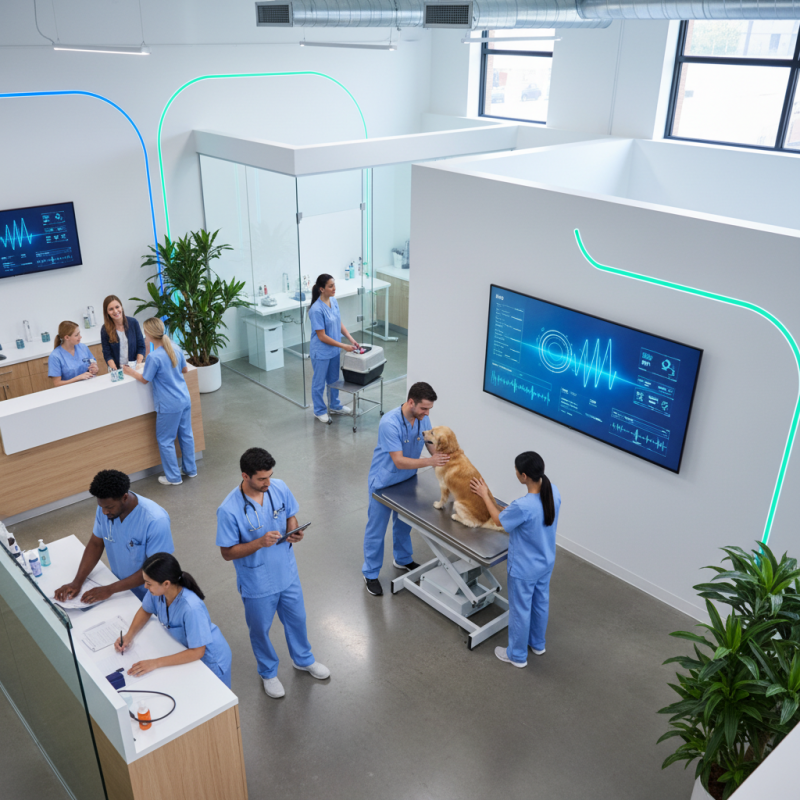
Identifying key areas for improving efficiency in veterinary practices is essential for enhancing patient care and business success. One major area is appointment scheduling. Many clinics struggle with overbooking or underutilization. A streamlined scheduling system can help manage time effectively while reducing stress for both staff and clients. This adjustment can lead to smoother operations and happier pet owners.
Another important aspect is communication. Effective communication among staff members can play a significant role in improving efficiency. Regular team meetings can foster a culture of collaboration. However, some practices may find this challenging due to busy schedules. Implementing simple tools like internal messaging apps might help bridge communication gaps.
Lastly, inventory management deserves attention. Keeping track of supplies can prevent unnecessary delays. A lack of tracking often leads to stockouts or excess waste. Using digital inventory systems can simplify this process. Yet, it requires training and adaptation from the team. Reflecting on these areas can unveil opportunities for growth, allowing practices to operate more efficiently.
| Key Area | Current Efficiency (%) | Target Efficiency (%) | Improvement Strategies |
|---|---|---|---|
| Client Communication | 70 | 85 | Implement online booking system and automated reminders |
| Inventory Management | 60 | 80 | Utilize inventory management software for tracking |
| Staff Workflow | 65 | 90 | Standardize protocols and provide staff training |
| Appointment Scheduling | 75 | 90 | Adopt practice management software to optimize bookings |
| Customer Follow-up | 50 | 75 | Implement automated follow-up emails |
In the fast-evolving world of veterinary practices, advanced technologies play a crucial role in enhancing efficiency. According to a recent report by the American Veterinary Medical Association, practices that adopted digital tools experienced a 20% increase in operational efficiency. Implementing electronic health records allows for streamlined patient management, reducing time spent on paperwork. Moreover, telemedicine tools enable veterinarians to consult with clients remotely, saving time for both parties.
Automation is another area where veterinary practices can see significant improvements. Automated appointment reminders and follow-up messages can reduce no-shows by 30%. However, some practices struggle with integrating these tools. Staff may require additional training to utilize the technology effectively. This adjustment period can create initial disruptions, prompting discussions on workflow practices and staff roles.
Investing in advanced veterinary imaging technologies enhances diagnostics but comes at a cost. Although, a study indicates that practices utilizing digital radiography see a 25% increase in diagnostic accuracy. The challenge lies in balancing the initial investment with long-term benefits. Overcoming these hurdles can lead to more efficient operations and better patient care.
In veterinary practices, enhancing staff training is crucial for improving overall efficiency. Focused training sessions can address specific skill gaps. This not only improves individual performance but also fosters teamwork. An engaging approach encourages better collaboration among staff. Regular workshops can solidify knowledge and boost morale. These sessions can introduce newer techniques and protocols to ensure best practices.
Mentorship programs are also beneficial. Pairing experienced veterinarians with newcomers creates a supportive environment. This relationship allows for hands-on learning and builds confidence. Additionally, it's essential to evaluate the training's effectiveness regularly. Feedback from staff on training programs can identify areas needing improvement. A dynamic training program should incorporate their insights.
Consider the importance of mental well-being too. Stress can significantly affect performance. Implementing stress management workshops can enhance focus and productivity. Open discussions about work challenges can promote a healthy workplace culture. Regular check-ins with staff can provide valuable insights into their needs and experiences. Balancing professional and personal growth is key to retaining talent in the veterinary field.
Effective appointment scheduling can transform a veterinary practice. For many clinics, this is often a daunting task. Utilizing online scheduling tools can streamline the process. Clients enjoy the convenience of booking from their devices. It reduces phone call chaos and allows staff to focus on in-clinic responsibilities.
Client management systems play a crucial role too. Maintaining accurate records is fundamental for efficiency. Yet, many practices struggle with inconsistent documentation. Regular training can enhance staff proficiency in using these systems. Consider holding monthly workshops to tackle common challenges. Encouraging team feedback can help refine processes, revealing areas needing attention.
Communication is key, both with clients and within the team. Automated reminders can decrease no-shows significantly. However, some clients may still forget appointments. Understanding their reasons can help improve reminder strategies. This reflection ensures the systems are truly client-centric while also enhancing practice efficiency.
In today's competitive veterinary landscape, measuring efficiency is crucial. Performance metrics provide a framework to evaluate how well a practice operates. According to a recent study by the American Animal Hospital Association, practices that utilize performance metrics can improve their overall efficiency by up to 30%. These metrics often focus on key areas such as client satisfaction, staff productivity, and operational costs.
Tracking client wait times can unveil inefficiencies. For instance, if clients wait longer than 15 minutes, it can lead to dissatisfaction. A clinic that reduced its average wait time to under 10 minutes saw a 20% increase in client retention. Additionally, measuring diagnostic turnaround times can highlight how quickly a practice is delivering care. Practices that optimized these processes reported higher profitability.
Furthermore, staff engagement plays a significant role in efficiency. According to the Veterinary Management Group, engaged employees can boost productivity by as much as 17%. Regularly reviewing employee performance through metrics can help identify strengths and areas for improvement. However, it's essential to address potential burnout. Metrics can reveal high turnover rates, prompting a reflection on workplace culture and support systems. Fostering an environment focused on both performance and well-being can lead to meaningful gains in efficiency.
: Advanced technologies improve operational efficiency, with a 20% increase reported when digital tools are used.
They streamline patient management, significantly reducing time spent on paperwork.
Telemedicine enables remote consultations, saving time for veterinarians and clients both.
Automated reminders can cut no-show rates by 30%, enhancing overall scheduling efficiency.
Integration may require training, which can disrupt workflow and staff roles initially.
Advanced imaging increases diagnostic accuracy by 25%, though it requires a careful cost-benefit analysis.
They measure efficiency and highlight areas like client satisfaction and staff productivity.
Reducing wait times to under 10 minutes can lead to a 20% increase in retaining clients.
Engaged staff can increase productivity by 17%, but burnout must be managed.
It may signal workplace issues, prompting reflection on support and culture within the team.
To address the question of how to improve efficiency in veterinary practices, it is crucial to first identify key areas that require enhancement. This includes analyzing workflows, client interactions, and operational procedures. By implementing advanced technologies, practices can streamline their operations, minimizing administrative burdens and improving service delivery. Additionally, investing in staff training and development fosters better performance and increases employee satisfaction, which contributes to overall efficiency.
Furthermore, optimizing appointment scheduling and client management systems can significantly reduce wait times and improve client experiences. Regularly evaluating performance metrics allows practices to measure efficiency gains effectively, ensuring continuous improvement. By focusing on these strategies, veterinary practices can create a more efficient, productive environment that benefits both staff and clients alike.

Petovira Animal