Best 7 Tips to Reduce Risks in Animal Anesthesia Procedures?

Time:2026-05-07 Author:Ethan
0%

In the critical field of veterinary medicine, the challenges of animal anesthesia require attention and expertise. Dr. Emily Carter, a renowned veterinary anesthesiologist, emphasizes, "Minimizing risks during anesthesia is paramount for patient safety." Understanding how to reduce risks in animal anesthesia procedures is vital for veterinarians and pet owners alike. Striking a balance between effective sedation and patient welfare is the core of every procedure.

Anesthesia in animals can be daunting. Each patient presents unique physiological challenges. Factors such as age, weight, and pre-existing health issues greatly affect outcomes. For example, elderly pets might not handle anesthesia as well as younger ones, requiring tailored approaches. Using appropriate monitoring equipment and techniques can make a significant difference. Each decision made during the process carries implications.

Veterinarians must continually reflect on their anesthesia practices. Regular training and knowledge updates are essential. Sharing experiences and learning from past procedures can help build a culture of safety. Employing these considerations not only enhances outcomes but also fosters trust between veterinarians and pet owners. Prioritizing animal welfare is always the ultimate goal.
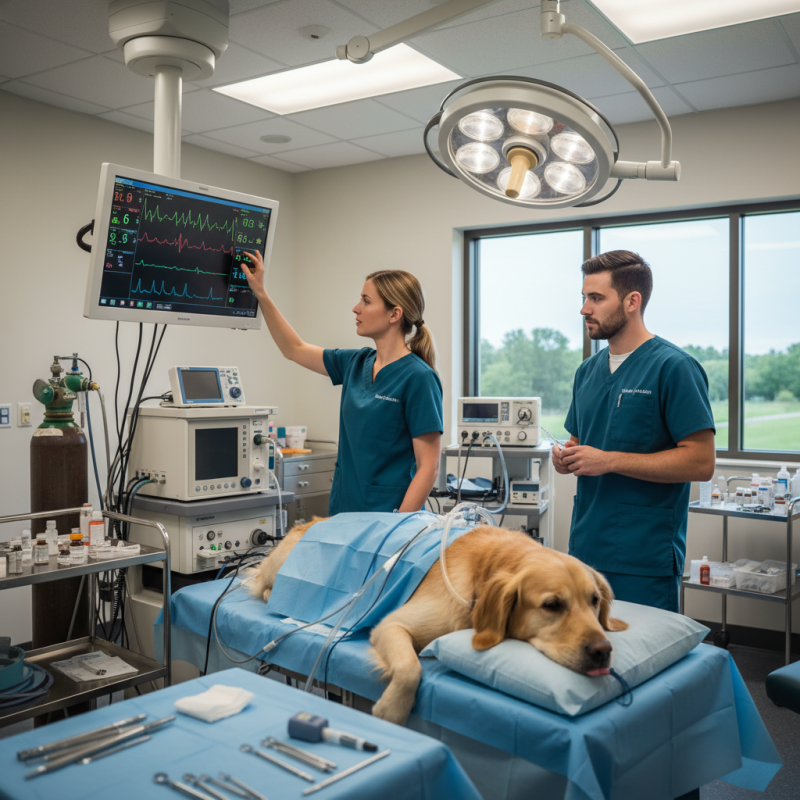
Best 7 Tips to Reduce Risks in Animal Anesthesia Procedures?

Best Practices for Pre-Anesthesia Assessment in Animals

A thorough pre-anesthesia assessment in animals is crucial for minimizing risks. It begins with a comprehensive medical history. Gather information about previous surgeries, allergies, and current medications. This step helps identify potential complications. A physical examination is also essential. It assesses the animal’s vital signs, weight, and physical condition. Observing any abnormal behaviors provides additional insights into their health status.

Laboratory tests are often overlooked but hold significant value. Blood tests can reveal underlying conditions that might complicate anesthesia. Electrolyte imbalances, for instance, can lead to severe reactions. It’s important to analyze these results carefully. Communication with pet owners also plays a vital role. Clear conversations allow for a better understanding of the animal's specific needs.

While guidelines exist, every case is unique. Not every animal will respond predictably to anesthesia. There might be unexpected reactions. This variability requires constant vigilance and adaptability from veterinary professionals. Reflecting on past experiences can enhance future assessments. Ongoing training and learning are essential for maintaining high standards of care.

Understanding the Importance of Patient History and Physical Exams

In animal anesthesia, understanding patient history is crucial. Each animal is unique and may respond differently to anesthesia. Past medical records provide insight into previous surgeries, reactions to medications, and underlying health issues. This information helps in formulating a tailored anesthesia plan. A dog with a heart condition needs special consideration compared to a healthy pup.

Physical exams complement patient history. A thorough examination reveals important details. Observing vital signs such as heart rate and respiratory function is vital. Listening to heartbeats can uncover irregularities that may complicate anesthesia. Visual assessments for any abnormalities are equally important. Missing subtle signs could lead to serious consequences.

Veterinarians often face challenges in obtaining complete patient histories. Some owners may not remember all relevant details. In these moments, relying on physical exams becomes essential. While not foolproof, they provide a clearer picture of the patient’s health. Striking a balance between history and examination is key. It's a process of continual learning and adjustment for better outcomes.

Monitoring Techniques to Enhance Safety During Anesthesia

Monitoring techniques play a vital role in enhancing the safety of anesthesia in animals. Continuous monitoring of vital signs is crucial during procedures. According to a study published in the Journal of Veterinary Anesthesia and Analgesia, 32% of anesthesia-related complications are due to inadequate monitoring. This highlights the need for vigilance.

Using a multiparameter monitor can provide real-time data on heart rate, blood pressure, and oxygen saturation. These parameters help veterinarians make informed decisions. Anesthesia depth should also be assessed using tools like capnography, which measures CO2 levels. A report from the American Animal Hospital Association states that high-quality monitoring reduces morbidity rates by 35%.

Despite these advancements, not all facilities may have access to cutting-edge technology. A survey found that only 58% of practices used electronic monitoring devices consistently. This inconsistency raises questions about our preparedness. Furthermore, relying solely on machines can lead to overlooked signs of distress. Clinical experience remains essential in interpreting data and ensuring a complete evaluation of the animal’s condition.

Using Appropriate Dosages Based on Species-Specific Data

Anesthesia in animals requires careful consideration of species-specific data. Not all animals react to anesthetics in the same way, making dosages critical. For instance, small pets like hamsters may need far lower doses than larger breeds of dogs. Accurate dosages reflect the animal's metabolism, age, and overall health. This ensures safety and efficacy during procedures.

One effective tip is to consult updated veterinary guidelines for species-specific anesthesia. These guidelines are based on research and clinical practices. They provide invaluable insights that help in estimating the right dosage. Monitoring the animal’s vital signs throughout the process is equally important. It allows the veterinary team to make real-time adjustments if needed.

It is essential to consider the procedures being performed. Different surgeries may require variations in anesthesia depth. Understanding these nuances can improve outcomes and minimize risks. Documenting each case can help refine future practices. Reflection on past anesthesia approaches reveals areas for improvement. This ongoing evaluation promotes safer anesthesia for all species.

Post-Operative Care: Reducing Risks of Complications in Recovery

Post-operative care is crucial in reducing complications during recovery from anesthesia in animals. After surgery, monitoring is essential. Keep animals in a calm environment. Limit noise and activity to decrease stress. Check vital signs regularly. This includes heart rate, temperature, and breathing patterns. Any significant changes should be addressed immediately.

Hydration plays a vital role. Ensure that fluids are administered as needed. Dehydration can lead to severe complications. Provide a comfortable space to recover. Soft bedding and a familiar scent can ease anxiety. Some animals may need assistance when regaining mobility. Watch for signs of discomfort, such as whining or restlessness.

Educate pet owners about signs of potential complications. These can include excessive swelling, bleeding, or difficulty breathing. It’s important to give clear instructions on post-operative care. Sometimes, despite the best efforts, things may not go as planned. Reflecting on each case can provide essential learning experiences for future procedures. Every recovery is unique, and tailored approaches will often yield the best outcomes.

FAQS

: Why is a pre-anesthesia assessment important for animals?

: A thorough assessment minimizes risks by gathering medical history and conducting a physical exam.

What details should be included in a medical history?

Previous surgeries, allergies, and current medications are key details to collect.

How do laboratory tests contribute to safety?

Blood tests can reveal conditions that complicate anesthesia, such as electrolyte imbalances.

How can pet owners assist during the assessment?

Open communication helps veterinarians understand the animal's needs better.

Why are dosages critical in administering anesthesia?

Different species metabolize anesthetics differently, affecting safety and efficacy.

What role do updated guidelines play in anesthesia?

They provide insights for determining accurate dosages based on species-specific data.

How can post-operative care reduce complications?

Monitoring vital signs and keeping a calm environment are essential for safe recovery.

What signs should pet owners watch for post-surgery?

Excessive swelling, bleeding, or difficulty breathing are signs of potential complications.

Why is hydration important after surgery?

Dehydration can lead to serious complications, so proper fluid administration is vital.

How can reflecting on past experiences improve practices?

Reflecting helps identify areas for improvement in assessments and anesthesia processes.

Conclusion

Reducing risks in animal anesthesia procedures is crucial for ensuring the safety and well-being of veterinary patients. One of the best practices begins with a thorough pre-anesthesia assessment, which includes obtaining detailed patient history and conducting comprehensive physical examinations. Understanding an animal’s unique characteristics and medical background allows for tailored anesthesia plans that enhance safety.

In addition, utilizing appropriate monitoring techniques during the anesthesia process is vital to identify and respond to any changes in the animal's condition promptly. Administering species-specific dosages based on reliable data minimizes the risk of overdose or underdose. Finally, diligent post-operative care is essential to monitor recovery and address any potential complications, ensuring a smoother transition back to health. By implementing these strategies, veterinarians can effectively learn how to reduce risks in animal anesthesia procedures, leading to safer outcomes for their patients.

Ethan

Ethan

Ethan is a seasoned marketing professional with a deep expertise in our company's innovative product line. With a passion for sharing knowledge and insights, he takes the lead in regularly updating our corporate blog, where he explores industry trends, product features, and effective marketing......