Monitoring animal treatment is not merely a record-keeping task. It is a practical way to notice pain, fear, illness, and recovery before problems become severe. So, what is the importance of monitoring in animal treatment? It helps veterinary teams evaluate whether care is working and whether each animal receives suitable support.
Dr. Temple Grandin, a leading animal-welfare scientist, said, “People need to learn to see the world through the eyes of the animal.” Her words matter in daily practice. A quiet dog may avoid eye contact, refuse food, or breathe faster than usual. A recovering horse may shift weight repeatedly beside its stall wall. These details can guide timely clinical decisions. Small signs matter.
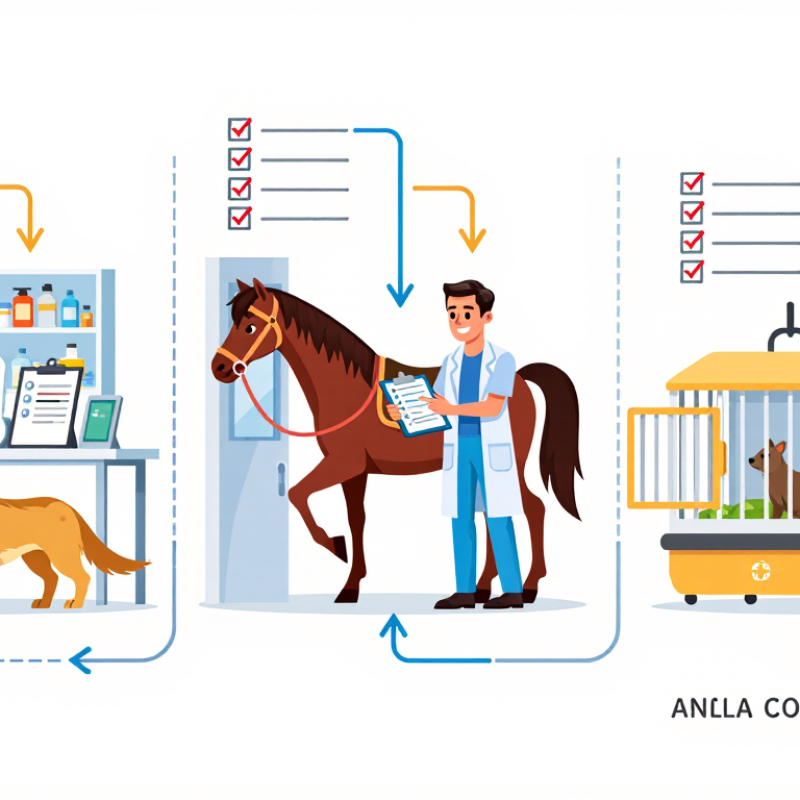
Effective monitoring combines direct observation, accurate records, veterinary examinations, and careful communication. Temperature, appetite, mobility, wound condition, medication responses, and behavior should be checked consistently. Staff should also record changes clearly, rather than relying on memory. That sounds simple. It is not always simple.
A strong monitoring process respects species differences and individual histories. It also protects animal welfare by reducing overlooked discomfort and delayed treatment. However, no checklist is perfect. Human judgment can miss subtle signals, especially during busy shifts. Regular training, peer review, and honest reflection can improve reliability. Even experienced caregivers should question assumptions and reassess outcomes. The best systems remain compassionate, evidence-informed, and flexible enough to respond when an animal communicates distress in an unexpected way.
Disease can quietly reduce animal production long before a problem becomes obvious. The World Organisation for Animal Health (WOAH) estimates that 20% of animal production is lost to disease worldwide. This figure is a warning, not a prediction for every farm. Local risks vary with species, climate, housing, and access to veterinary care. A baseline helps turn that broad estimate into useful questions about one herd or flock.
Tip: Record normal conditions before illness appears. Note feed intake, water use, body weight, milk or egg output, and common behavior. Use the same measures and schedule each time. A simple log beside the feed room can reveal a slow drop that memory misses. Compare records across seasons, too; heat may change intake without signaling infection. Keep the data consistent. That sounds obvious, but busy weeks make it easy to skip entries.
Tip: Check patterns, not just single animals. Several animals eating less, coughing, or gaining weight slowly may point to a shared issue. Record dates and observations, then discuss concerning changes with a qualified veterinarian. Monitoring cannot diagnose disease by itself. Nor does a tidy spreadsheet guarantee healthier animals. Baselines need review as animals age, diets change, or housing shifts. I would be cautious about treating any single number as a verdict; context matters.
Records show which animal groups receive medicines, for what conditions, and how often. Repeated use may need veterinary review. Monitoring should not delay necessary care.
A major global analysis estimated 1.27 million deaths. A stark figure, though it cannot explain every local case.
Note the animal group, diagnosis, medicine class, dose, and treatment dates. Temperature, appetite, behavior, and response add useful context. Small details matter.
Watch for sudden fever, breathing difficulty, neurological signs, unusual deaths, or repeated treatment failure. Record what changed and when.
One severe sign should prompt veterinary review. Two linked signs, or illness across animals and people, calls for urgent public-health consultation.
No. They are warning signals, not a diagnosis. Treating every alert as proof can cause fatigue.
Enter details promptly and review triggers weekly. A rushed note after a long shift may miss a dose or symptom. Gaps still happen.
No. Sick animals need timely care from qualified professionals. Records support follow-up and may reveal where hygiene or better diagnosis could reduce repeat treatment.
A coughing calf, shared water trough, and exposed handler may form one risk pattern. It deserves review, but the records may still be incomplete.
Monitoring animal treatment is essential for protecting animal welfare, improving recovery, and reducing preventable losses. Establishing clear health baselines helps caregivers recognize changes early; the World Organisation for Animal Health estimates that disease accounts for about 20% of lost animal production. Consistent daily checks should record treatment dose and timing alongside vital signs, behavior, and signs of comfort or distress. These records make it easier to evaluate whether care is helping and to identify concerns that require prompt attention.
A thoughtful monitoring plan also supports responsible antimicrobial use and helps limit the risks associated with resistance. The World Health Organization attributed 1.27 million deaths in 2019 to antimicrobial resistance, while the Centers for Disease Control and Prevention reports that three in four emerging infectious diseases in people originate in animals. Set clear escalation triggers for worsening symptoms, review treatment outcomes, and compare them with relevant antimicrobial-use reports. Together, these steps explain what is the importance of monitoring in animal treatment: timely decisions, better-informed care, and stronger protection for animal and public health.

 Petovira Animal