Why Should Veterinary Equipment Meet Global Standards?

Time:2026-10-19 Author:Madeline
0%

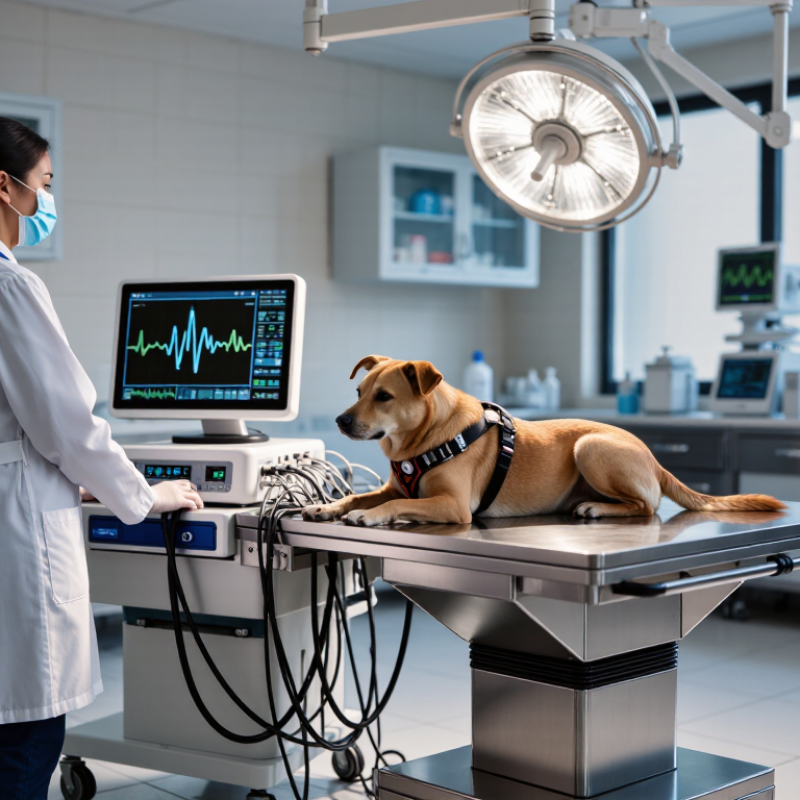
Veterinary equipment works where precision, speed, and animal welfare meet. A monitoring device may sit beside a wet examination table, exposed to disinfectants, fur, blood, and constant movement. If its readings drift, a veterinarian may miss a dangerous change in heart rate or oxygen levels. Global standards help reduce these avoidable risks. They also give clinics and manufacturers a shared language for safety, testing, maintenance, and quality control.

The practical question is not simply which standards should veterinary equipment meet. It is how those standards apply to each device, animal species, clinical setting, and level of risk. ISO 13485 can support a reliable medical-device quality system. ISO 14971 helps manufacturers identify and control foreseeable hazards. Electrical equipment may also require relevant IEC 60601 requirements, while materials contacting tissue may need biocompatibility evaluation under ISO 10993. These references do not replace regional regulatory requirements. They work alongside them.

Standards build trust.

In practice, certified equipment still needs trained users, clear instructions, calibration, cleaning, and documented maintenance. A compliant infusion pump can perform poorly when staff misunderstand an alarm or overlook a damaged cable. This point deserves honest attention. Standards cannot predict every emergency, and paperwork cannot replace clinical judgment. Veterinary teams should examine test evidence, supplier competence, service support, and real-world usability before purchase. The strongest equipment combines recognized standards with careful observation at the treatment table. That combination protects animals, supports professionals, and makes quality measurable across borders.
Why Should Veterinary Equipment Meet Global Standards?

What Global Standards Mean for Veterinary Equipment

Global standards give veterinary equipment a shared language for safety, performance, and quality. They define how devices should be designed, tested, cleaned, labeled, and maintained. In a busy clinic, this matters when a monitor reads oxygen levels or a surgical light stays stable. A standard does not guarantee perfection. It creates measurable expectations.

Veterinary teams often rely on technical documents, calibration records, and service histories. These details support safer decisions during anesthesia, imaging, dental procedures, and recovery. Internationally recognized requirements can also improve training across borders. A technician who understands electrical safety, biological compatibility, and infection control can identify risks earlier. Small details matter. A loose cable, unclear alarm, or weak seal may affect patient care.

Reliable equipment should come with evidence, not impressive claims. Manufacturers and suppliers should explain test methods, intended use, maintenance intervals, and limitations. Independent assessment adds confidence, although it cannot replace clinical judgment. In real practice, staff may skip a check during an emergency. That is a human weakness, not a reason to abandon the process. Better workflows make the correct action easier, even when the clinic is tired or crowded. Standards also need regular review, because veterinary medicine changes and older assumptions can become inadequate.

How Standards Ensure Safety for Animals, Staff, and Owners

Veterinary equipment works where small errors can become serious injuries. A loose table lock, inaccurate scale, or poorly cleaned oxygen line can affect an animal within minutes. Global standards create measurable expectations for design, testing, maintenance, and user training. They also help clinics compare equipment using evidence rather than appearance or price.

Safety must include every person nearby. A nervous dog may move suddenly during imaging. A technician needs stable controls, clear alarms, and protective barriers. An owner may stand close, holding a carrier or waiting beside the treatment area. Standards can reduce electrical, mechanical, radiation, and infection risks through tested safeguards. They also support consistent cleaning procedures, which protect animals and staff from hidden contamination.

In daily practice, reliable teams check calibration records before using critical devices. They inspect cables, wheels, seals, and emergency switches. Training matters as much as the equipment itself. A standard cannot prevent every rushed decision or missed warning. We sometimes trust familiar tools too quickly. That habit deserves honest review. Clear instructions, routine drills, and documented repairs make safer actions easier under pressure. Independent testing and traceable records also strengthen confidence for clinic managers, veterinary professionals, and owners who need to understand how care is delivered.

Why Should Veterinary Equipment Meet Global Standards?

How standards ensure safety for animals, staff, and owners

International radiation-protection standards use dose limits to guide the design, shielding, operation, and quality control of veterinary X-ray areas. The occupational effective-dose limit is 20 mSv per year averaged over five years, while the public limit is 1 mSv per year. Lens and skin limits support additional protection for staff working near radiation equipment. Animal exposures should be justified and optimized using the ALARA principle: as low as reasonably achievable.

Reference values: International Commission on Radiological Protection recommendations and International Atomic Energy Agency General Safety Requirements, Part 3. Values shown are radiation-protection reference limits, not routine animal dose targets.

The Role of Standards in Equipment Quality and Performance

Why Should Veterinary Equipment Meet Global Standards?

Standards shape how veterinary equipment is designed, tested, and maintained. They connect quality with measurable performance, not attractive features alone. In practice, a dependable monitor should show stable readings during movement, vibration, and changing room temperatures. Clear standards also guide electrical safety, material selection, cleaning procedures, and software reliability.

Veterinary teams often work under pressure, with limited time to check every setting. Standardized controls reduce confusion between devices and support consistent training. Calibration records provide traceability when results appear unusual. Independent testing can reveal problems that routine users might miss. Still, compliance is not perfection. A checklist may pass while a daily workflow feels awkward. That gap deserves honest review. Equipment should fit real clinical habits, not only laboratory conditions.

Tips: Check certificates, test reports, calibration dates, and user instructions before purchase. Ask how performance changes after repeated cleaning and heavy use. Compare readings with a trusted reference device during scheduled checks. Record faults with dates, conditions, and corrective actions. Do not ignore small delays or unclear alarms; they may signal deeper design issues. When standards change, review staff training and maintenance procedures. Evidence from technicians and veterinarians can be as valuable as technical specifications.

Regulatory Requirements for Veterinary Equipment Manufacturers

Veterinary equipment manufacturers must treat regulation as a design requirement, not a final inspection task. Rules differ across markets, but most authorities expect documented safety, performance, and traceability. A manufacturer should define intended use, animal species, operating limits, and foreseeable misuse before building prototypes. For electrical devices, testing commonly addresses electrical safety, electromagnetic compatibility, software controls, and essential performance. Risk management should cover overheating, inaccurate readings, contaminated surfaces, and incorrect user decisions. Small details matter.

A quality system aligned with ISO 13485 can organize design controls, supplier checks, calibration records, and production release. ISO 14971 principles help teams identify hazards, estimate risk, and verify protective measures. Usability evidence is also important when nurses, technicians, or owners operate equipment under pressure. Labels need clear warnings, instructions, maintenance intervals, and storage conditions. Some regions require registration, conformity assessment, local representation, or market authorization before sale. These steps cannot be copied blindly.

Manufacturers also need post-market surveillance, complaint handling, corrective actions, and controlled design changes. A temperature probe that passes laboratory testing may drift in a busy clinic, especially after repeated cleaning. Real-world validation should include routine handling, power interruptions, transport vibration, and different animal sizes. Audits should examine evidence, not attractive folders. No system is flawless. Teams may discover missing records or unclear responsibilities. Admitting weaknesses early is more credible than hiding them. Consistent training, independent testing, and honest technical documentation support safer equipment across changing regulatory environments.

Why Should Veterinary Equipment Meet Global Standards? - Regulatory Requirements for Veterinary Equipment Manufacturers

Core regulatory and standards considerations for veterinary equipment manufacturers
Compliance Dimension Relevant Framework or Standard Typical Equipment Scope Practical Manufacturer Requirement Why It Matters
Quality management system ISO 13485:2016 Veterinary diagnostic, monitoring, imaging, surgical, and therapeutic devices Maintain documented design controls, supplier controls, production controls, corrective actions, complaint handling, and records appropriate to the product. Creates a consistent quality system and supports conformity assessments, audits, and regulatory inspections.
Risk management ISO 14971:2019 Equipment that can affect animal safety, operator safety, diagnosis, treatment, or clinical decisions Identify hazards, estimate and control risks, verify risk controls, and maintain a lifecycle risk-management file. Reduces foreseeable harm from electrical, mechanical, thermal, software, biological, and usability hazards.
Electrical safety IEC 60601-1 or IEC 61010-1, depending on equipment function Patient-connected equipment, laboratory analyzers, monitoring systems, and powered clinical instruments Perform applicable electrical safety testing, define essential performance, and document protection against shock, overheating, and mechanical hazards. Helps prevent electric shock, fire, inaccurate operation, and injury during clinical use.
Electromagnetic compatibility IEC 60601-1-2 and applicable regional EMC requirements Electronic monitors, imaging systems, infusion equipment, analyzers, and wireless-connected devices Evaluate emissions and immunity in realistic veterinary environments, including operating rooms, laboratories, and mobile clinics. Limits interference that could cause false readings, unexpected shutdowns, or unsafe treatment.
Biological safety ISO 10993 series Probes, catheters, electrodes, surgical instruments, sensors, and other patient-contacting components Characterize materials and assess biological risks based on contact type, contact duration, and the intended animal species. Supports control of irritation, sensitization, toxicity, and other material-related risks.
Cleaning and reprocessing ISO 17664-1:2021 Reusable surgical tools, endoscopic accessories, dental instruments, and patient-contacting equipment Provide validated or technically justified instructions for cleaning, disinfection, sterilization, drying, inspection, storage, and reuse limits. Reduces cross-contamination and helps veterinary facilities process reusable devices safely.
Usability and human factors IEC 62366-1:2015+A1:2020 Anesthesia systems, infusion systems, monitoring equipment, imaging controls, and software interfaces Analyze use-related risks and evaluate critical tasks with representative veterinary users, such as veterinarians and veterinary nurses. Helps reduce errors caused by confusing alarms, controls, displays, instructions, or workflow design.
Labeling and information supplied ISO 15223-1:2021 and ISO 20417:2021 Equipment labels, packaging, instructions for use, warnings, accessories, and software documentation State intended use, limitations, warnings, maintenance requirements, operating conditions, symbols, and relevant animal or operator precautions. Provides users with information needed to operate, maintain, clean, and dispose of equipment correctly.
Software and cybersecurity IEC 62304:2006+A1:2015; ISO 14971; applicable cybersecurity guidance Connected analyzers, diagnostic software, practice-management integrations, cloud systems, and programmable equipment Apply software lifecycle controls, access management, update procedures, backup measures, vulnerability handling, and change control. Protects data integrity, device availability, clinical records, and the reliability of diagnostic results.
Regional market access Applicable national product, electrical, EMC, environmental, and medical-device legislation All equipment placed on a specific national or regional market Determine the legal classification and intended-use scope before selecting conformity procedures, technical documentation, registration, marking, or importer obligations. Standards are not automatically laws; legal obligations vary according to jurisdiction, product design, claims, and intended users.
Post-market surveillance ISO 13485, ISO 14971, and applicable vigilance or incident-reporting rules Equipment already supplied to veterinary hospitals, laboratories, farms, shelters, and mobile practices Monitor complaints, incidents, returned products, service data, corrective actions, recalls, and field safety information. Allows manufacturers to identify recurring problems and take timely corrective or preventive action.

Regulatory note: International standards provide recognized methods for demonstrating safety and performance, but the legally required conformity route depends on the destination market, product classification, intended use, animal species, and applicable national legislation.

How Global Standards Support Trust and International Use

Global standards make veterinary equipment easier to trust across borders. A clinic in Nairobi, Prague, or São Paulo may use different workflows, yet it still needs reliable calibration, electrical safety, and clear operating instructions. Standards such as ISO 13485 and IEC 60601 provide structured controls for design, manufacturing, testing, and risk management. They do not guarantee perfect performance. They create evidence that performance was considered.

The ISO Survey 2023 recorded more than 1.2 million ISO 9001 certificates worldwide, showing how widely documented quality systems are used across industries. This matters for veterinary suppliers because consistent records support training, maintenance, audits, and technical support. The Food and Agriculture Organization estimates that animal diseases can reduce global livestock productivity by at least 20%. Accurate imaging, monitoring, and laboratory equipment can help detect problems earlier, although equipment alone cannot solve disease control challenges.

International users also need practical consistency. A readable alarm, a stable temperature reading, and a replacement part with clear specifications can prevent delays during treatment. The World Organisation for Animal Health emphasizes reliable veterinary services, surveillance, and diagnostic capacity in its international standards. Shared equipment requirements support those goals by making results easier to compare between facilities. Still, compliance paperwork can become performative. A certificate may look impressive while daily calibration is neglected. Real trust grows from verified testing, trained users, traceable maintenance, and honest reporting when equipment falls short.

FAQS

What do global standards mean for veterinary equipment?

They create shared expectations for safety, performance, cleaning, labeling, and maintenance. They do not guarantee perfection.

Why should a veterinary clinic use standardized equipment?

Standardized controls reduce confusion during anesthesia, imaging, dental care, and recovery. Clear alarms help.

How can standards improve patient safety?

They encourage testing of electrical systems, materials, software, seals, and measurement accuracy. Small faults matter.

What records should a clinic review before buying equipment?

Review test reports, certificates, user instructions, calibration dates, and service histories. Ask practical questions.

Why are calibration records important?

Calibration records show whether readings remain accurate over time. They also help investigate unusual results.

Can certified equipment always be trusted?

No. Certification provides evidence, not a promise of perfect daily performance. Human judgment remains necessary.

What should staff check during regular equipment inspections?

Check loose cables, unclear alarms, damaged seals, temperature readings, and cleaning-related wear. Record every fault.

How should clinics test equipment after repeated use?

Compare readings with a trusted reference device during scheduled checks. Do not rely on appearance alone.

Why do global standards support international veterinary work?

Shared requirements make training, maintenance, replacement parts, and test results easier to understand across facilities. Workflows still differ.

What weakness can appear in standards-based systems?

A clinic may complete paperwork while neglecting daily calibration or awkward user routines. That gap needs honest review.

Conclusion

Global standards provide a shared framework for designing, testing, manufacturing, and maintaining veterinary equipment. They clarify which standards should veterinary equipment meet by covering electrical safety, material quality, hygiene, durability, accuracy, and operational reliability. These requirements help protect animals from unnecessary discomfort or injury while also reducing risks for veterinary staff and owners during examination, treatment, cleaning, and daily use.

Standards also support consistent equipment quality and performance across different environments. Manufacturers can use them to establish dependable production processes, verify product safety, and meet applicable regulatory requirements before equipment reaches the market. For users, standardized equipment is easier to evaluate, operate, maintain, and integrate into professional workflows. Compliance strengthens confidence because clinics can expect predictable performance and clear safety information. It also supports international use by creating a common reference for quality and testing, allowing veterinary professionals in different regions to work with greater trust and consistency.

Madeline

Madeline

Madeline is a dedicated marketing professional with a wealth of expertise in our company's core offerings. With a keen understanding of the industry, she brings a unique perspective to her role, consistently delivering high-quality content that highlights the superior aspects of our products. As......