Explore our top-tier diagnostic imaging, anesthesia ventilation, laboratory analyzers, and dedicated surgical support equipment engineered for clinical excellence.

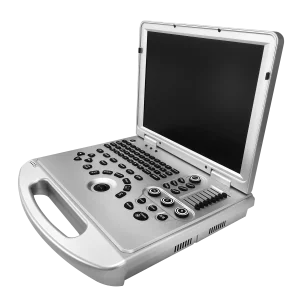
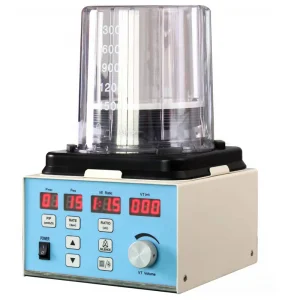
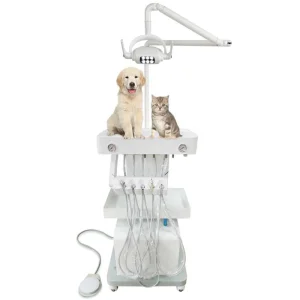
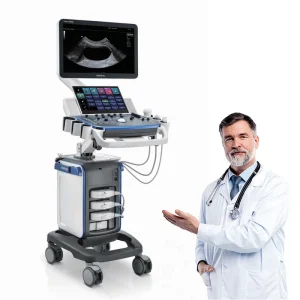
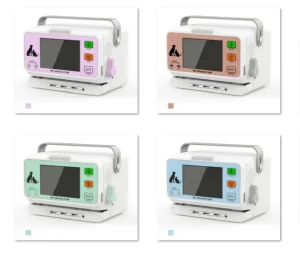
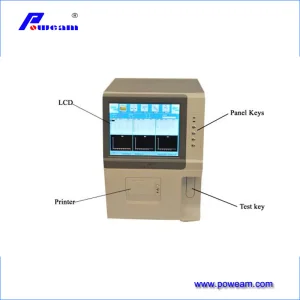
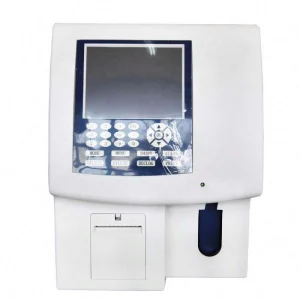
The field of veterinary surgery is experiencing an unprecedented transformation. As pet owners increasingly treat companion animals as integral family members, the demand for advanced surgical interventions has grown dramatically. This paradigm shift has forced veterinary practices worldwide to transition from basic, rudimentary anesthetic tools to highly sophisticated, human-grade veterinary anesthetic workstations. Providing safe, reliable, and controlled anesthesia for species ranging from a 20-gram canary to a 70-kilogram Mastiff requires precise mechanical control, sophisticated monitoring, and deep manufacturing expertise.
This industry report focuses on key variables defining the global manufacturing landscape of veterinary anesthetic equipment. It covers market trends, regulatory paradigms, supply-chain considerations, and technical innovation roadmaps. Key goals of this document are to assist procurement directors, hospital administrators, and international distributors in identifying top-tier suppliers while gaining actionable industry intelligence.
Recent diagnostic advancements, coupled with specialized clinical requirements, have shaped the evolution of anesthesia workstations. We identify three distinct trends reshaping the industry:
Modern systems integrate Capnography (EtCO2), Pulse Oximetry (SpO2), non-invasive blood pressure (NIBP), ECG, and core temperature probes directly into the anesthesia loop. Real-time physiological telemetry minimizes complications across distinct species profiles.
Rather than relying purely on manual breathing bags, contemporary operations deploy smart ventilators featuring Volume-Controlled and Pressure-Controlled Ventilation modes. This prevents barotrauma in neonates and avian patients.
Occupational health and safety guidelines demand highly effective Waste Anesthetic Gas Scavenging systems. Leading manufacturers integrate active scavenging to eliminate chronic exposure to isoflurane and sevoflurane in clinical staff.
Empowering global veterinary clinics and research laboratories with advanced clinical medical equipment through integrated one-stop solutions.
As a growing international company, our aim is always to better serve veterinary and research professionals in purchasing high-quality, cost-efficient veterinary medical equipment products.
Chengdu Petovira Animal Co., Ltd. covers a wide range of business areas including medical imaging, laboratory equipment, operating room equipment, ICU equipment, and other animal medical devices, providing you with a pleasant one-stop shopping experience. A highly qualified sales team and professional engineering team ensure an easy and time-saving purchasing process.
Our operational framework focuses on minimizing supplier friction. By consolidating multi-category supply chains under a unified quality assurance system, we enable hospitals, research institutes, and regional distributors to build complete clinical environments without managing dozens of disparate vendor contracts.
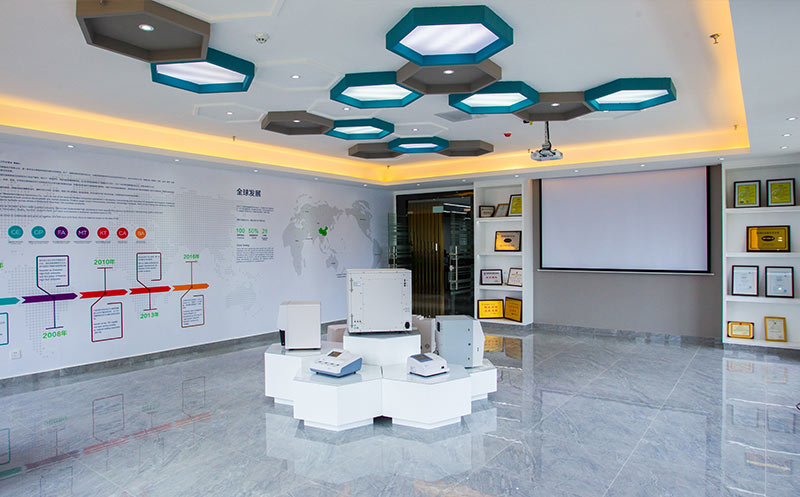
A rigorous industrial process detailing how Chengdu Petovira Animal Co., Ltd. ensures zero-defect supply chains, compliance, and international delivery.
Strict selection of qualified factories and full support for OEM/ODM services (such as logo printing and function adjustments tailored to your market).
Three rounds of inspection (raw material check → production sampling → pre-shipment full inspection), with detailed reports provided.
Cooperation with top freight forwarders to offer door-to-door delivery and full handling of customs documentation (commercial invoice, packing list, certificate of origin).
Flexible payment terms (L/C, T/T, Western Union) with trade insurance support to reduce your risk.
24/7 online service and spare parts storage for fast response and delivery.
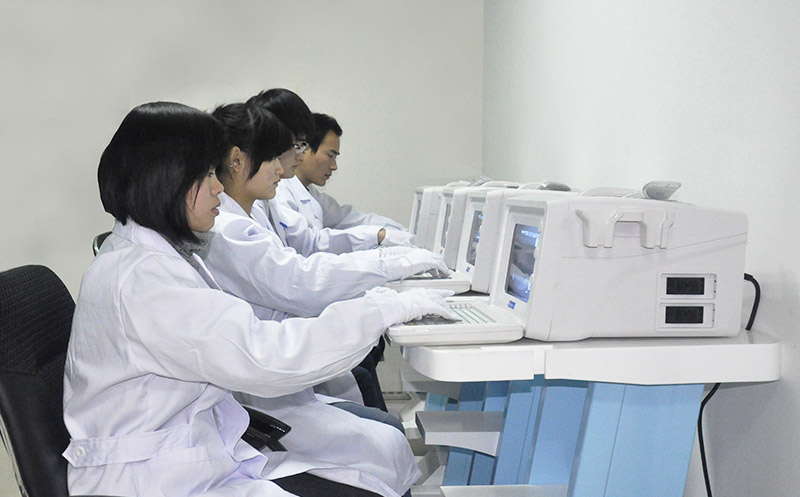
Managing multiple supply chains often results in vendor friction, finger-pointing, and compatibility issues. Our structural model addresses these challenges by serving as your technical and logistical anchor.
A comprehensive architectural breakdown of engineering requirements for modern veterinary critical care infrastructure.
When selecting a veterinary anesthetic supplier, professional buyers must look past raw exterior structures and evaluate the functional subsystem mechanics. A robust veterinary workstation requires specific functional components:
Anesthesia demands high-precision flowmeters (typically dual-cone configurations for Oxygen, Nitrous Oxide, or Medical Air). Systems must feature oxygen-flush safety valves delivering between 35 to 75 L/min to quickly inflate breathing circuits or rescue compromised patients.
High-precision vaporizers must dynamically compensate for changes in gas flow rates, temperature variations, and cyclic back-pressure. Factories complying with ISO 80601-2-13 standards integrate lock-out mechanisms to prevent dual anesthetic delivery.
Anesthesia loops must support fast switches between rebreathing (circle) systems for larger species (over 10kg) and non-rebreathing circuits (like Bain or Mapleson-D) for smaller avian or pocket-pet populations to minimize mechanical dead space.
Chengdu Petovira Animal Co., Ltd. places great emphasis on product quality, implementing a strict quality control system to ensure every product meets international standards. The company also provides comprehensive after-sales service, ensuring timely and professional technical support and maintenance.
Our quality management workflow implements three distinct, verifiable check stages:
With a fully integrated one-stop service covering R&D, production, sales, and after-sales support, Chengdu Petovira Animal Co., Ltd. delivers efficient, cost-effective, and customized solutions. In the future, we look forward to growing together with you.
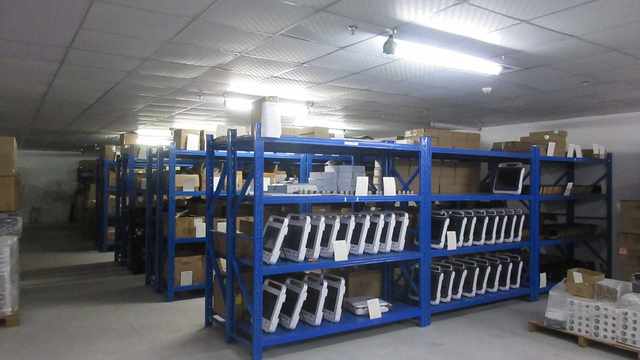
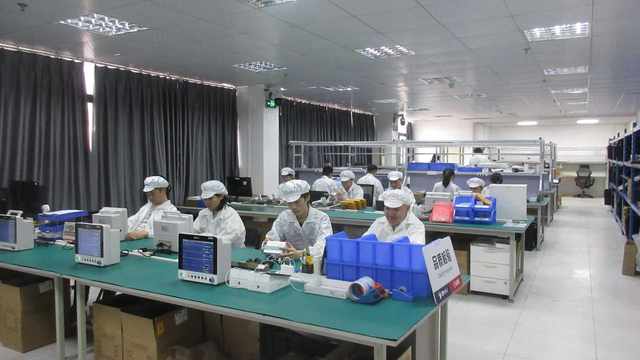
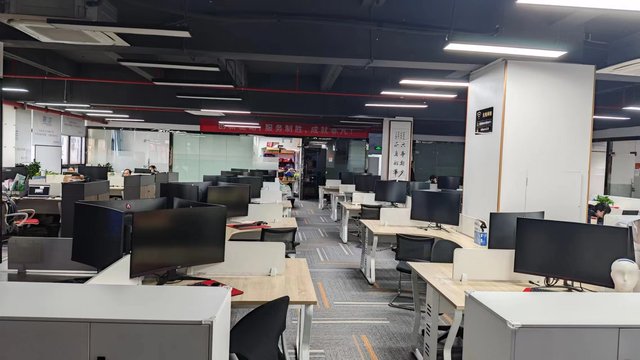
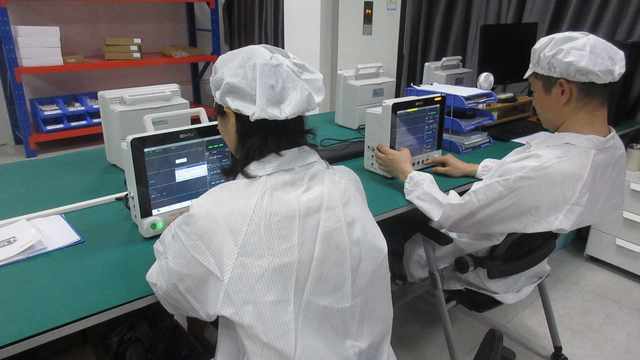
Ensuring compliance across diverse regional regulatory frameworks and local clinical environments.
Procuring veterinary medical equipment internationally requires navigating complex regulatory standards. To protect investment integrity and maintain regulatory compliance, suppliers must align with specific geographic frameworks:
Anesthesia systems must meet basic machinery directives, electrical safety regulations (EN 60601-1), and electromagnetic compatibility protocols. Vaporizers must align with ISO 80601-2-13 standards.
While dedicated veterinary equipment has different registration steps than human equipment, manufacturers must operate within ISO 13485 certified facilities to ensure raw material traceability and electrical safety.
This foundational standard covers the medical device lifecycle, including design control, raw material supply validation, post-market surveillance, and corrective action processes.
For veterinary distributors globally, we provide complete compliance file packs. This includes structural stress test certificates, EMC reports, and certified calibration charts for all anesthetic gas systems. Additionally, we provide localized branding options (OEM/ODM) to help distributors meet specific market preferences without losing compliance certifications.
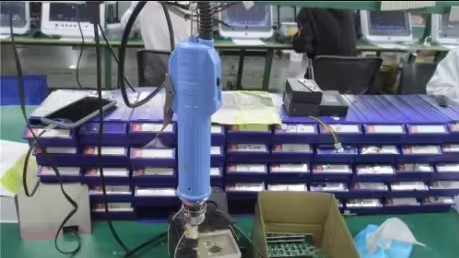
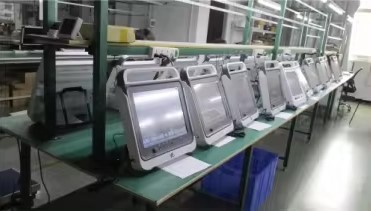
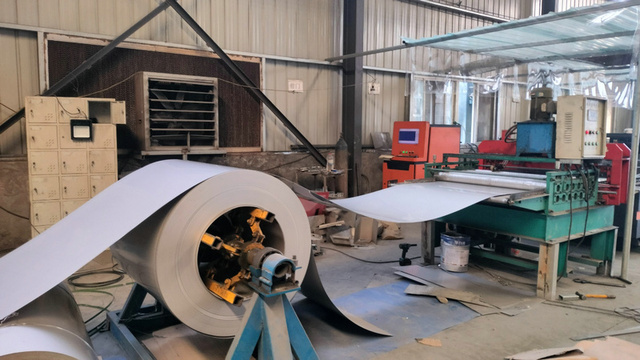
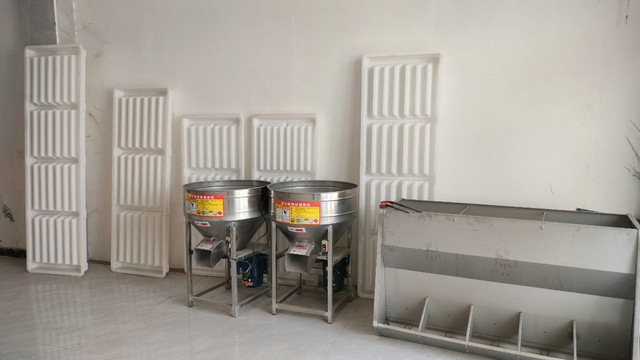
A look at the next generation of animal critical care workstations and monitoring systems.
The next phase of veterinary anesthesia equipment will rely heavily on automation and connectivity. As clinics adopt digital medical records (EMR) and cloud-connected diagnostics, the operating suite is becoming a connected ecosystem.
Emerging research focuses on closed-loop anesthetic delivery (CLAD) systems. These use real-time feed of physiological indicators like heart rate, blood pressure, and alveolar concentration to dynamically adjust vaporizer outputs. This reduces human error and maintains stable anesthetic planes.
Monitoring micro-sized pocket pets under anesthesia presents unique challenges due to high breathing frequencies (up to 150 breaths per minute) and tiny tidal volumes (under 2 ml). Future ventilation loops will use micro-flow capnography sensors with minimal dead space to provide accurate respiratory monitoring for very small patients.
Modern sustainability requirements are changing waste anesthetic gas scavenging. Newer systems use active catalytic charcoal and molecular sieves to capture and break down halogenated anesthetic gases before they are vented outside, lowering the ecological footprint of veterinary clinics.
Technical, regulatory, and mechanical answers to common procurement questions.
Veterinary vaporizers are built to accommodate the unique breath volumes and physiological requirements of varied animal species. While human vaporizers target a narrow patient weight range, veterinary vaporizers are designed to deliver consistent concentrations across extremely low flow rates (e.g., 200 ml/min for pocket pets) and high flow rates (e.g., 5 L/min for large dogs). Additionally, veterinary units are often calibrated specifically for Isoflurane or Sevoflurane with custom mounting adapters suitable for mobile cages or surgical tables.
Passive carbon absorption canisters (such as F-air canisters) capture halogenated gases (Isoflurane/Sevoflurane) but do not capture Nitrous Oxide. Furthermore, they stop absorbing gas once they reach saturation capacity (typically after a 50g weight increase), requiring staff to weigh them daily. Active waste gas scavenging (WAGS) systems use mechanical vacuum blowers to actively draw waste gas from the pop-off valve and exhaust it safely outdoors, providing continuous protection for clinical staff.
Avian and pediatric patients have very thin, delicate lung tissues and small tidal volumes. Volume-controlled ventilation delivers a fixed volume of gas regardless of the pressure required, which can lead to barotrauma if the compliance of the lungs changes. Pressure-controlled ventilation (PCV) caps the maximum inspiratory pressure (PIP), allowing the volume to vary safely while protecting delicate pulmonary structures from high pressures.
Anesthesia machines require systematic inspections to remain safe. Daily checks include high-pressure and low-pressure leak tests of the breathing circle. Annually, vaporizers must undergo professional calibration using a refractometer or mass spectrometer to ensure the delivered percentage matches the dial setting. Additionally, dome valves, O-rings, and soda lime CO2 absorbents should be regularly inspected and replaced.
Yes. By utilizing a fresh gas outlet selector valve or quick-connect ports, an operator can switch between a classic rebreathing circle absorber (for animals over 10kg) and a non-rebreathing circuit, like a Bain system (for animals under 10kg). This flexibility allows a single machine to handle a wider range of patient sizes.
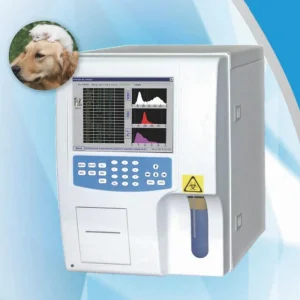
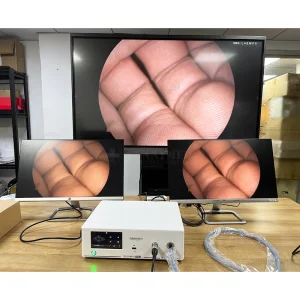
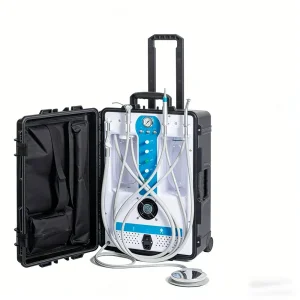
Review our specialized veterinary clinical equipment, designed for diagnostics, surgery, and intensive recovery.
 Petovira Animal