Explore our premium range of clinical-grade diagnostic equipment engineered to support early detection, precise imaging, and robust patient monitoring in modern veterinary healthcare settings.
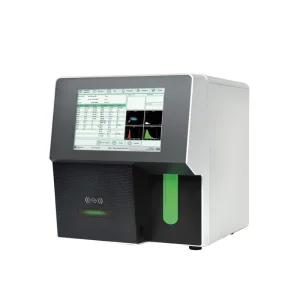
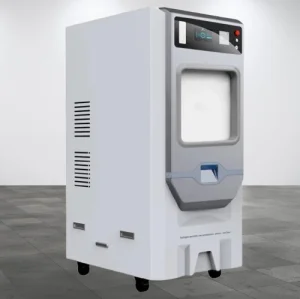
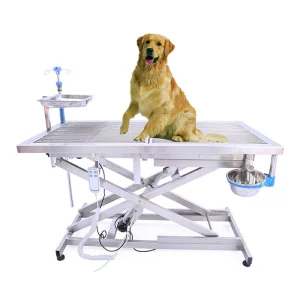
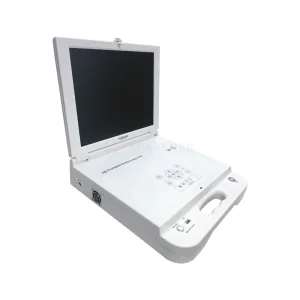
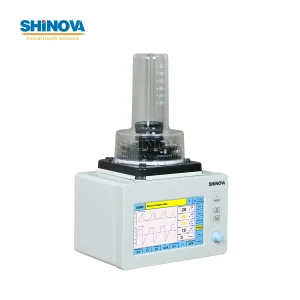
Veterinary medicine is undergoing a profound paradigm shift. Historically, clinical interventions were triggered by visible physiological symptoms. Today, the clinical focus has shifted towards proactive, predictive, and preventative diagnostic frameworks. At the core of this transition are veterinary biomarkers—measurable indicators of biological processes, pathogenic mechanisms, or pharmacological responses. Biomarkers such as Serum Amyloid A (SAA), C-Reactive Protein (CRP), Symmetric Dimethylarginine (SDMA), and NT-proBNP have fundamentally redefined veterinary care.
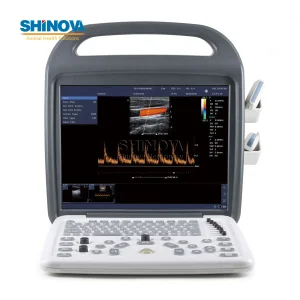
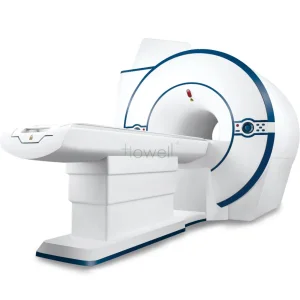
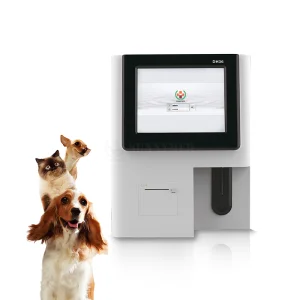
For practitioners and distributors, selecting trusted veterinary biomarkers manufacturers is not merely a purchasing decision; it is a critical strategy to ensure diagnostic reliability, regulatory compliance, and clinic efficiency. By aligning biomarker discovery with robust laboratory instruments—including 5-part hematology systems, advanced Doppler ultrasound diagnostic imaging, and highly specialized magnetic resonance imaging (MRI)—modern veterinary clinics can deliver personalized patient outcomes with unprecedented velocity.
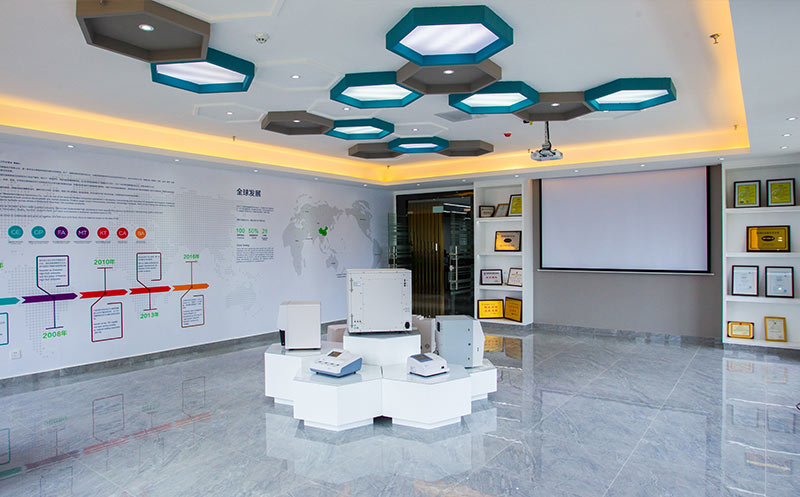
The global veterinary diagnostics market is experiencing rapid expansion, driven by rising companion animal ownership, increased pet insurance penetration, and a growing consensus on animal health's impact on public health. Research shows that early biomarker detection can extend companion animal life expectancy, particularly for cardiovascular, oncology, and chronic kidney disease management.
Pet owners increasingly view companion animals as family members, demanding human-grade diagnostics. Regular metabolic and cardiac biomarker screening is standard practice in advanced clinical networks.
Modern clinics rely on high-specificity biomarkers to differentiate complex diagnoses. This reduces empiric treatment risks, ensuring targeted and effective interventions.
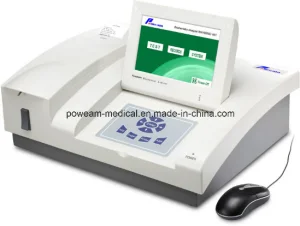
Modern clinics utilize Point-of-Care Testing (POCT) systems. Handheld devices and table-top chemistry platforms provide rapid patient results in under 15 minutes, improving workflow.
Understanding veterinary biomarker applications requires analyzing the specific clinic, hospital, and laboratory environments where they are deployed:
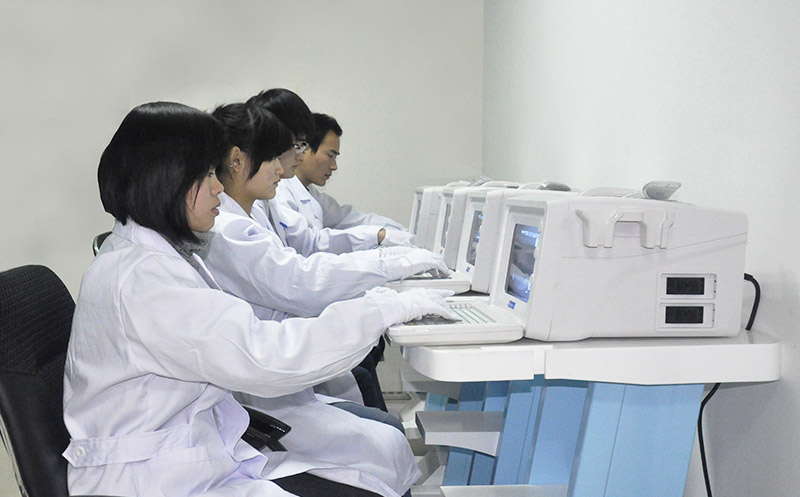
The diagnostic field is entering a phase of rapid innovation, driven by microfluidics, biosensors, and artificial intelligence. Manufacturers are shifting from single-analyte assays to multiplex, intelligent diagnostic platforms.
Integration of microfluidic chip technology enables clinics to test for hematology, biochemistry, and multiple inflammatory biomarkers from a single blood sample drop. This reduces sample volumes, benefiting smaller or critical-condition patients.
Modern analyzers upload raw metric data to cloud networks, where ML models monitor hematology changes, screen Doppler imaging, and predict pathology trends before clinical manifestation.
Ongoing research targets liquid biopsy technology for animals, analyzing circulating tumor DNA (ctDNA) and RNA markers to diagnose cancer early, before visible tumors develop.
Combining early biomarker profiling (such as SDMA and NT-proBNP) with advanced diagnostic imaging—specifically high-field MRI and doppler technology—allows clinics to detect structural and biochemical changes simultaneously, reducing diagnostic uncertainty by 40%.
China has established itself as an essential hub for high-tech medical device manufacturing. Companies like Chengdu Petovira Animal Co., Ltd. leverage this industrial ecosystem to produce high-performance clinical hardware at accessible price points.
By localizing optical sensors, precision fluidic valves, and PCB assemblies within core clusters, factories optimize lead times and reduce component assembly bottlenecks.
Quality assurance follows strict protocols: comprehensive raw material audits, real-time production sampling, and a complete pre-shipment performance verification.
With scalable manufacturing lines, facilities support custom software interfaces, private-label casing, and regional language integration to meet local market needs.
As a growing international company, our aim is always to better serve veterinary and research professionals in purchasing high-quality, cost-efficient veterinary medical equipment products. Chengdu Petovira Animal Co., Ltd. covers a wide range of business areas including medical imaging, laboratory equipment, operating room equipment, ICU equipment, and other animal medical devices, providing you with a pleasant one-stop shopping experience. A highly qualified sales team and professional engineering team ensure an easy and time-saving purchasing process.
• Save 20%+ of your time on vendor coordination.
• Reduce 10–15% of total costs through integrated services.
• Avoid risks of responsibility disputes between multiple parties.
Strict selection of qualified factories and full support for OEM/ODM services (such as logo printing and function adjustments tailored to your market).
Three rounds of inspection (raw material check → production sampling → pre-shipment full inspection), with detailed reports provided.
Cooperation with top freight forwarders to offer door-to-door delivery and full handling of customs documentation (commercial invoice, packing list, certificate of origin).
Flexible payment terms (L/C, T/T, Western Union) with trade insurance support to reduce your risk.
24/7 online service and spare parts storage for fast response and delivery.
Chengdu Petovira Animal Co., Ltd. places great emphasis on product quality, implementing a strict quality control system to ensure every product meets international standards. The company also provides comprehensive after-sales service, ensuring timely and professional technical support and maintenance.
With a fully integrated one-stop service covering R&D, production, sales, and after-sales support, Chengdu Petovira Animal Co., Ltd. delivers efficient, cost-effective, and customized solutions. In the future, we look forward to growing together with you.

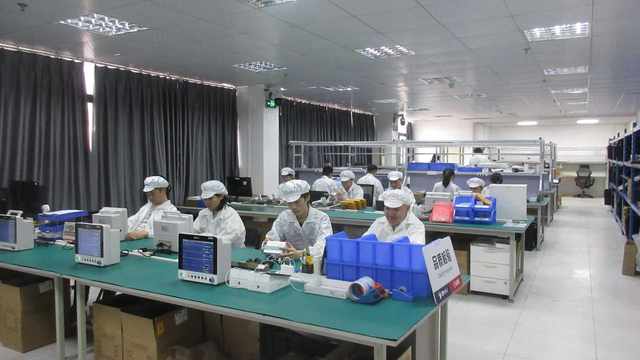

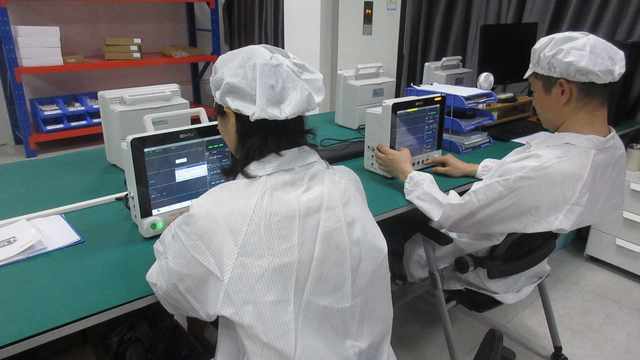
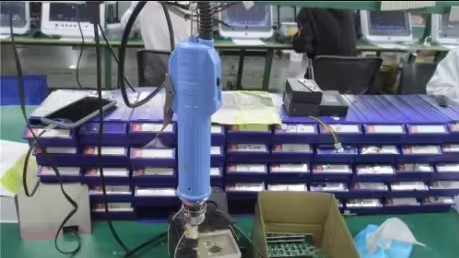
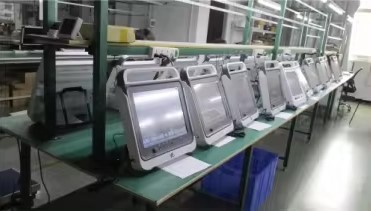
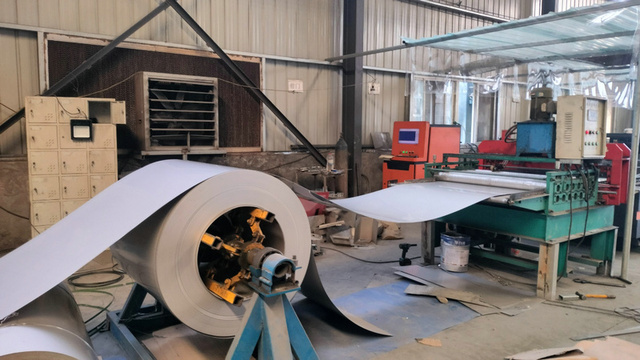

Veterinary diagnostics operate within strict regulatory frameworks. Ensuring that diagnostic instruments and assays comply with international standards is vital for hospital compliance and clinic reputation. Our production partners maintain certifications including ISO 9001 and ISO 13485, validating that diagnostic platforms undergo rigorous manufacturing controls.
For import markets in North America, Europe, and Asia-Pacific, we coordinate all export documentation. This includes providing Certificates of Analysis (COA) for analyzer systems and detailed material safety datasheets (MSDS) for chemical reagents.
By streamlining import certification processes, we help distribution networks reduce clearance times and accelerate clinical adoption. Our technical engineers provide support documentation for local registrations, helping clients establish compliance frameworks.
ISO 13485 (Medical Devices Quality Management)
CE Certificate of Conformity
NQA & SGS Production Audits Approved
FDA Registered Facility Export Standards
Upgrade your practice with diagnostic devices. Explore our specialized solutions designed to improve diagnostic confidence, imaging resolution, and patient care.
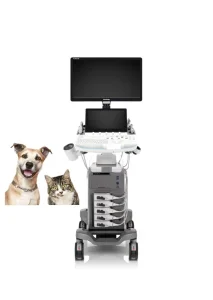
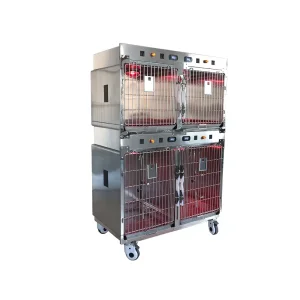
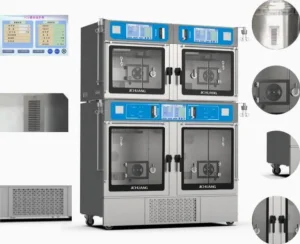
Find detailed answers to common questions about diagnostic systems, procurement workflows, and technical support services.
Veterinary biomarker diagnostics work alongside standard laboratory tests. A 5-part hematology analyzer (like the HA-6610) provides cell counts, detailing immune and erythroid responses. Biomarker assays (such as SAA or CRP) provide targeted molecular quantification of acute systemic inflammation. Running both tests helps veterinarians differentiate active infectious processes from secondary marrow responses, leading to more accurate clinical diagnoses.
Consolidating your supply chain with a one-stop partner like Chengdu Petovira saves over 20% in coordination time and reduces costs by 10-15%. It simplifies international shipping by consolidation, ensures consistent quality check protocols across all instruments, and avoids responsibility disputes. All customer support, warranty service, and parts shipping are managed through a single contract, simplifying operations.
Our manufacturers follow a three-round inspection system:
First, a raw material and critical component review (verifying optical detectors, sensors, pumps).
Second, in-line sampling during device calibration and software initialization.
Third, a pre-shipment performance check, with reports provided prior to packaging and dispatch. This ensures compliance with international performance and safety standards.
White blood cell (WBC) counts can vary due to stress, hormonal shifts, and vascular changes, which can lead to delayed results in acute conditions. Acute-phase proteins like Serum Amyloid A (SAA) respond to inflammatory signals within hours. Because SAA has a short half-life, it rapidly drops as inflammation resolves. This makes it a highly sensitive marker for tracking acute infection courses and assessing treatment effectiveness in real time.
Yes. Through our OEM/ODM services, we support localization to meet market requirements. This includes translating UI text, customizing reference range settings for local breeds, applying custom casing designs, and matching regional electrical and plug specifications. This helps distribution partners introduce compliant products tailored to local preferences.
 Petovira Animal