Engineered for high accuracy, patient safety, and optimal operational durability in veterinary hospitals.
A comprehensive analysis of medical technology upgrades, supply chain stability, and clinical efficacy metrics in contemporary veterinary practice.
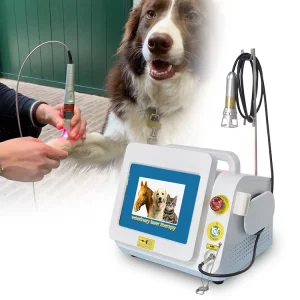
The veterinary medical equipment landscape has transitioned from basic diagnostic solutions to advanced therapeutic modalities. Among these advancements, Veterinary Laser Therapy has emerged as one of the fastest-growing sectors globally. According to recent clinical database studies, the utilization of multi-wavelength diode lasers in animal rehabilitation clinics has risen by over 34% within the last three years. This growth is predominantly driven by the increasing demand for non-invasive, drug-free pain management options for companion animals, competitive equine athletes, and exotic species.
Modern veterinary lasers utilize specific biological wavelengths—principally 810nm, 915nm, and 980nm—to induce target photobiomodulation (PBM) in injured tissues. The biological effects include accelerated cell proliferation, increased microcirculation, rapid reduction in localized edema, and mitigation of chronic myofascial pain. As specialized clinical treatments advance, global veterinary medical device distributors and veterinary group purchasing organizations (GPOs) are faced with the challenge of finding manufacturing partners who can guarantee stable production lines, high optical component reliability, and absolute compliance with international regulatory standards.
The shift from standard Class IIIb lasers to high-power Class IV medical lasers requires precise thermal management and advanced microcontroller-driven safety protocols. Factories must implement rigorous optical alignment testing to ensure constant energy density across varying spot sizes, mitigating risks of localized thermal damage during clinical operations.
Procuring medical hardware at an enterprise level requires deep evaluation of manufacturing stability, life-cycle costs, and technical documentation. Unlike consumer-grade electronics, veterinary clinical equipment must survive intensive daily use cycles and stringent environmental conditions in surgical settings. The following core factors drive B2B procurement decisions:
Smart buyers calculate beyond the initial acquisition price. They evaluate replacement parts availability, warranty coverage, laser diode longevity (standardized in thousands of operational hours), and software update pathways.
Compliance with CE, ISO 13485 (Medical devices quality management systems), and FDA guidelines is mandatory for seamless customs clearance and commercial viability in strict Western markets.
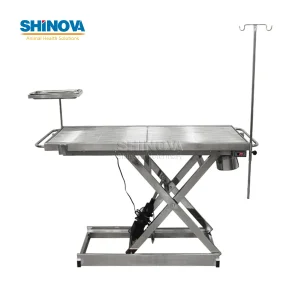
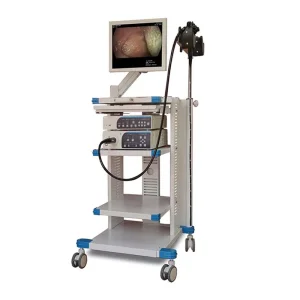
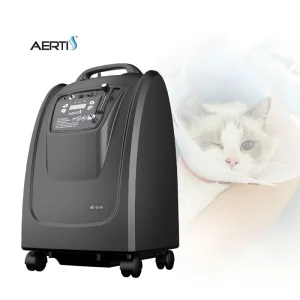
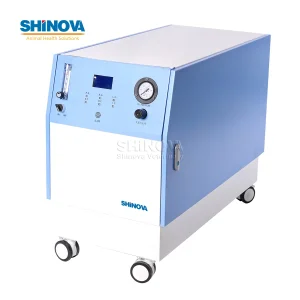
Veterinary clinics prefer multi-functional platforms. A clinical ecosystem that bridges high-performance surgery tables, anesthesia machines, oxygen concentrators, and laser therapy units reduces setup times and learning curves for clinical staff.
Industrial restructuring has propelled Chinese manufacturing centers to the forefront of medical technology. By adopting Smart Factory 4.0 standards, factories are no longer merely assembling parts; they are deeply integrating automated CNC machinery, high-precision optoelectronics cleanrooms, and automated testing rigs. This intelligent supply chain integration delivers two distinct structural advantages to global buyers:
Supply Chain Agility: The co-location of component manufacturers (such as laser diode chip packaging, optical lens grinding, aluminum alloy extrusion, and specialized PCBs) within centralized industrial clusters reduces lead times from months to weeks. Even during global transport bottlenecks, local raw material reserves ensure uninterrupted production.
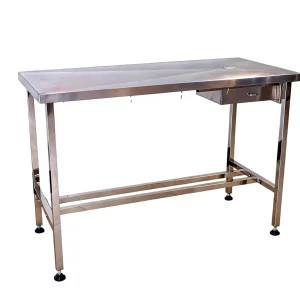
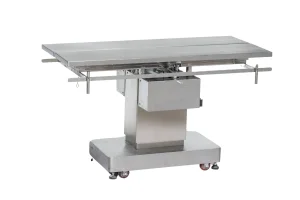
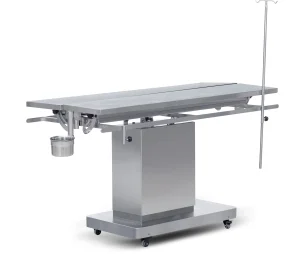
Consistent Quality Assurance: Factory 4.0 introduces machine-vision inspection algorithms during assembly. In veterinary surgery table fabrication, robotic welding guarantees tensile strength and cosmetic uniformity on 304/316 grade stainless steel, minimizing manual deviations and ensuring leak-proof sealing against chemical sterilizers.
As a growing international company, our aim is always to better serve veterinary and research professionals in purchasing high-quality, cost-efficient veterinary medical equipment products.
Chengdu Petovira Animal Co., Ltd. covers a wide range of business areas including medical imaging, laboratory equipment, operating room equipment, ICU equipment, and other animal medical devices, providing you with a pleasant one-stop shopping experience. A highly qualified sales team and professional engineering team ensure an easy and time-saving purchasing process.
By controlling every step of the supply chain—from initial raw material testing to final customs compliance—we isolate our buyers from typical export hassles. We pride ourselves on transparent communication, direct technical consulting, and offering OEM/ODM services tailored to the competitive demands of your local market.
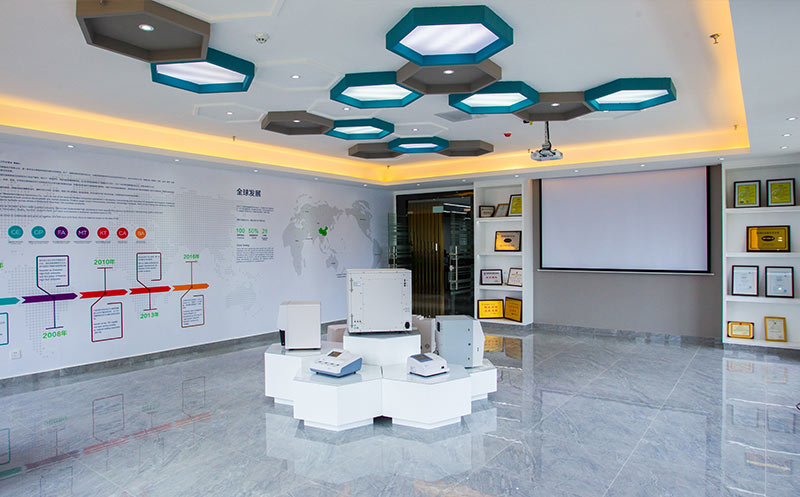
How we ensure strict quality compliance, seamless logistics, and robust after-sales support for every batch of veterinary medical instruments shipped worldwide.
Strict selection of qualified factories and full support for OEM/ODM services (such as logo printing and function adjustments tailored to your market) to build brand differentiation.
Three rounds of inspection (raw material check → production sampling → pre-shipment full inspection), with detailed testing reports and optical output metrics provided before shipping.
Cooperation with top freight forwarders to offer door-to-door delivery and full handling of customs documentation (commercial invoice, packing list, certificate of origin) to ensure seamless transit.
Flexible payment terms (L/C, T/T, Western Union) with trade insurance support to reduce your international purchasing risk and maintain positive cash flows.
24/7 online service and spare parts storage for fast response and delivery, ensuring your equipment achieves maximum uptime in busy clinical environments.
The practical application of veterinary equipment varies greatly depending on the clinical environment. High-quality veterinary laser units and complementary diagnostic equipment must adapt seamlessly to these unique workflows:
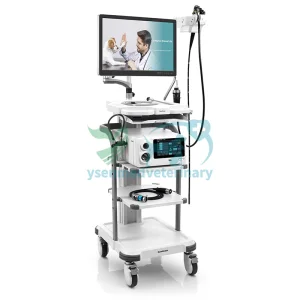
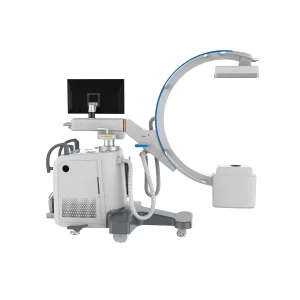
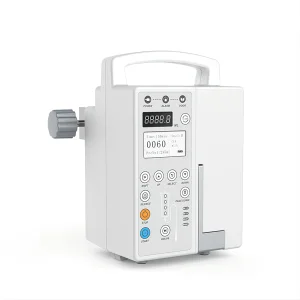
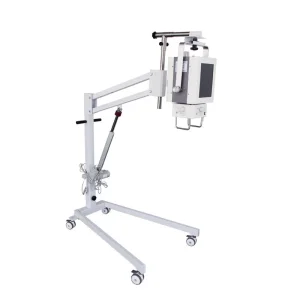
By establishing a unified clinical environment—coupling anesthesia pumps, oxygen generators, imaging units (like C-arms), and phototherapeutic devices—veterinary clinics maximize spatial efficiency while maintaining high safety standards.
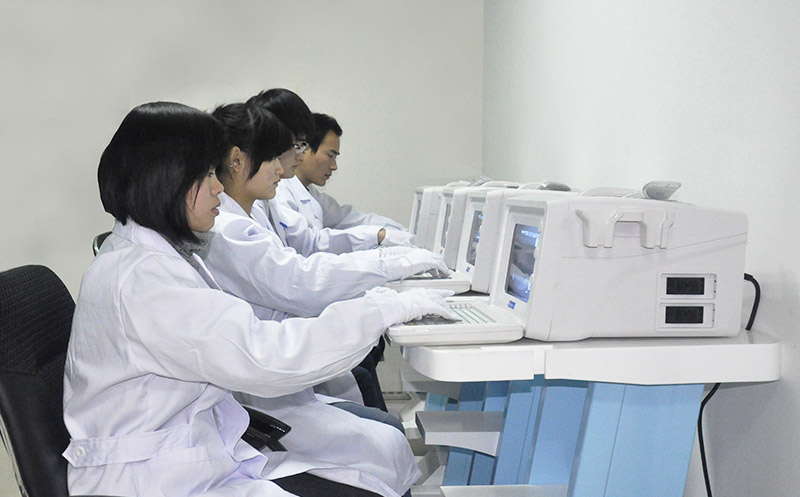
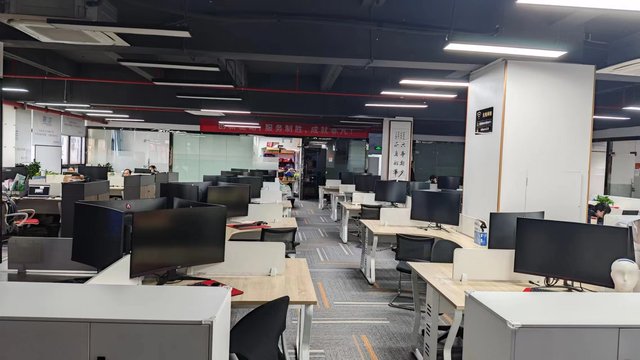
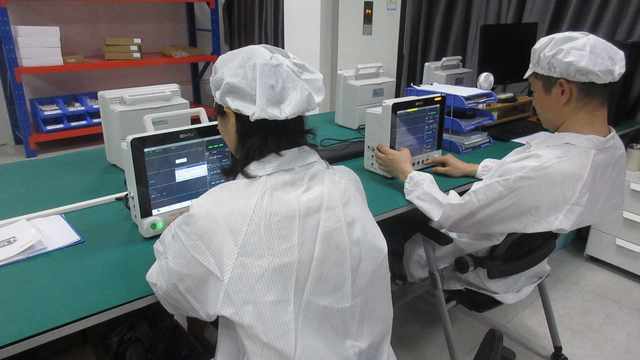
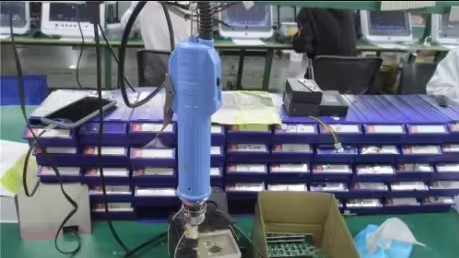
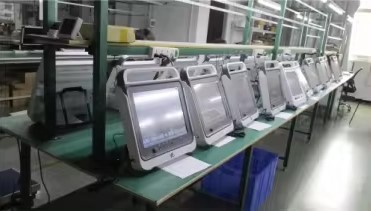
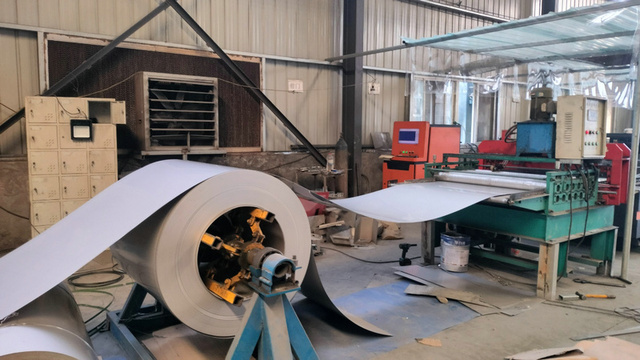
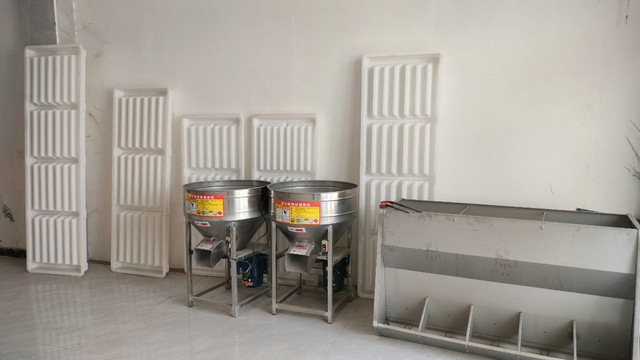
A visual tour of our quality-controlled production facilities, testing zones, and inventory management hubs.
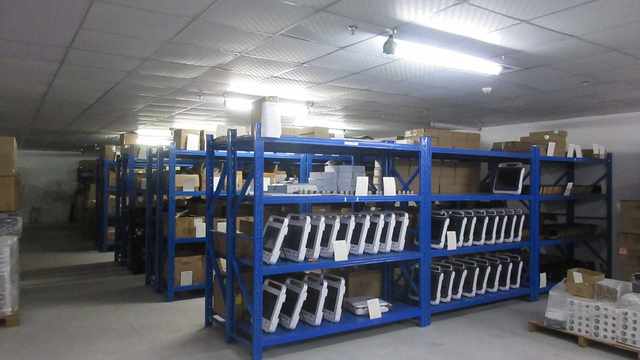
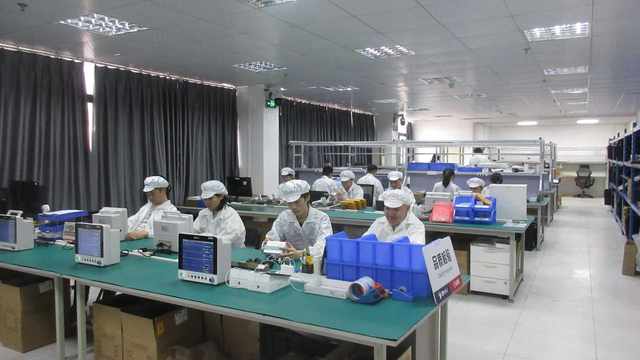
Addressing crucial parameters, regulatory questions, and technical specifications for professional buyers and medical distributors.
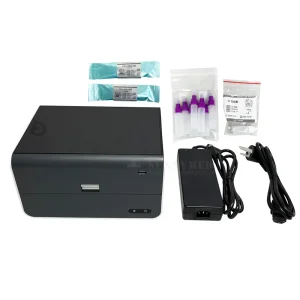
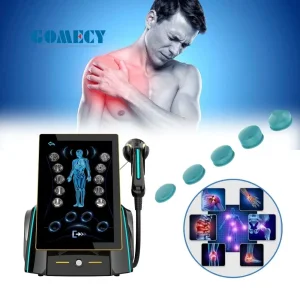
Integrating innovative shockwave technology, photobiomodulation therapy, and real-time molecular diagnostics.
 Petovira Animal