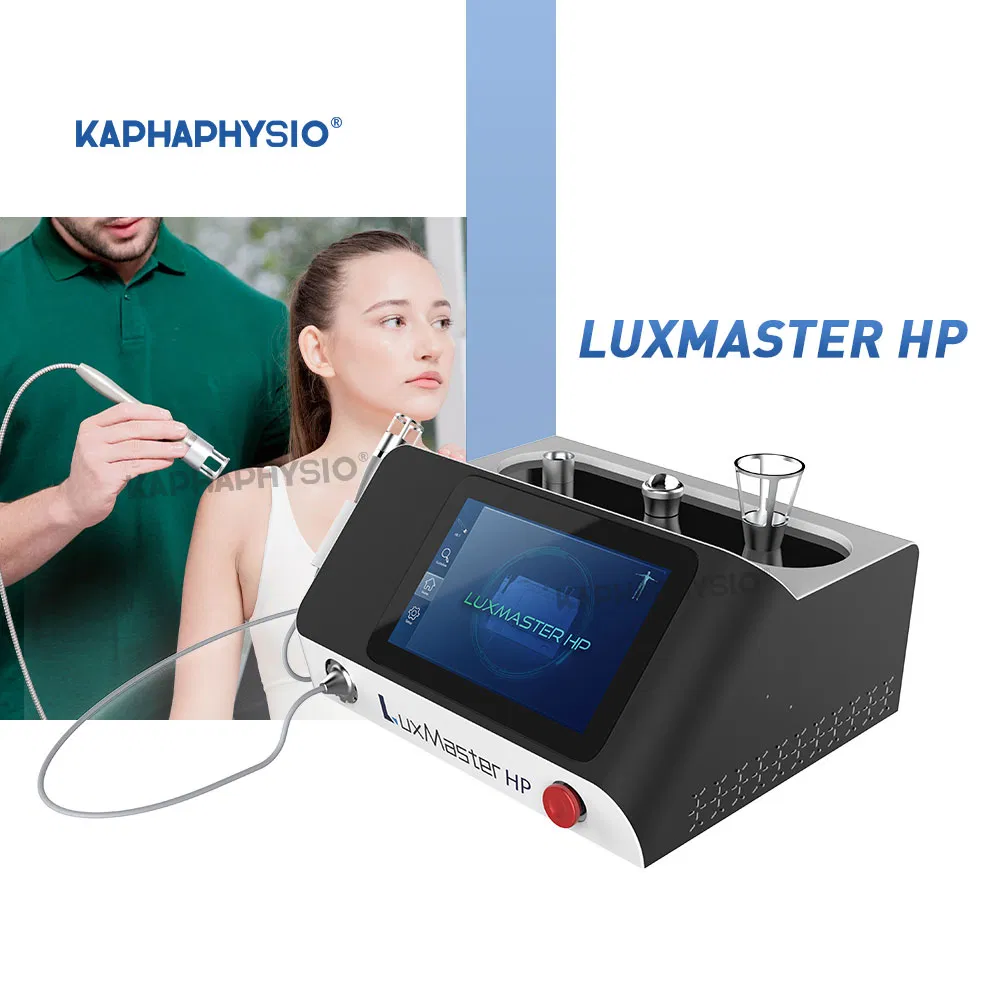
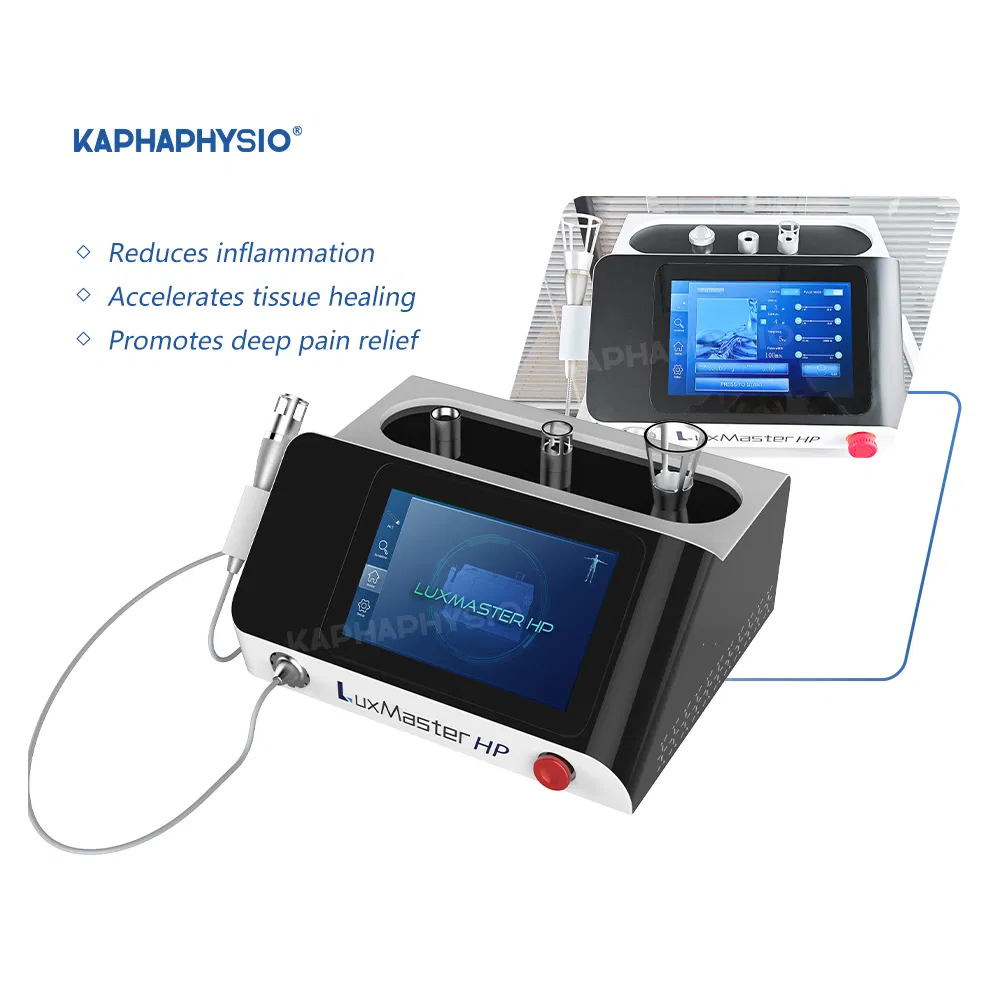
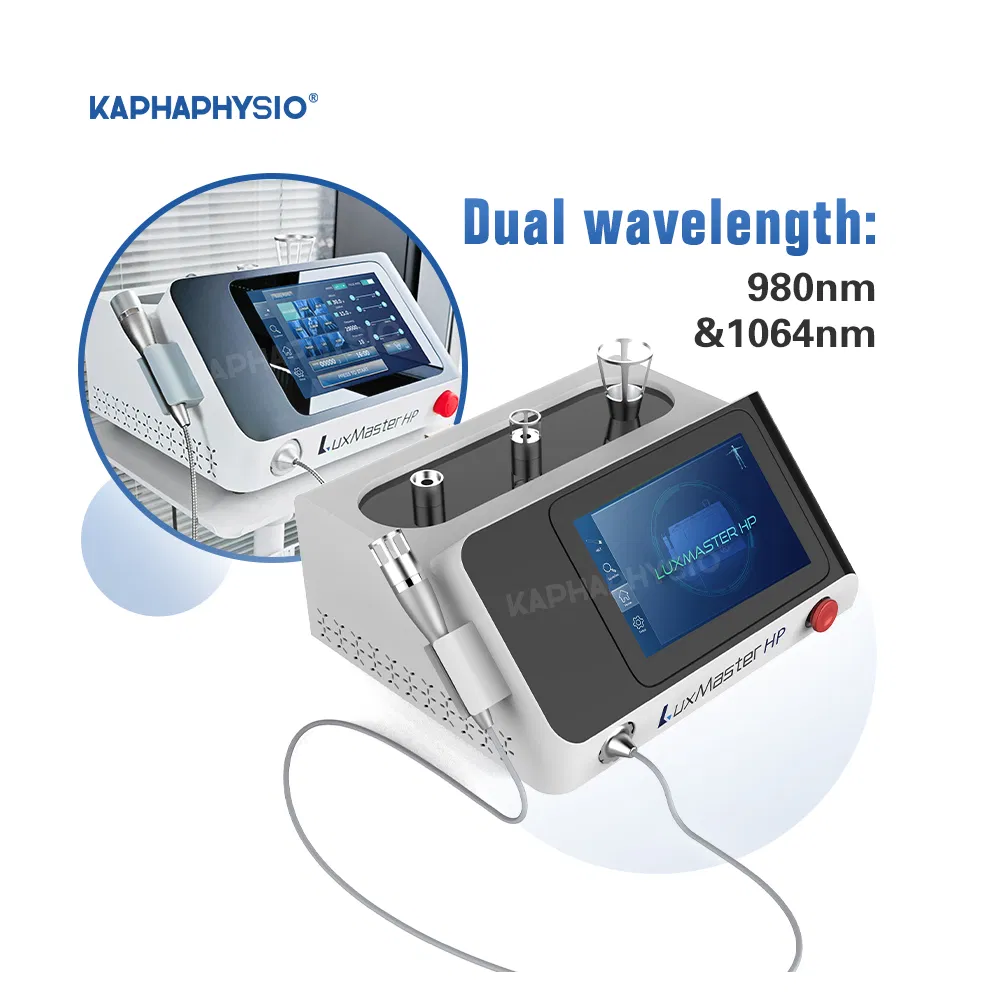
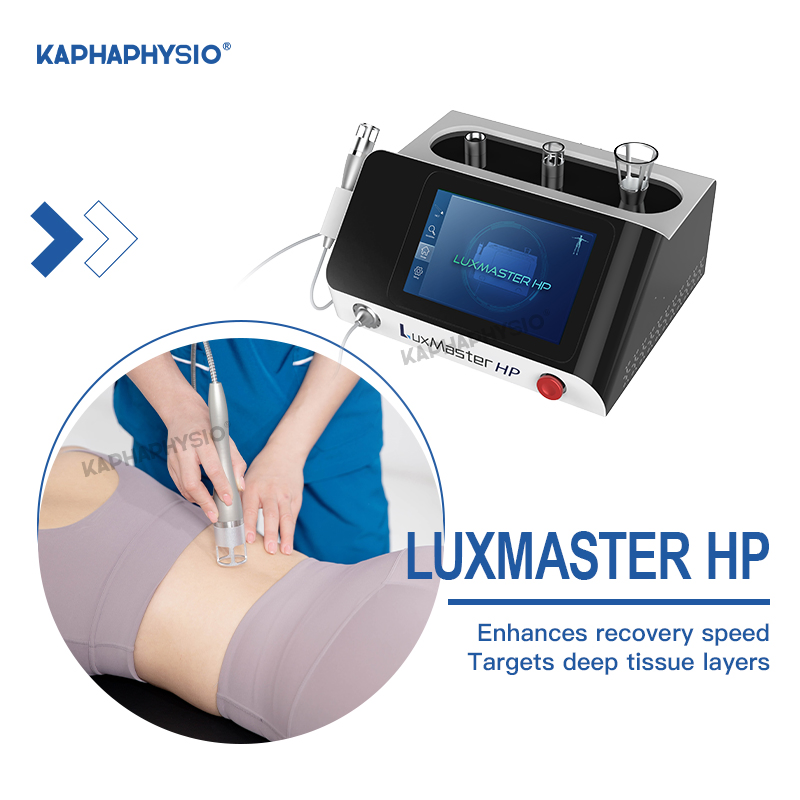
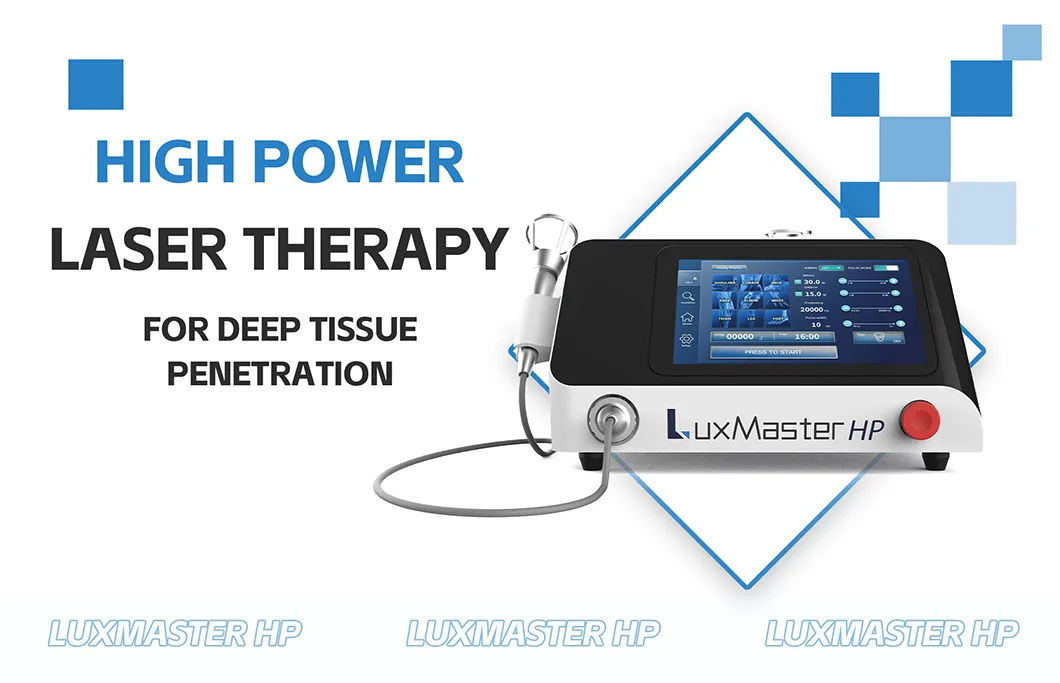
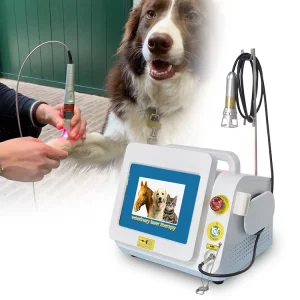
LuxMaster HP: A Revolutionary Approach to Healing and Pain Management
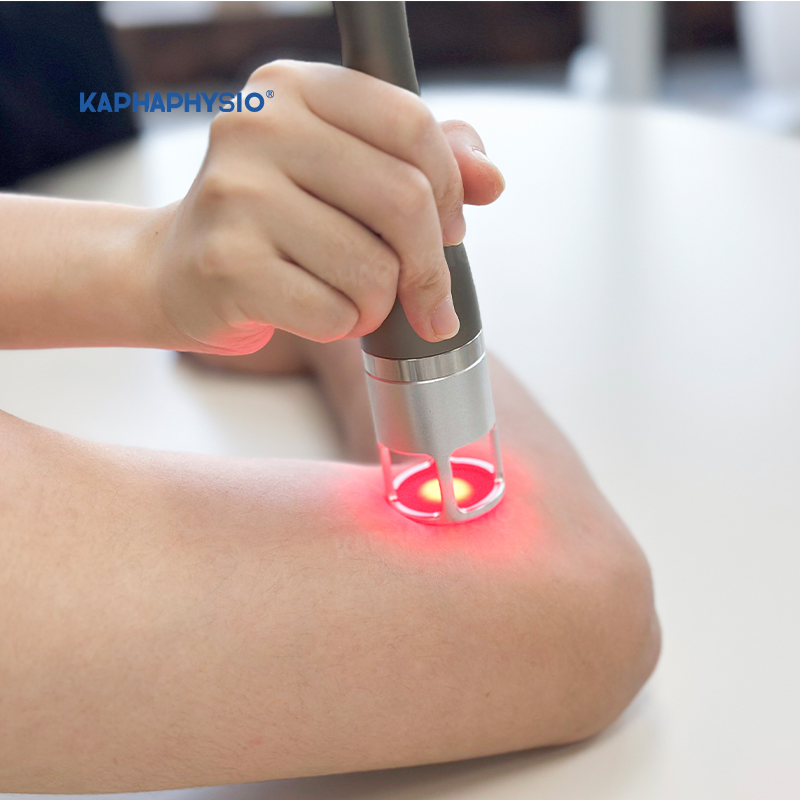
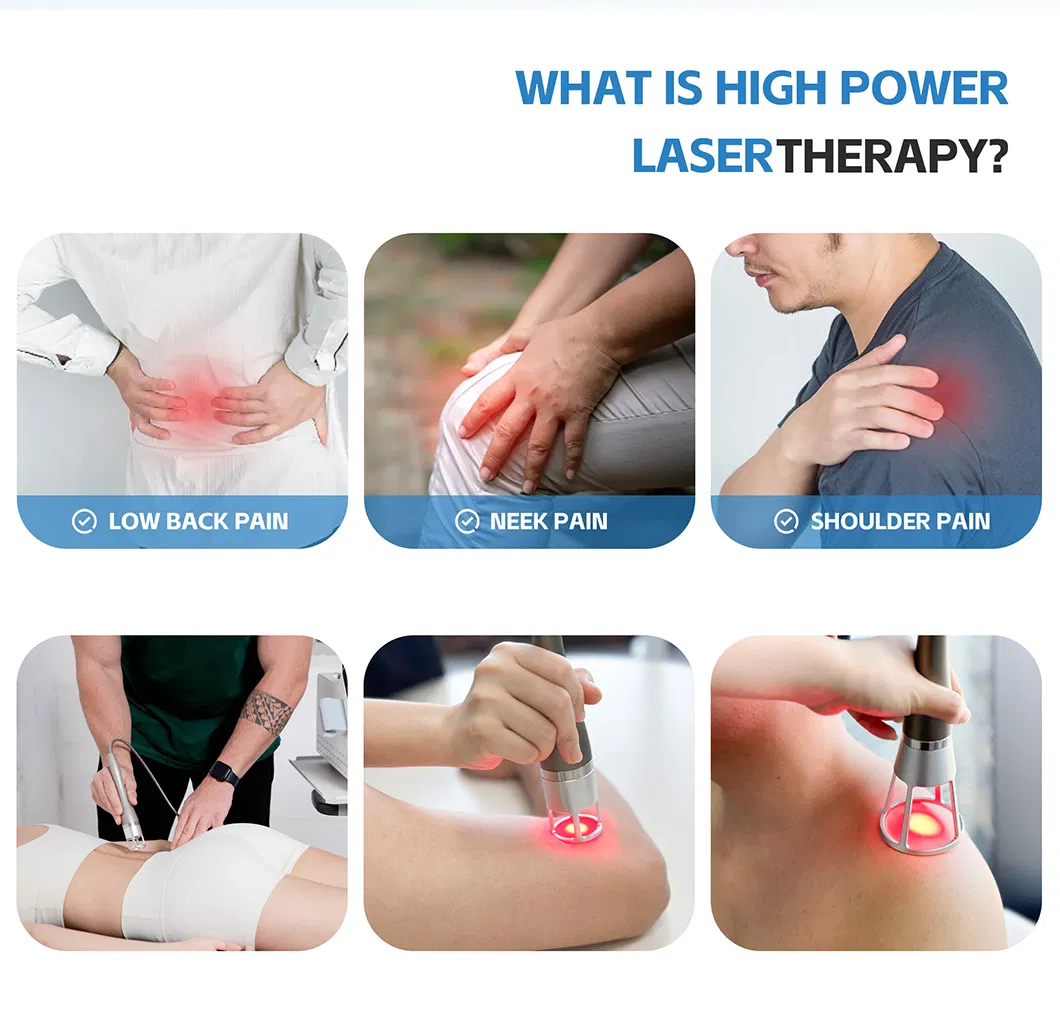
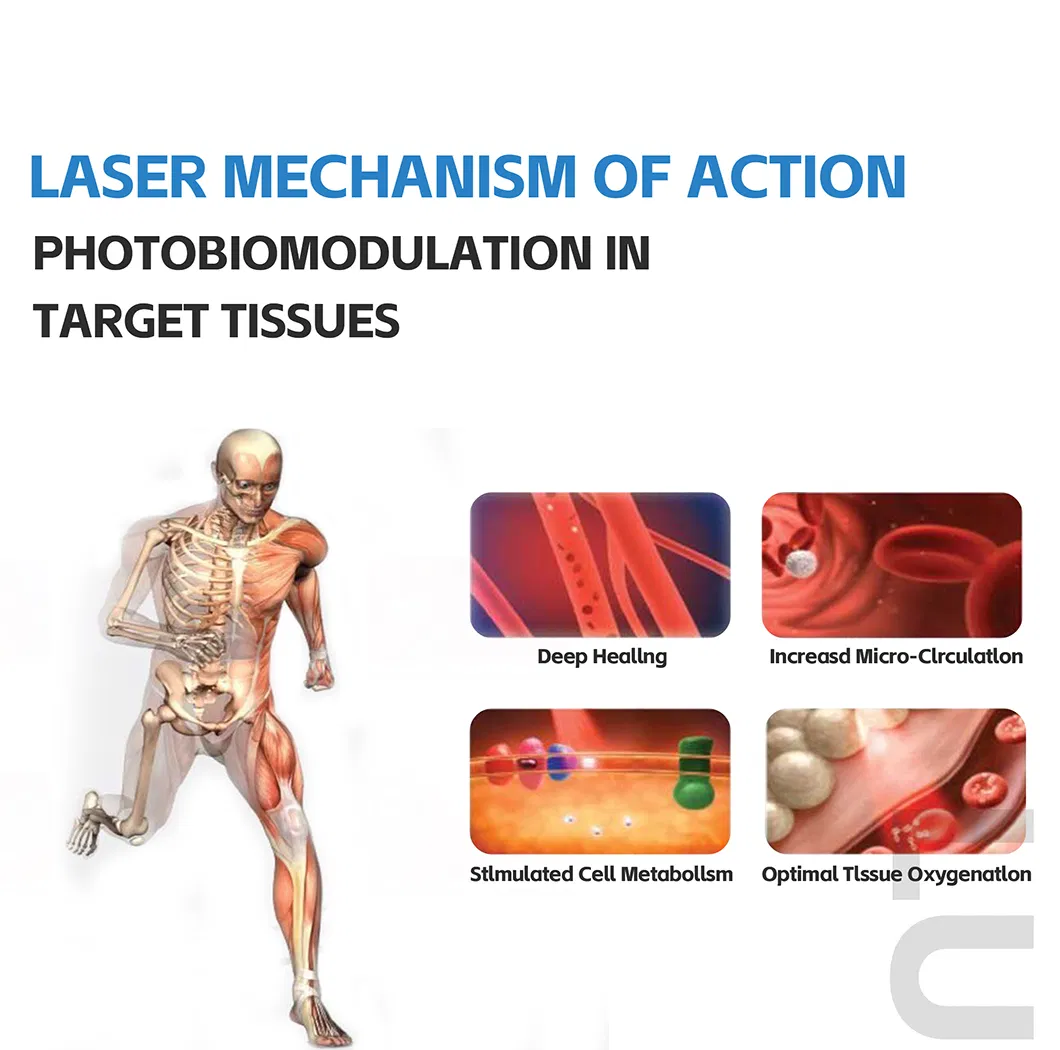
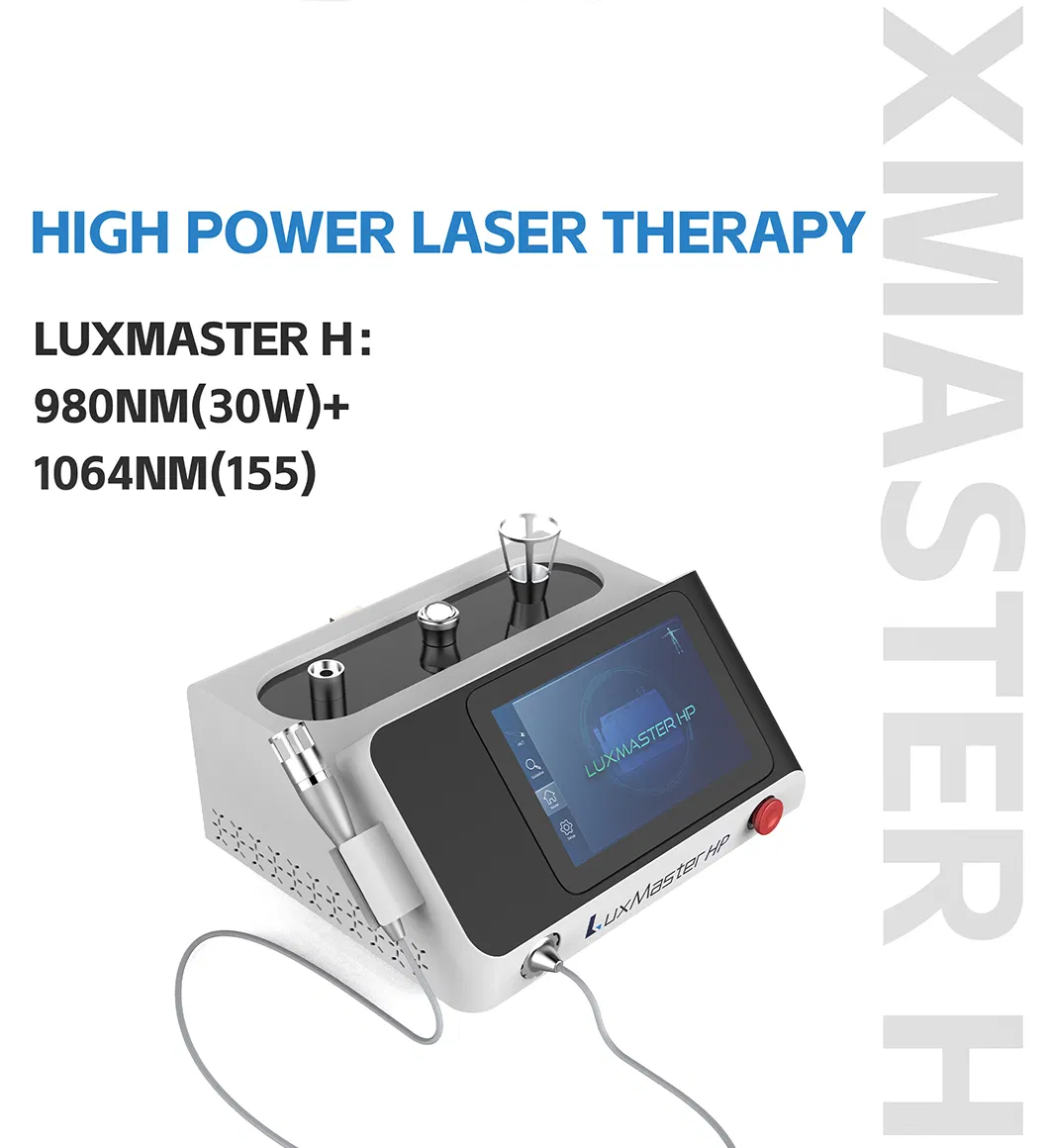
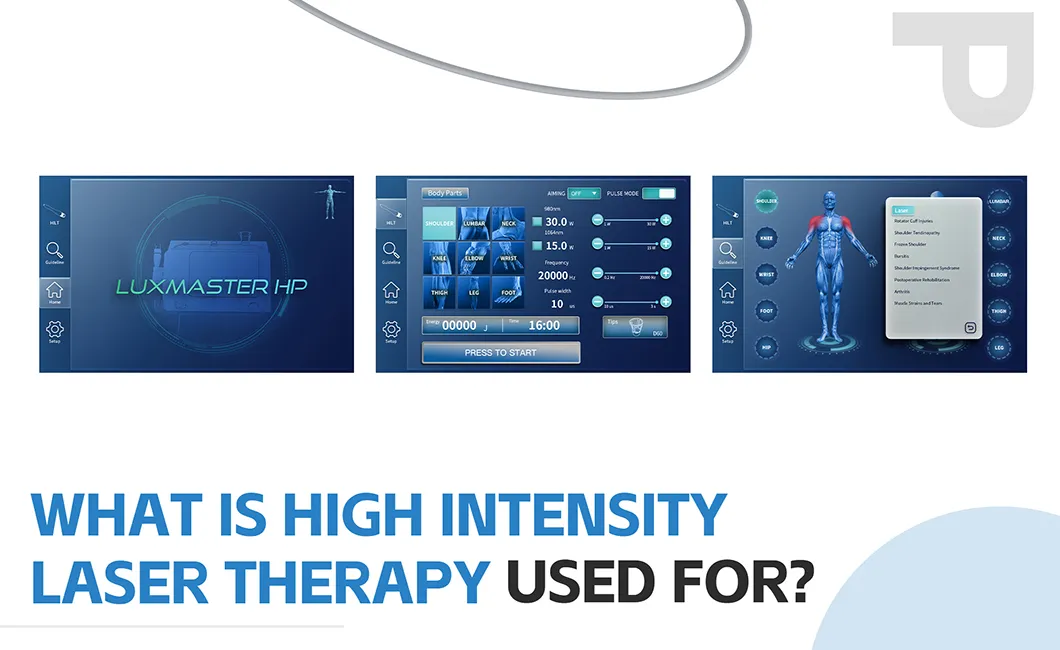
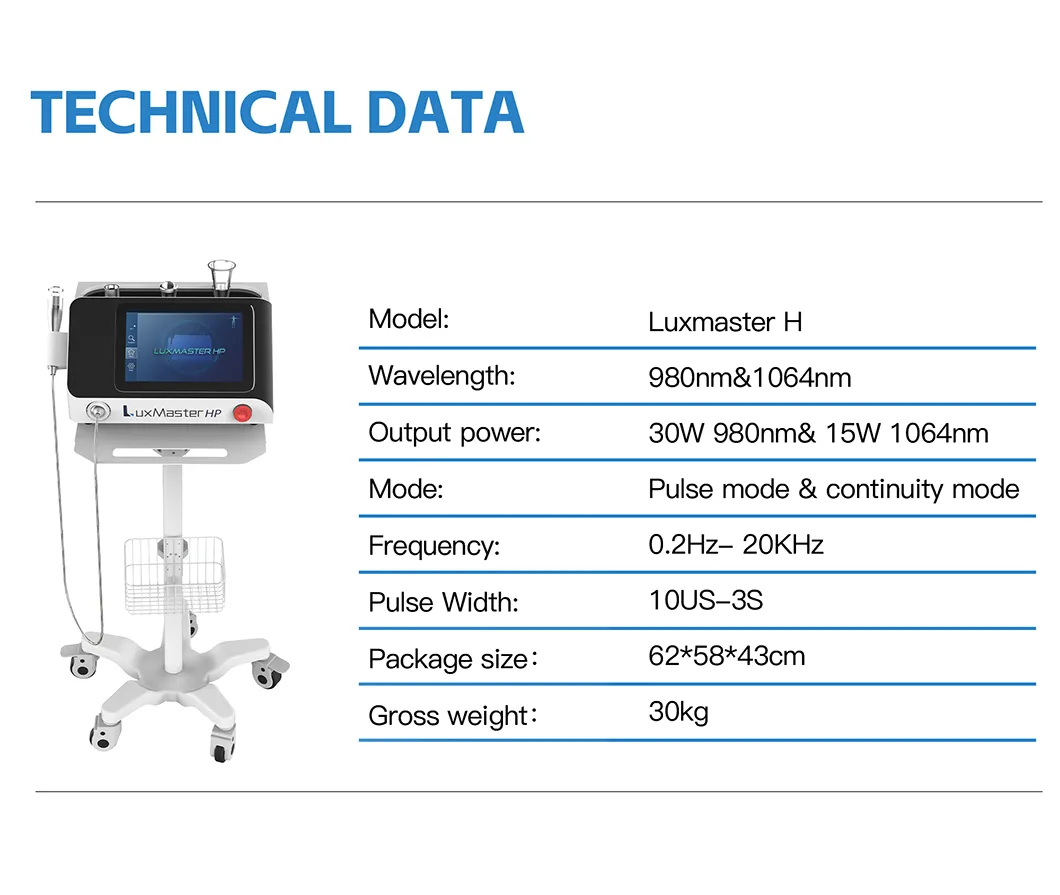
High-power laser therapy (HPLT) is a non-invasive treatment modality that uses concentrated light energy to promote healing, reduce pain, and accelerate recovery. The use of 980nm and 1064nm wavelengths in high-power lasers offers distinct benefits, targeting specific tissues with optimal penetration, enhancing therapeutic outcomes.
🔍 Understanding Wavelengths
- 980nm Wavelength: Near-infrared light that allows deep tissue penetration while being absorbed by water. Particularly effective in treating soft tissues like muscles and tendons, ideal for pain relief and reducing inflammation.
- 1064nm Wavelength: Penetrates deeper into tissues than 980nm. Primarily absorbed by water and collagen, enhancing effectiveness in deeper muscle and bone layers. Ideal for arthritis, fractures, and chronic back pain.
✨ Benefits of High-Power Laser Therapy
Pain Relief: Reduces inflammation and stimulates endorphin release.
Accelerated Healing: Enhances cellular energy for faster repair.
Improved Circulation: Increases blood flow for better nutrient delivery.
Non-Invasive: No surgery, needles, or recovery time required.
⚠️ Contraindications
- Pregnancy (abdominal or pelvic areas).
- Active Cancerous Tumors.
- Direct eye exposure.
- Photosensitive Skin conditions.
- Areas near Pacemakers or Electrical Implants.
Frequently Asked Questions
How does LuxMaster HP therapy work?
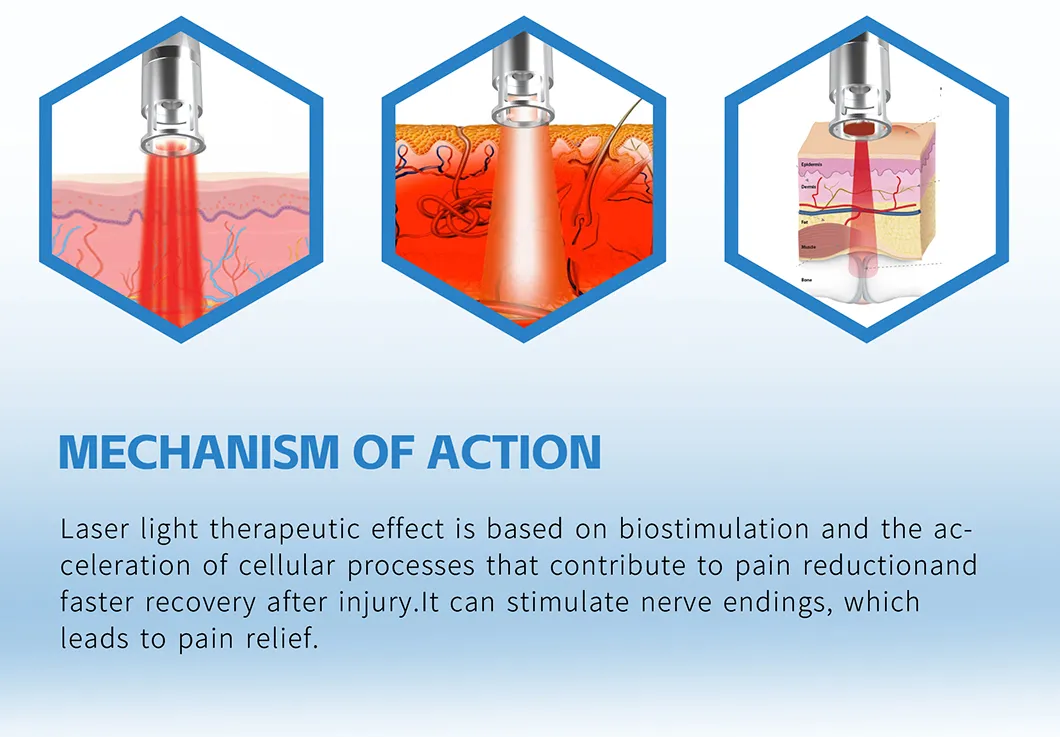
It uses light photons to penetrate the skin and interact with mitochondria via photobiomodulation (PBM). This increases cellular energy, oxygen supply, and collagen synthesis to accelerate repair.
What is the difference between 980nm and 1064nm wavelengths?
980nm is ideal for soft tissues like muscles and tendons and is highly effective for surface-level pain. 1064nm penetrates deeper, making it better suited for bone regeneration and deep musculoskeletal injuries.
Is the treatment painful?
No, high-power laser therapy is a non-invasive, generally painless procedure. Patients often feel a soothing warmth in the treated area.
How many sessions are typically required?
For acute conditions, 3-5 sessions per week for 2-3 weeks are common. Chronic conditions may require 2-3 sessions per week to sustain long-term benefits.
Can laser therapy help with post-surgical recovery?
Yes, it is highly effective in reducing swelling and pain after orthopedic procedures, promoting faster wound healing and joint mobility.
Who should avoid this treatment?
It is contraindicated for pregnant women (on pelvic areas), individuals with active cancer, those with pacemakers near the treatment site, and people with light-sensitive skin.
 Petovira Animal