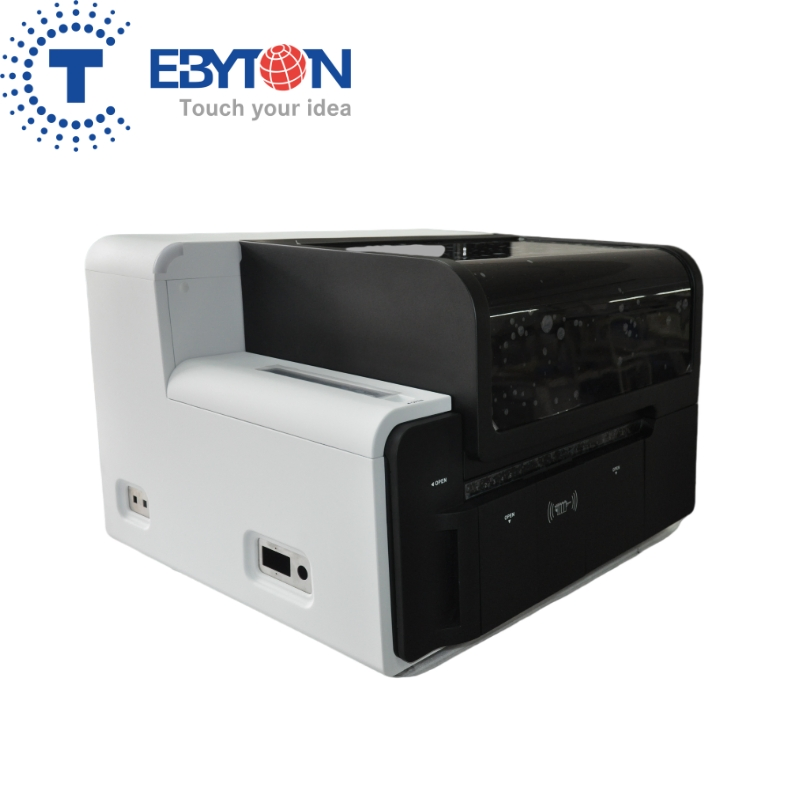
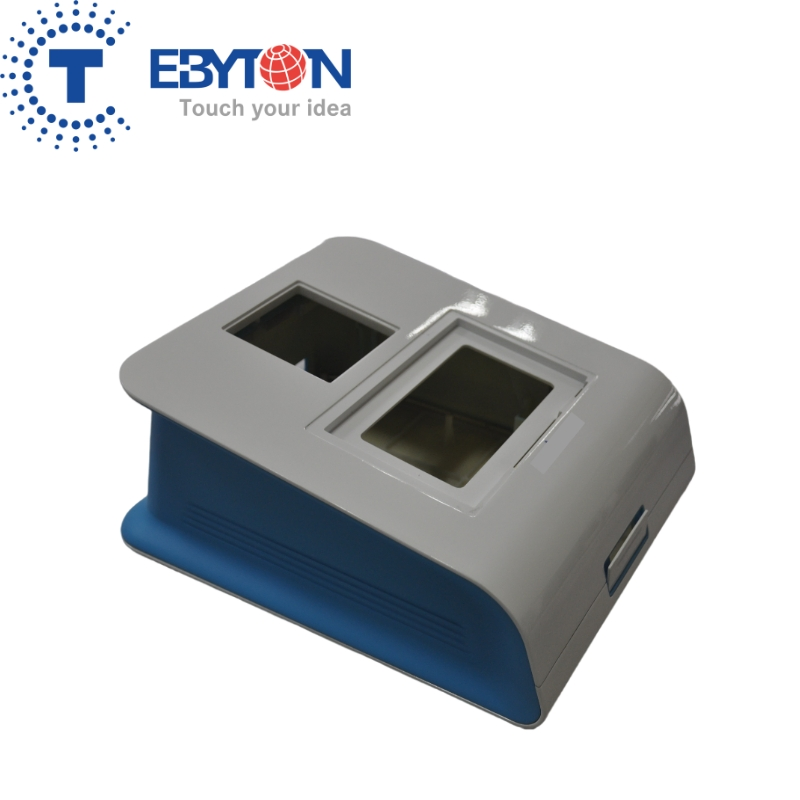
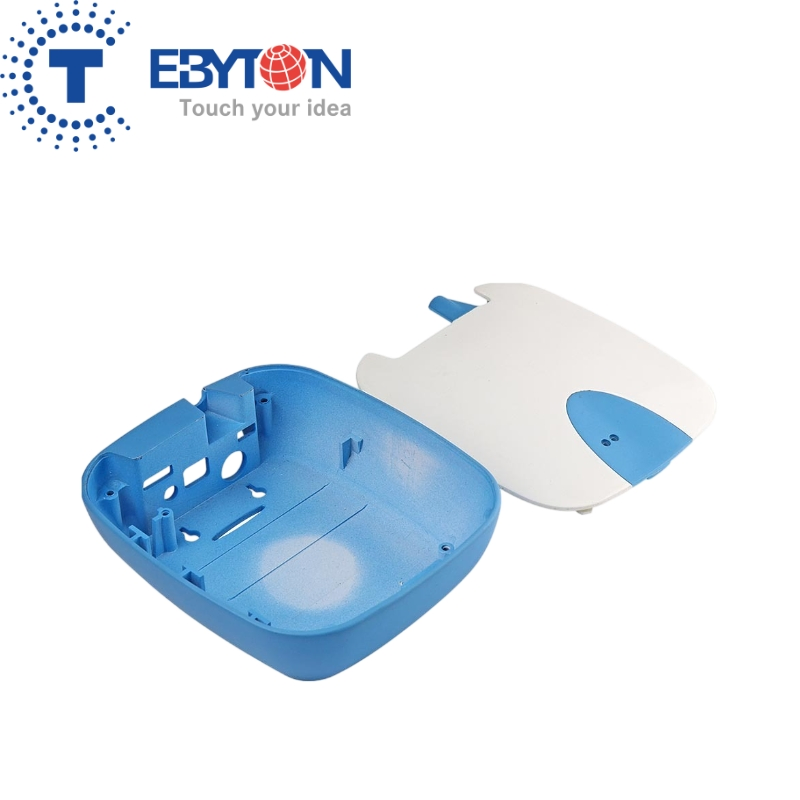
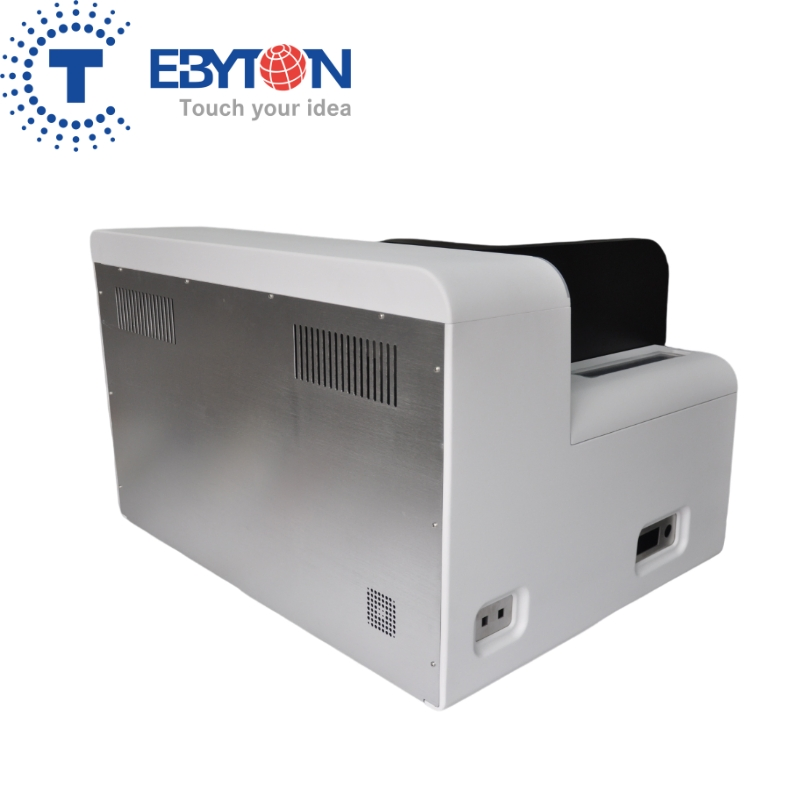
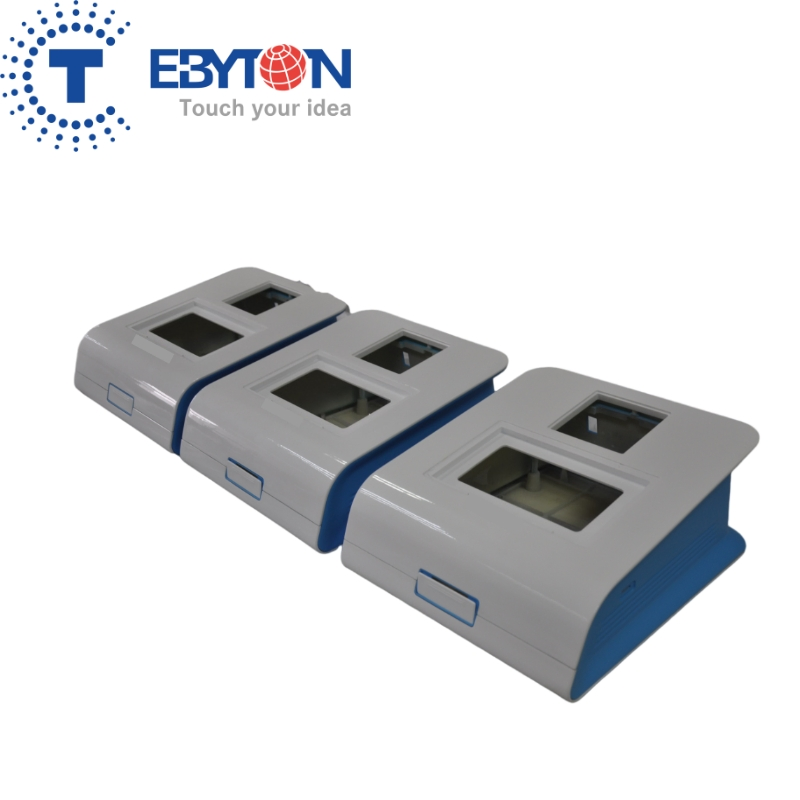
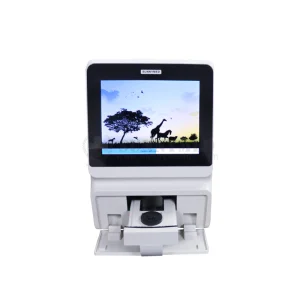
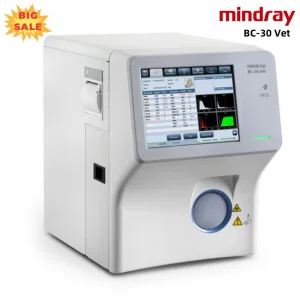
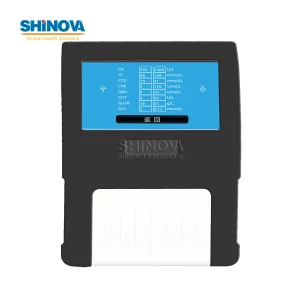
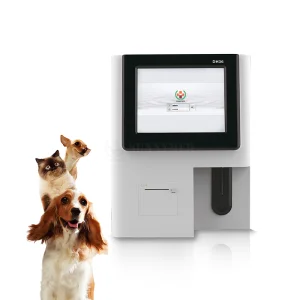
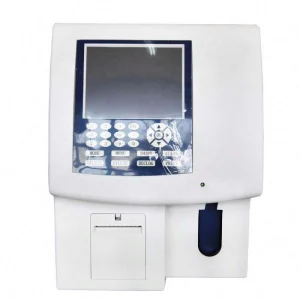
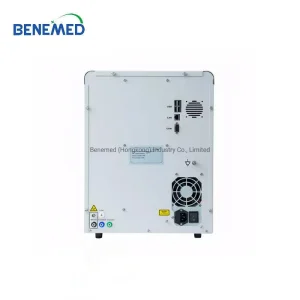
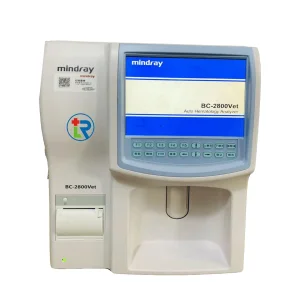
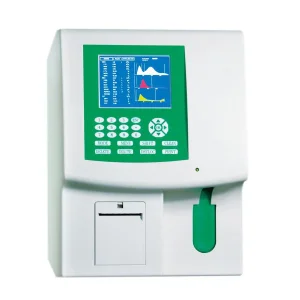
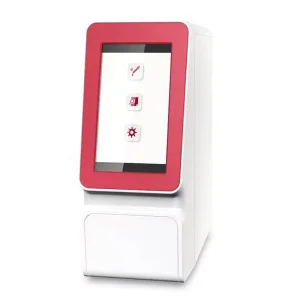
Manufacture Automated Medical Clinical Analyzers Veterinary Blood Reagent Biochemistry Analyzer Chemistry Enclosure

Customization: Available
Application: Fastener, Auto and Motorcycle Accessory, Hardware Tool, Machinery Accessory, Medical Device
Standard: GB, EN, China GB Code, JIS Code, TEMA, ASME

Product Description

Overview

Basic Info.
Model NO.
custom
Surface Treatment
Spray Paint
Production Type
Batch Production
Machining Method
CNC Machining
Material
Nylon, Steel, Plastic, Brass, Alloy, Copper, Aluminum, Iron
MOQ
1 Piece
Certificate
ISO 9001 & 13485
Service
Customized OEM Service
Quality
Guarantee
Specification
50*50*30
Production Capacity
1000 Pieces/Month
Packaging & Delivery
Package Size
50.00cm * 50.00cm * 30.00cm
Gross Weight
2.000kg
Transport Package
as Your Request

Product Description

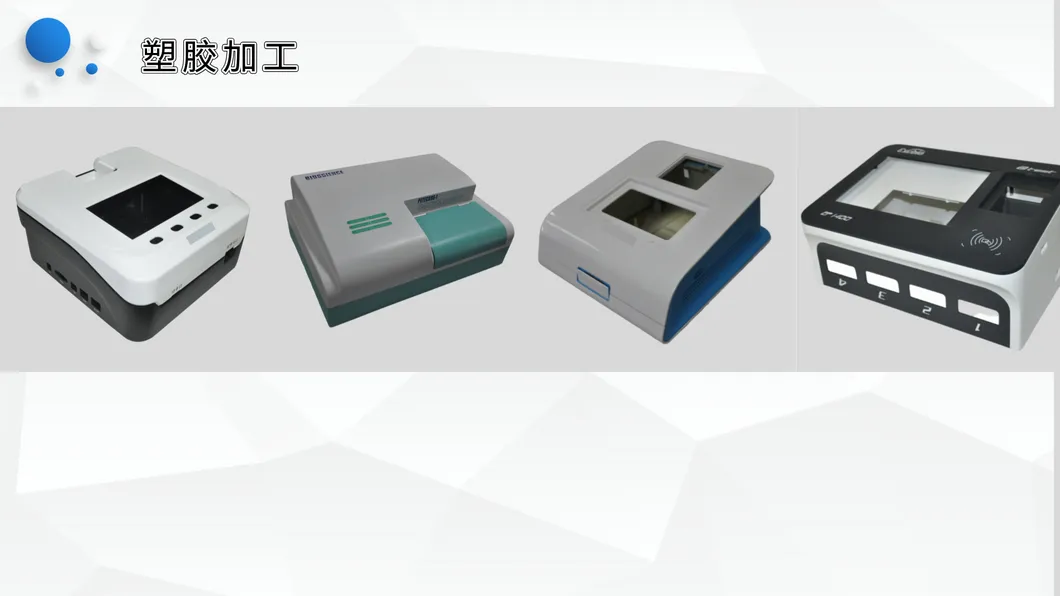
Automated Medical Clinical Analyzer Enclosure
Technical Parameters
Parameter Details
Material OptionsABS, PC, PMMA, POM, Nylon, PE, PEEK, etc.
Tolerance±0.1 mm (Standard), ±0.05 mm (High Precision)
Surface FinishAs-machined, Sanding (Ra 1.6-3.2 μm), Polishing, Chrome plating, Spray painting
Wall ThicknessMinimum 1 mm (Recommended ≥1.5 mm for stability)
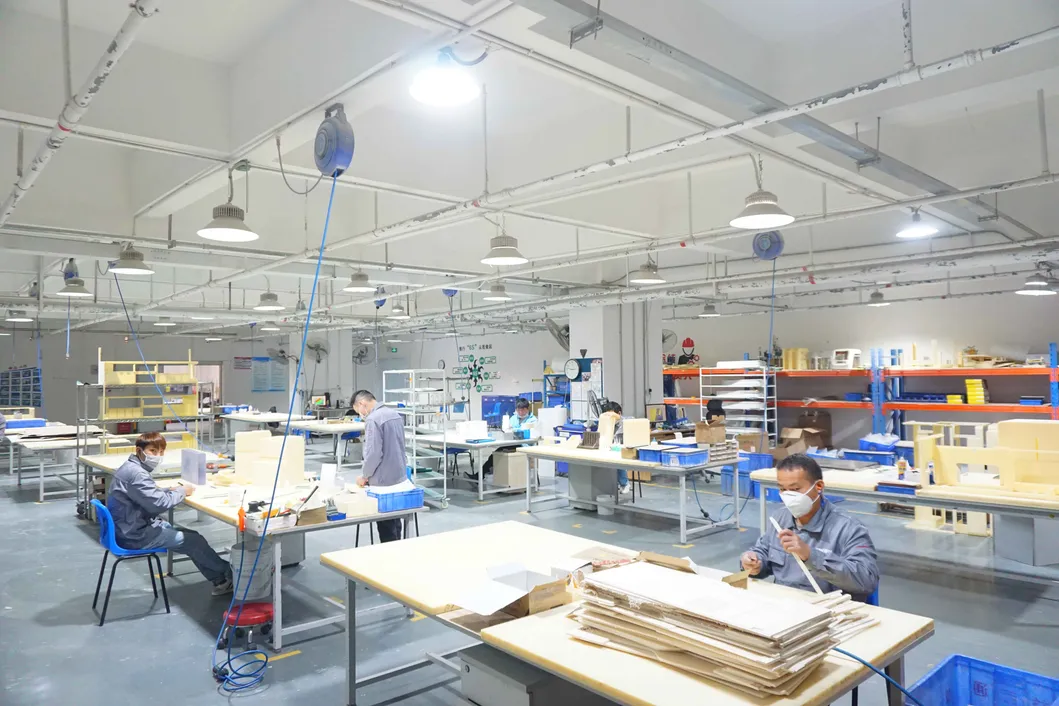
Machining Process3/4/5-Axis CNC Milling, CNC Turning
Lead Time7-10 Days (Standard prototype), Rush Service available
Post-ProcessingPainting, Laser Engraving, UV Coating, Assembly
CNC Process Diagram
CNC Machining vs 3D Printing
Factor CNC Machining 3D Printing
AccuracyHigher (±0.05 mm)Lower (±0.1-0.3 mm)
Material StrengthFully dense, isotropicLayer adhesion issues
Surface FinishSmoothest (polishable)Layered texture
Best ForHigh-precision, functional partsPrototypes, complex geometries
Frequently Asked Questions
1. What types of plastics can be CNC machined?
We machine a wide range of engineering plastics, including ABS (toughness), Polycarbonate (impact resistance), Acrylic (clarity), POM (low friction), Nylon (wear-resistant), and PEEK (high-temperature resistance).
2. What tolerances can be achieved with CNC plastic machining?
Our standard tolerance is ±0.1 mm (±0.004"). For high-precision requirements, we can achieve ±0.05 mm (±0.002") depending on the material and part geometry.
3. How thin can CNC-machined plastic walls be?
The minimum recommended wall thickness is 1.0 mm. For rigid plastics like PEEK or PC, we can achieve 0.5 mm with specialized machining techniques.
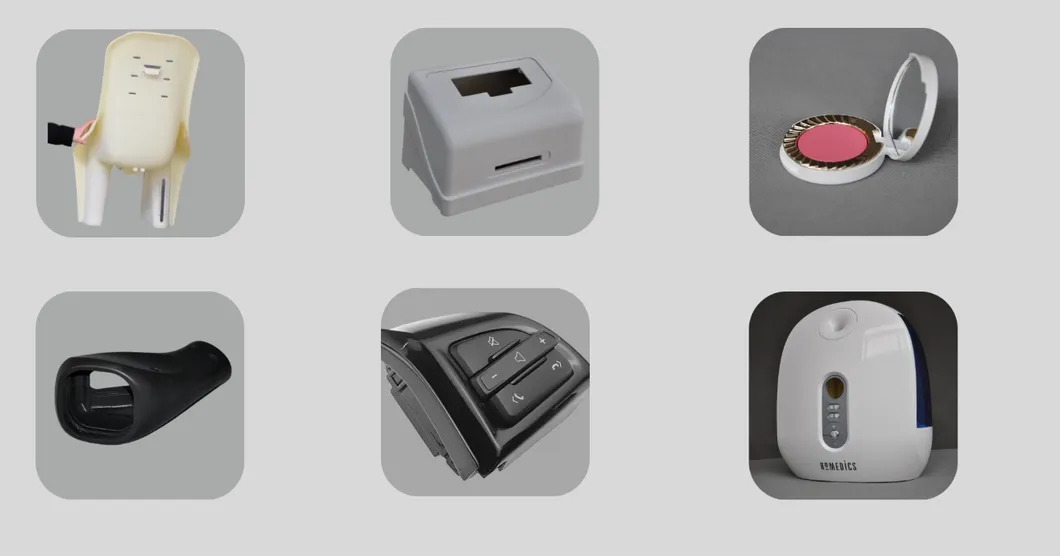
4. What surface finishes are available for medical enclosures?
We offer as-machined, sanded (Ra 1.6-3.2 μm), mirror polishing, bead blasting for matte textures, and custom painting or UV coating.
5. Does CNC machining cause warping in plastic parts?
Plastics are heat-sensitive. We use sharp tools, optimized speeds, and air cooling to minimize stress. Annealing heat treatment is also available for critical parts to relieve internal stresses.
6. What file formats are required for a quote?
We prefer STEP (.stp) or IGES (.igs) for 3D models, and PDF or DWG for 2D drawings indicating tolerances and thread requirements.

Related Products