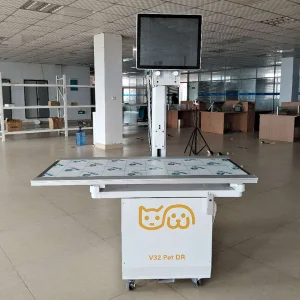
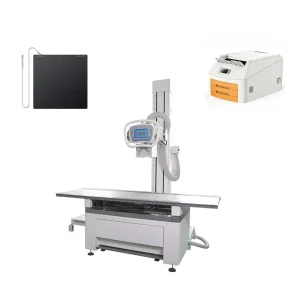
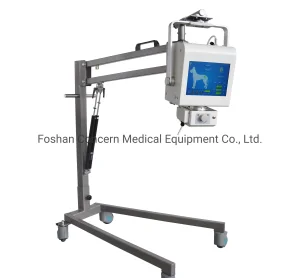
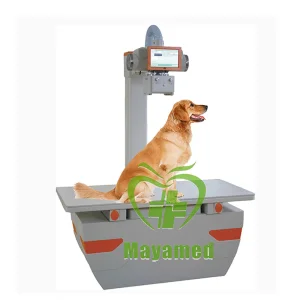
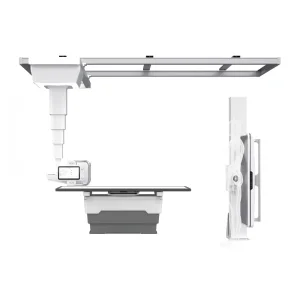
Optimized for high-humidity Caribbean environments, delivering fast diagnosis and superior clinical resolution.
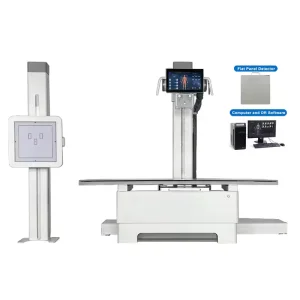
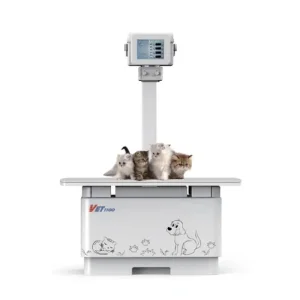
Uncovering the unique regional requirements of Saint George, Saint John, and the wider Caribbean veterinary infrastructure.
The Commonwealth of Dominica, known globally as the "Nature Island of the Caribbean," presents a distinct veterinary profile that bridges small animal companion medicine, livestock welfare (goats, sheep, cattle, and swine), and exotic wildlife conservation. From clinical practices clustered in Roseau and Portsmouth to rural farms nestled within Dominica’s mountainous interior, access to reliable, high-resolution diagnostic imaging is a fundamental requirement for modern animal care.
However, the local commercial landscape poses significant challenges for medical and veterinary electronics. The combination of high ambient humidity, airborne marine salt spray, and seasonal vulnerability to tropical weather means that standard imaging systems can suffer from premature components failure, oxidation of electrical paths, and instability in digital detectors. Consequently, Dominica's veterinary directors, hospital owners, and governmental departments are increasingly looking past standard consumer-grade imports, prioritizing tropicalized, ruggedized veterinary X-ray systems built by reliable global manufacturing facilities.
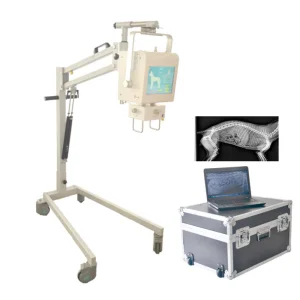
Furthermore, livestock health surveillance and wildlife conservation initiatives at national parks require field-deployable portable X-ray units. These units must feature hermetically sealed monoblock generators and high-capacity battery units that allow vet practitioners to diagnose skeletal and soft-tissue pathologies directly on-site, mitigating the stress of transporting large animals over rugged terrains.
From heavy-duty high-frequency stationary tables to dynamic field units engineered for the Dominica market.
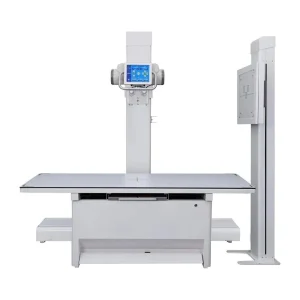
Understanding the science behind high-frequency generation, flat panel detectors, and AI diagnostic overlays.
In modern veterinary medicine, structural imaging technology has evolved rapidly from analog film and Computed Radiography (CR) systems to direct-to-digital (DR) acquisition. The physics of veterinary imaging demands unique specifications due to animal movement, variability in patient size, and safety limits for practitioners.
Older systems utilized low-frequency, heavy transformer designs that yielded long exposure times, leading to motion blur in uncooperative animals. Modern systems use high-frequency inverter technology (typically 40kHz to 100kHz). By transforming power to high frequencies, the ripple on the high-voltage waveform is reduced to less than 1%. This allows for highly consistent kVp levels, shorter exposure times (down to milliseconds), and a drastic reduction in soft-scatter radiation. For Dominica clinics, high-frequency translates directly into safer operations and razor-sharp thoracic/abdominal bone structures.
The choice of scintillator is critical for maximizing Detective Quantum Efficiency (DQE). Cesium Iodide (CsI) direct-vapor deposition on amorphous silicon photodiode arrays acts as microscopic light pipes. Unlike older Gadolinium Oxysulfide (GOS) screens, CsI channels light directly downward with minimal lateral spread, ensuring high spatial resolution at low X-ray exposure doses. This low-dose capability extends the life of the X-ray tube and protects clinical staff working in restricted-space clinics.
The integration of machine learning algorithms into PACS software is the next frontier. Automated positioning guides, automated heart-to-chest ratio (VHS) calculations, and instant detection of pleural effusion or orthopedic micro-fractures allow veterinary clinicians in remote areas of Dominica to render immediate, reliable diagnoses. Remote cloud-connected tele-radiology links then allow seamless transmission of raw DICOM files to international veterinary specialists for immediate consults.
Navigating Total Cost of Ownership (TCO), multi-country compliance, and standardized quality testing.
Procuring capital medical equipment for veterinary environments requires rigorous evaluation criteria beyond the initial purchase price. Large enterprise clients, municipal clinics, and veterinary distributors evaluate partners based on key supply chain indices:
Your trusted one-stop supplier for premium veterinary imaging, surgical suite, and ICU solutions.
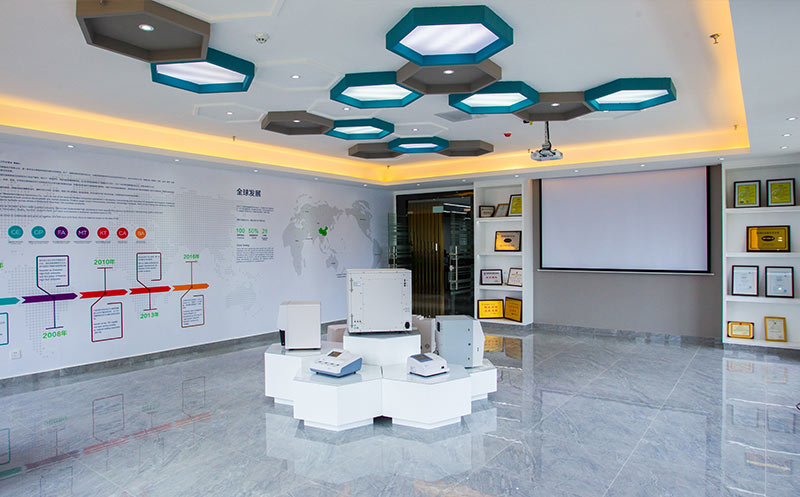
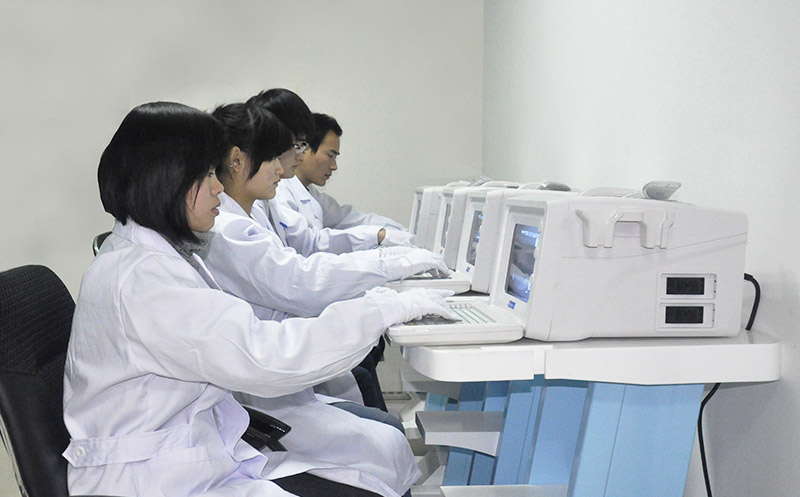
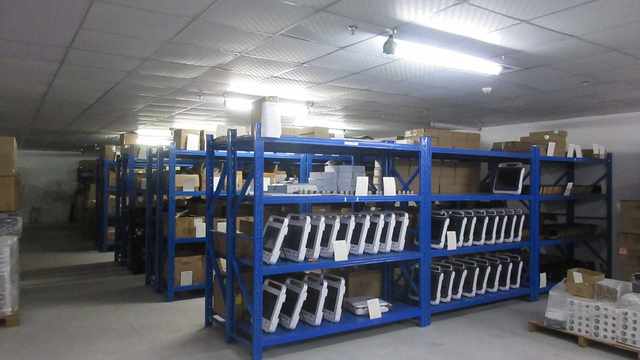
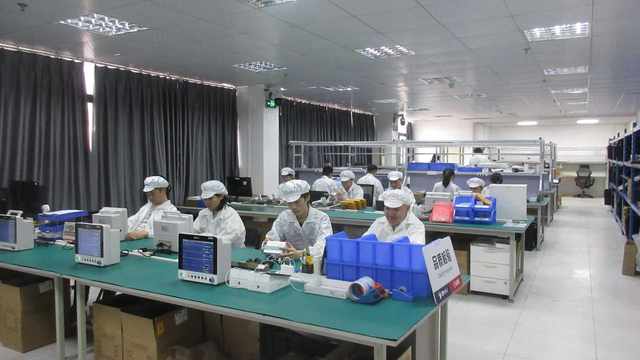
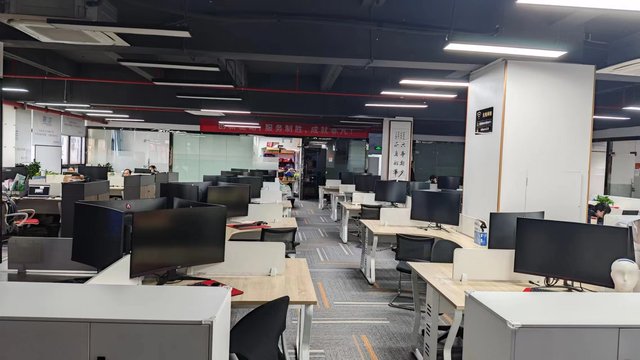
As a growing international company, our aim is always to better serve veterinary and research professionals in purchasing high-quality, cost-efficient veterinary medical equipment products. Chengdu Petovira Animal Co., Ltd. covers a wide range of business areas including medical imaging, laboratory equipment, operating room equipment, ICU equipment, and other animal medical devices, providing you with a pleasant one-stop shopping experience. A highly qualified sales team and professional engineering team ensure an easy and time-saving purchasing process.
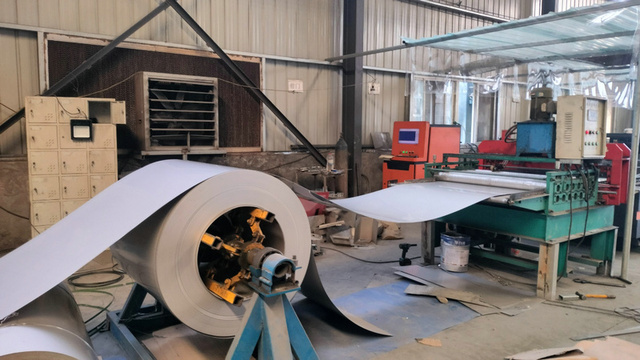
Sourcing & Customization: Strict selection of qualified factories and full support for OEM/ODM services (such as logo printing and function adjustments tailored to your market, including localized power adaptors and rugged shipping cases for the Caribbean).
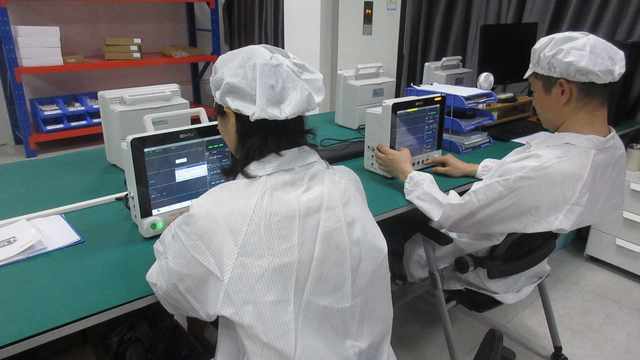
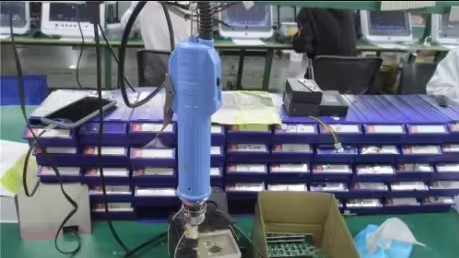
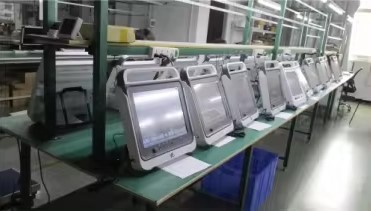
Quality Control: Three rounds of inspection (raw material check → production sampling → pre-shipment full inspection), with detailed reports and video validations provided to the customer before departure.
Logistics & Customs: Cooperation with top freight forwarders to offer reliable shipping to Dominica (including door-to-door delivery or Port of Roseau delivery) with complete customs documentation (commercial invoice, packing list, certificate of origin, CE/ISO certificates).
Payment & Finance: Flexible payment terms (L/C, T/T, Western Union) with trade insurance support to reduce your trade risk.
After-Sales Support: 24/7 online technical service, remote software diagnostic support, and local spare parts storage for fast response and replacement delivery.
Expert answers to questions about importing, regulatory compliance, and operating veterinary X-ray equipment in Dominica.
Veterinary and medical imaging machinery imported into Dominica is typically subject to standard customs duties and VAT unless an exemption is obtained via the Ministry of Agriculture, Fisheries, and Blue and Green Economy or under special developmental concessions. Chengdu Petovira provides all required documentation, including commercial invoices, packed lists with system serial numbers, and CE/ISO declarations, to facilitate smooth clearance at the Port of Roseau or Douglas-Charles Airport.
Our factory utilizes military-grade PCB varnish coatings on critical generator control boards to prevent condensation short-circuiting. Scintillator casings and flat-panel detectors (FPDs) are IP-rated (up to IP54 ingress protection) to seal out ambient moisture and dust. Additionally, our portable diagnostic machines include rugged, airtight transit containers with integrated desiccant compartments.
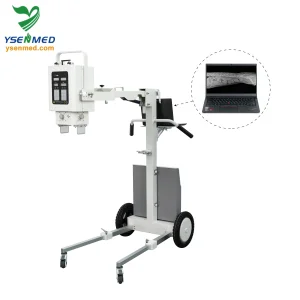
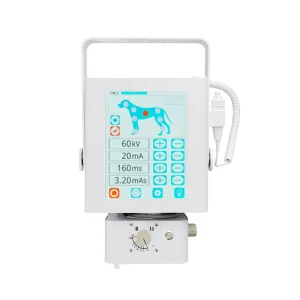
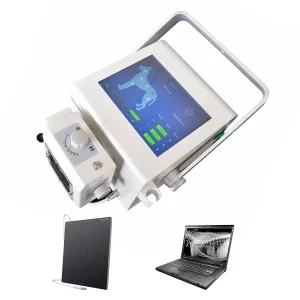
Yes. Our portable systems, such as the Ysx056-Pd, are specifically designed for low input power draw. The high-frequency capacitor discharge technology allows the system to store power and discharge it in bursts, meaning they can run off standard portable generators, field vehicle power outlets, or high-capacity lithium battery packs, making them ideal for field diagnostics in Dominica's rural sectors.
Every system is pre-configured and pre-calibrated in our factory based on your local requirements. Upon arrival, we provide step-by-step interactive setup guides and high-definition video walkthroughs. For digital workstations, our software engineers provide remote calibration and software updates via secure remote connection tools (such as TeamViewer), verifying DICOM integration, PACS connectivity, and anatomical exposure presets.
Browse our complete range of certified veterinary radiography equipment, available for immediate export to Dominica.
 Petovira Animal