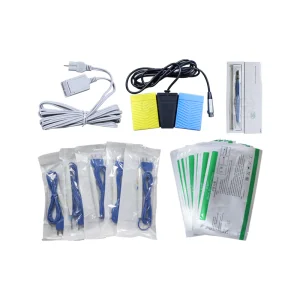
High-capacity bio-hazard waste management & autoclave systems optimized for Samara veterinary hospitals, agro-industrial complexes, and livestock disease prevention centers.
The Samara Region (Samara Oblast), situated in the heart of the Volga Federal District, represents one of Eurasia's most vital agricultural and industrial hubs. As intensive livestock farming, poultry production, and companion animal healthcare expand rapidly across cities like Samara, Tolyatti, and Syzran, the demand for medical-grade veterinary sterilization equipment and bio-hazardous waste processing technology has reached an unprecedented high. Modern veterinary establishments, ranging from multi-specialty pet diagnostic centers to massive swine and cattle agro-complexes, face rigorous regulatory standards imposed by federal sanitary inspection bodies (Rosselkhoznadzor) and local environmental protection authorities.
Ensuring complete pathogen eradication—specifically targeting resilient spore-forming bacteria such as Bacillus anthracis, Clostridium perfringens, viral pathogens (including African Swine Fever and Avian Influenza), and multi-drug resistant hospital microbes—requires transitioning from primitive chemical disinfection to advanced thermal steam, microwave, and gaseous ethylene oxide (EO) sterilization methodologies. Sourcing equipment directly from accredited factories and global exporters equipped with ISO 13485 certification, CE markings, and EAC compliance offers Samara buyers both technical superiority and supply chain resilience.
Furthermore, Samara’s geographical positioning as a logistics crossroad along the Volga River and Trans-Siberian transport corridors makes it a prime market for centralized veterinary waste treatment units and rapid-turnaround diagnostic sterilization setups. B2B procurement officers and veterinary hospital owners in Samara prioritize equipment that guarantees minimal total cost of ownership (TCO), high thermal efficiency, low energy consumption, and long-term availability of original replacement components.
Achieving absolute sterility in veterinary clinical settings and bio-waste processing plants requires matching specific biological hazards with their optimal physical sterilization technology. The modern veterinary hardware portfolio spans several core technologies:
Steam autoclaving remains the gold standard for non-heat-sensitive surgical tools, orthopedic drills, and general veterinary instruments. Class B autoclaves utilize a triple-fractionated vacuum pulse to extract air pockets from hollow instruments (such as endoscopes and cannulated drills) before injecting saturated steam at 121°C to 134°C. Vertical pressure sterilizers provide heavy-duty volumetric throughput for culture media, laboratory glassware, and bulk surgical packs.
Designed specifically for contaminated bedding, organic waste, and sharps, microwave sterilization combines internal electromagnetic volumetric heating (2450 MHz) with low-pressure steam injection. This destroys pathogen cell walls from within, achieving a 6-log reduction of biological hazardous waste while drastically reducing final waste volume for eco-friendly disposal in Samara municipal landfills.
Ethylene Oxide (EO) and Hydrogen Peroxide Gas Plasma systems are critical for delicate laparoscopic tools, optic fibers, electronic sensors, and synthetic implants that succumb to thermal degradation above 60°C. Custom EO cabinets deliver deep gas penetration without damaging sensitive polymer materials or optics.
Continuous plasma air purifiers destroy airborne viruses, fungal spores, and VOC odors in pet ICUs, surgical suites, and animal holding wards. By generating high-density hydroxyl radicals, these systems protect veterinary personnel and recovering animals from cross-contamination.
Integrating surgical generators, mobile digital imaging, and localized warming therapy with sterile environment protocols.
Deploying veterinary sterilization machinery in Samara requires accounting for distinct operational environments, ambient winter temperature fluctuations, electrical grid standards (220V/380V 50Hz), and specific biological waste protocols:
As a growing international company, our aim is always to better serve veterinary and research professionals in purchasing high-quality, cost-efficient veterinary medical equipment products.
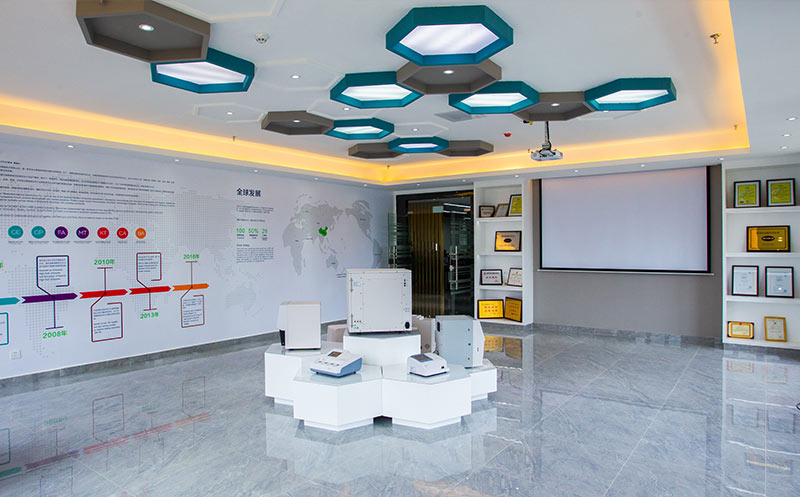
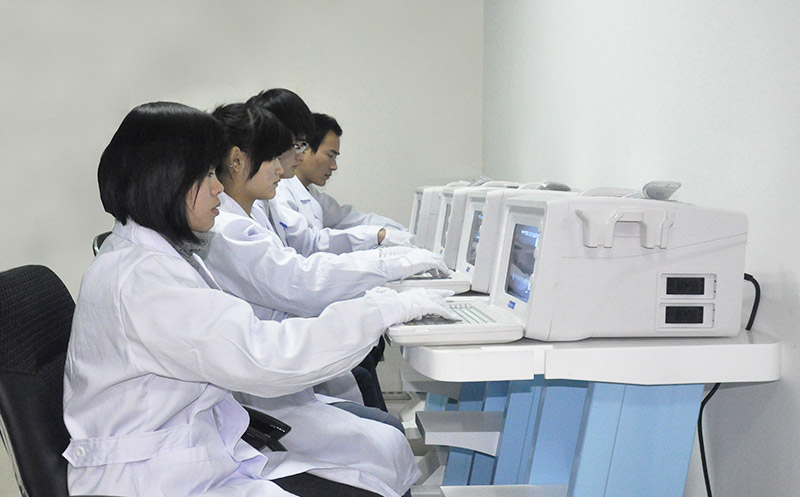
Chengdu Petovira Animal Co., Ltd. covers a wide range of business areas including medical imaging, laboratory equipment, operating room equipment, ICU equipment, and other animal medical devices, providing you with a pleasant one-stop shopping experience. A highly qualified sales team and professional engineering team ensure an easy and time-saving purchasing process.
Strict selection of qualified factories and full support for OEM/ODM services (such as Russian language interface customization, logo printing, and functional voltage adjustments tailored to the Samara market).
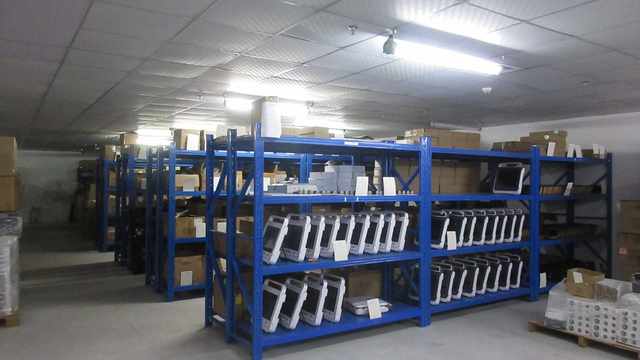
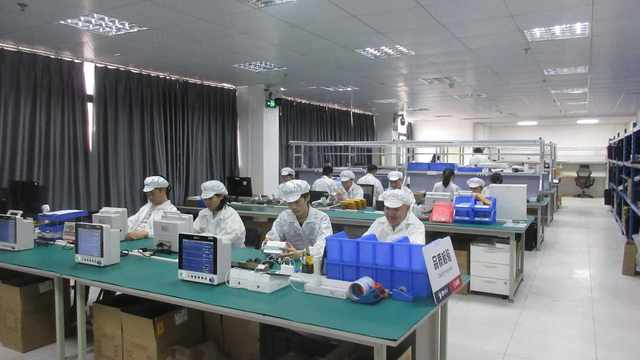
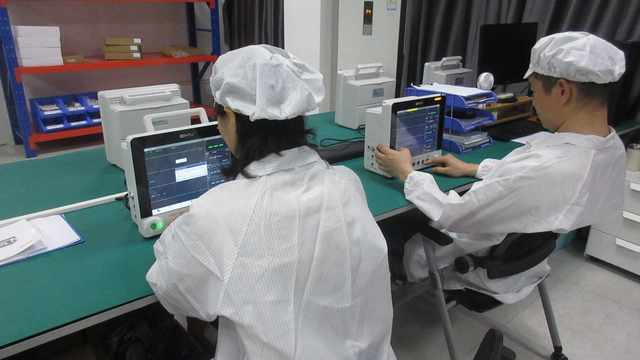
Three rigorous rounds of inspection (raw material verification → in-production sampling → pre-shipment 100% full functional calibration), accompanied by detailed factory testing reports before container sealing.
Cooperation with top international freight forwarders offering door-to-door delivery to Samara, with full preparation of customs documentation (commercial invoices, detailed packing lists, certificates of origin, EAC declarations).
Flexible payment options including L/C, T/T, and Western Union, reinforced by international trade insurance to eliminate financial exposure for Samara importers.
24/7 technical online support and strategic spare parts warehousing ensuring rapid dispatch of heating elements, seal gaskets, valves, and control boards to minimize clinical downtime.
Chengdu Petovira Animal Co., Ltd. places great emphasis on product quality, implementing a strict quality control system to ensure every product meets international standards. With a fully integrated one-stop service covering R&D, production, sales, and after-sales support, we deliver efficient, cost-effective, and customized solutions to grow together with our Samara partners.
The global veterinary sterilizer market is undergoing rapid technological evolution driven by digital transformation, energy conservation goals, and IoT connectivity. Future-proof autoclaves and bio-waste processing units destined for the Samara market incorporate key technological developments:
Next-generation Class B autoclaves feature Ethernet and Wi-Fi modules that upload cycle parameters (temperature, pressure, hold time) automatically to cloud dashboards. Veterinary clinic managers in Samara can monitor biological sterilization logs remotely and maintain tamper-proof compliance records.
Equipped with closed-loop water recirculation and heat exchangers, modern steam sterilizers reduce distilled water consumption by up to 75% and electric power usage by 30%, lowering operating overhead for rural Samara veterinary practices.
Self-diagnostic microprocessors analyze pressure transductance trends and heater coil resistance. By identifying potential scale buildup or door gasket wear before failure occurs, downtime is completely eliminated.
Importing and operating medical and veterinary sterilization equipment within the Eurasian Customs Union (EAEU), including the Samara region, requires strict adherence to technical regulations:
To ensure uninterrupted operation in Samara’s seasonal climate, facilities should establish strict maintenance regimes:
Explore our full range of certified autoclaves, incubators, warming devices, ECG units, and gas sterilizers available for fast shipping to Samara.
Clear answers to regulatory, technical, logistics, and operational queries for veterinary equipment imports into Samara Oblast.
Importing into Samara requires EAC Certificates/Declarations (TR CU 004/2011, TR CU 020/2011, and TR CU 032/2013 for pressure vessels), Commercial Invoice, Detailed Packing List, Certificate of Origin (Form A or Non-Preferential), and user manuals translated into Russian. Chengdu Petovira prepares all export documentation to ensure seamless clearance at Russian customs post locations.
Class N sterilizers rely on gravity displacement for solid unwrapped instruments. Class S units handle specific load types declared by the manufacturer. Class B autoclaves utilize pre-vacuum air removal and post-vacuum drying, making them the only standard suitable for hollow instruments (cannulas, endoscopes, porous surgical textiles) widely used in advanced Samara companion animal surgical centers.
Microwave bio-waste equipment provides an eco-friendly alternative to incineration. It operates on-site without toxic gas emissions or smoke permits, uses standard electrical power, and converts bio-hazardous bedding and sharps into decontaminated municipal solid waste, reducing volume by up to 80% while drastically lowering transport disposal costs.
Yes. Chengdu Petovira provides OEM/ODM customization services. Autoclaves and diagnostic equipment display screens, touch panels, micro-printer output receipts, and printed user manuals can be fully configured in Russian for your Samara technical staff.
Direct rail freight via the China-Europe / Russia Express route typically arrives in Samara within 14 to 20 days post-dispatch. Combined multimodal sea-rail freight options through western ports take approximately 25 to 35 days. Express air freight is available for critical spare parts and urgent diagnostic units.
Partner with Chengdu Petovira Animal Co., Ltd. for factory-direct prices, full EAC compliance support, and comprehensive one-stop procurement solutions.
Send Inquiry Now Petovira Animal